 한국어
 English
 Español
 Français
 Português
 Deutsch
 Italiano
 Русский
 العربية
 简体中文
 香港中文
 日本語
 Türkçe
 Nederlands
 Bahasa Indonesia
Turn Composite Decking Ideas Into a Defined Project
Good composite decking ideas with steps begin with the site, not a product catalogue. For overseas buyers, record the deck’s intended use, dimensions, expected foot traffic, exposure to sun and rain, and the condition of the supporting structure. A pool surround may need a grippy surface and careful drainage; a balcony project may be constrained by load limits, access and local fire regulations. These details help a supplier recommend a suitable board profile and installation system rather than simply quote the lowest price per square metre.
Prepare a brief that states the target market, project quantity, preferred colour, board length, surface finish and delivery destination. Include drawings or photographs where possible. Confirm whether the quoted area includes edge boards, stair treads, clips and fasteners. Clear quantities and scope make factory quotations comparable and reduce the risk of discovering that essential accessories were excluded after the order has been placed.
Check the WPC Supplier and Factory
A dependable WPC supplier should explain its production capability in specific terms. Ask whether it manufactures the boards itself or sources them from another factory, how many extrusion lines are available, and which stages of production are inspected. A video call or independent factory audit can help verify machinery, raw material storage, production records and finished-goods handling. Check that the business name on the quotation, contract, bank details and export documents is consistent, and request references from buyers in markets with comparable climate and building requirements.

Evaluate quality systems as part of the same review. Ask for written inspection criteria covering dimensions, colour variation, surface defects, packaging and batch identification. Certificates and test reports should match the exact product and issuing body; a document for a different board profile or an outdated formulation is not sufficient evidence. For projects subject to building codes, have the relevant test results reviewed by your local technical team. A capable export partner will clarify what its documentation proves and what still needs local approval.
Confirm Board Specifications Before Ordering
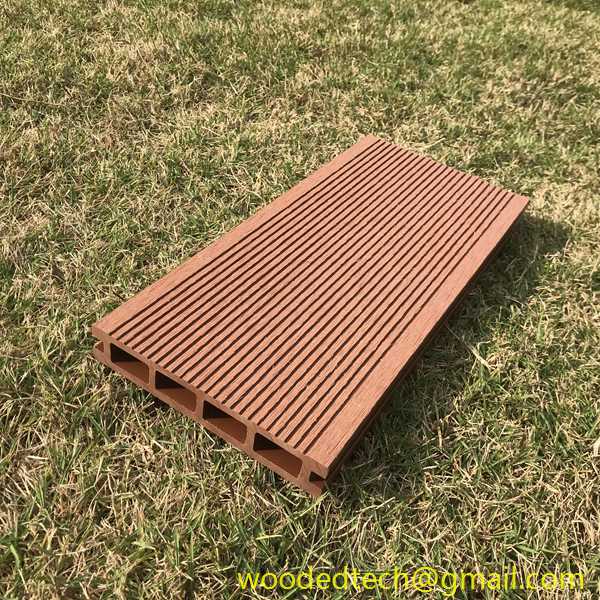
WPC boards differ in composition and construction, so confirm measurable specifications rather than relying on labels such as premium or heavy duty. The purchase specification should identify board width, thickness, length tolerance, weight per metre, profile, colour and surface treatment. State whether the product is solid or hollow and, for capped boards, describe the cap layer and coverage. Request current data for water absorption, slip performance, flexural properties and dimensional change where those factors matter to the application.
Approve production samples in writing and retain a signed reference sample if colour consistency is important. Check the board alongside the proposed clips, screws and joists, since compatibility affects both fit and finished appearance. Agree installation gaps, joist spacing, expansion allowances and any restrictions on board use. WPC expands and contracts with temperature, so installation guidance should account for the destination’s climate, board length and fixing method. Ask for instructions that match the ordered profile, not a generic document for another system.
Reduce Commercial and Shipping Risks
Before paying a deposit, make the contract precise about specification, quantity tolerance, production lead time, inspection rights, packaging, payment milestones and remedies for non-conforming goods. Define how claims will be assessed, what evidence is required and who pays for replacement or return freight. For private-label or OEM orders, approve artwork, colour references, carton markings and barcode details before production. Keep written records of every approved change; informal messages can leave room for disagreement when goods arrive.
Packaging deserves particular attention on long export routes. Ask for photographs of the proposed carton or bundle, corner protection, strapping and moisture protection, then confirm the number of boards per package and gross weight. Compare the packing list with the container plan and check that the loading method protects board edges from impact. Agree the Incoterm, named place and responsibility for export clearance, insurance and destination charges. A low factory price can become an expensive purchase if port costs, demurrage or repacking were not considered.

Plan Inspection, Installation and After-Sales Support
Arrange a pre-shipment inspection against the approved specification, with representative checks across production batches. Measure sample boards, inspect colour and surface finish, count accessories and photograph package labels before loading. For a large or repeat order, retain samples from the delivered batch and record lot numbers. This creates a practical reference if a later shipment differs or a site team reports an installation problem.
Reliable suppliers stay engaged after dispatch. Confirm who will answer technical queries across time zones and whether the supplier can provide installation advice, replacement-part identification and claim documentation. For distributors, agree a process for reporting defects with photographs, measurements and batch codes. These practical composite decking ideas with steps help buyers move from design intent to a controlled procurement decision, with clear expectations from the first factory discussion through delivery and installation.