 English
  Español
  Français
  Português
  Deutsch
  Italiano
  Русский
  العربية
  简体中文
简体中文  香港中文
香港中文  한국어
한국어  日本語
日本語  Türkçe
  Nederlands
  Bahasa Indonesia
 Designing High-Performance Composite Decking 2.5m
Creating superior composite decking 2.5m involves a careful balance between wood fibre content, plastic ratio, additives, and cost control. The ratio of wood to plastic is vital; it directly influences not only the strength and durability of the decking but also its aesthetic appeal and market cost. Typically, higher wood fibre content enhances the natural look and feel of the product. However, it is essential to avoid exceeding certain limits as too much wood can lead to issues such as moisture absorption and reduced lifespan. A blend of 60% wood to 40% plastic tends to offer an optimal balance, presenting an appealing texture while maintaining durability.
Equally critical are the additives incorporated into the composite mix. These can improve performance significantly; for instance, anti-UV agents can prevent fading while mould inhibitors can protect against biological growth. Selecting high-quality additives ensures that the composite material retains its integrity over time, making it a cost-effective solution for residential projects. Therefore, it becomes essential to evaluate both the functional and economic benefits throughout the formulation process.
Enhancing Lifespan Through Material Selection
The longevity of composite decking 2.5m is influenced by the types of plastics used in the formulation. High-density polyethylene (HDPE) and polypropylene are popular choices due to their resistance to environmental factors. When selecting materials, engineers must consider thermal expansion and contraction, as these factors can impact the structural integrity of the decking over time. A well-designed formula should accommodate these physical changes without compromising the stability of the boards.
In addition to the choice of plastics, the incorporation of recycled materials can enhance sustainability, appealing to environmentally conscious consumers. Using recycled plastics not only reduces waste but can also lower production costs, further bridging the gap between environmental responsibility and economic viability. This approach aligns well with trends in sustainable building materials and encourages a shift towards greener choices in residential construction.
Cost Control Without Sacrificing Quality
Cost control is a fundamental aspect of developing composite decking. While the materials used will significantly affect the price, effective sourcing strategies and production efficiencies are equally essential. By collaborating with suppliers who can provide high-quality materials at competitive prices, engineers can optimise their formulations. Furthermore, advancements in production technology, such as extrusion methods, can reduce waste and enhance output rates, driving down overall costs while maintaining product quality.
Monitoring production processes closely ensures adherence to specifications and quality standards. This attention to detail will prevent defects that could lead to higher warranty claims and customer dissatisfaction, ultimately impacting profitability. Establishing a strong quality control framework within manufacturing processes will further enhance the overall perception of the product in the marketplace.
Balancing Aesthetics and Functionality
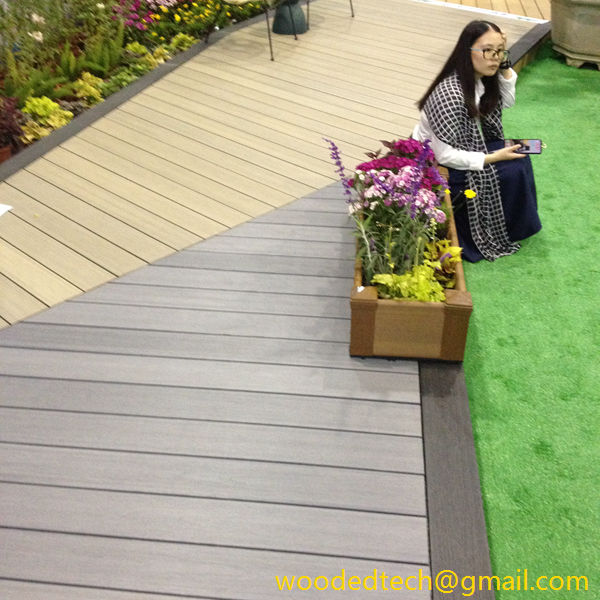
A successful outdoor product must be as visually appealing as it is functional. Composite decking 2.5m can be designed to mimic the look of natural wood without the associated maintenance challenges. By leveraging colour matching technologies and surface texture design, manufacturers can create products that resonate with consumer preferences while offering the durability of composite materials. Various finishes can enhance slip resistance and improve safety, making the decking suitable for diverse applications.
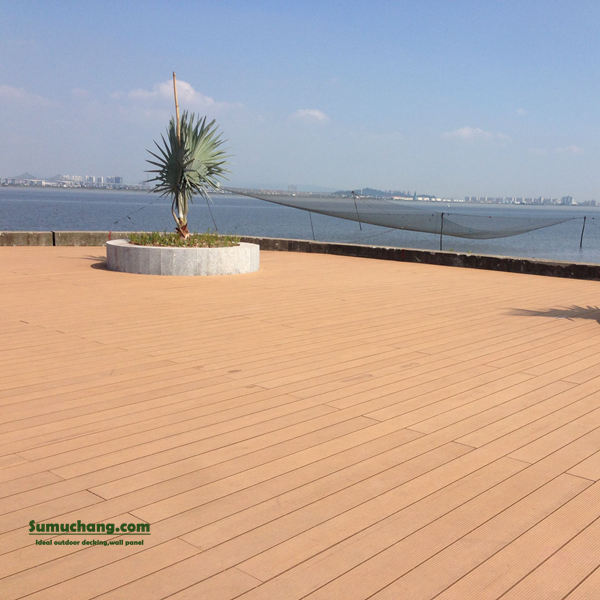
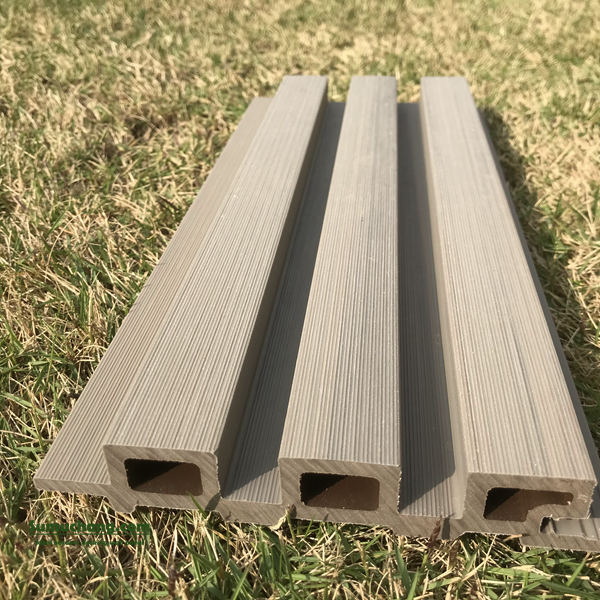
Incorporating unique design elements such as grooves and patterns can also elevate the product’s standing in the market. Designers need to collaborate closely with formulation engineers to ensure that aesthetic choices do not compromise structural integrity. Achieving this balance is crucial, as it directly influences consumer satisfaction and the long-term success of the product.
Future Directions in Composite Decking
The future of composite decking 2.5m looks promising as technological innovations continue to emerge. Enhanced production techniques and the development of new polymers will open doors to even better performance characteristics. Continuous research into biocomposites, which incorporate natural fibres and bio-based plastics, offers a glimpse into the next generation of sustainable decking solutions. These innovations can lead to products that are even more environmentally friendly without sacrificing performance or aesthetics.
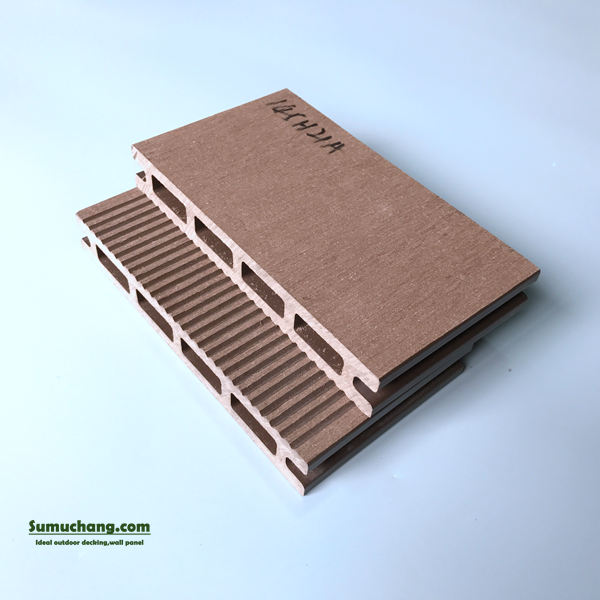
The growing demand for eco-friendly materials will likely drive manufacturers to adopt these advanced formulations, further reshaping the landscape of outdoor living products. As the industry evolves, the focus will undoubtedly remain on achieving the ideal blend of quality, functionality, sustainability, and cost-effectiveness in composite decking solutions.