 English
  Español
  Français
  Português
  Deutsch
  Italiano
  Русский
  العربية
  简体中文
简体中文  香港中文
香港中文  한국어
한국어  日本語
日本語  Türkçe
  Nederlands
  Bahasa Indonesia
 Advantages of White Decking Composite
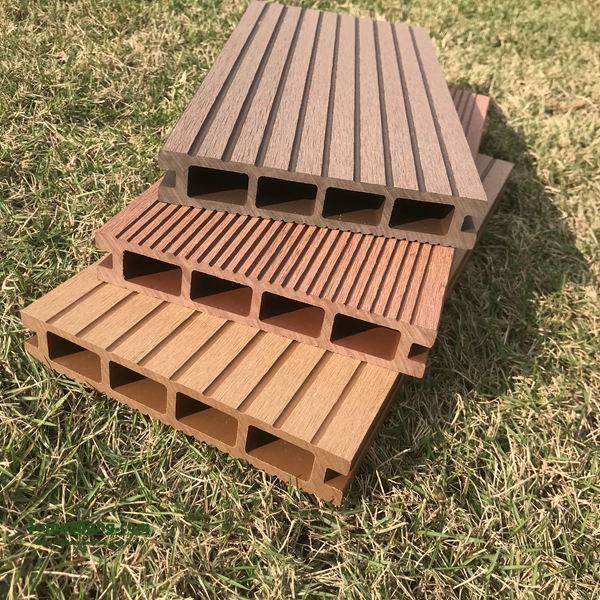
White decking composite has become increasingly popular among homeowners and architects looking to enhance modern outdoor spaces. This material is engineered from a combination of wood fibres and recycled plastic, resulting in a product that mimics the appearance of traditional timber while offering superior performance. One of the significant advantages of white decking composite is its durability. Unlike natural wood, which is susceptible to rot, splintering, and insect damage, white decking composite is designed to withstand harsh environmental conditions. This durability translates to a longer lifespan, which is often a critical factor for both residential and commercial projects.
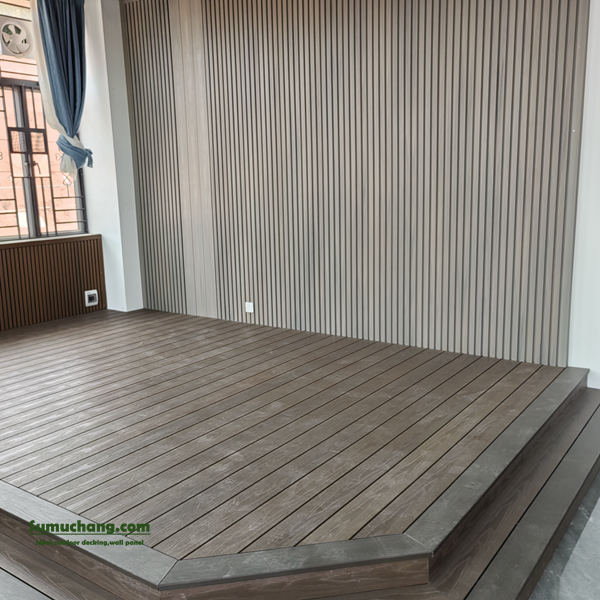
The aesthetic appeal of white decking composite cannot be overlooked. Its clean, contemporary look complements various architectural styles, making it an excellent choice for modern spaces. The uniform colour and texture of the composite mean that it maintains its pristine appearance for many years, requiring less frequent replacement. Moreover, the colour does not fade as dramatically as some natural woods, ensuring that the decking remains visually appealing over time.
Comparative Analysis with Natural Wood and Traditional Timber
Natural wood has long been a favourite choice for outdoor decking due to its classic beauty and rich textures. However, it comes with several drawbacks, including high maintenance requirements. Regular sealing, staining, and cleaning are necessary to prevent deterioration. In contrast, white decking composite requires minimal maintenance. A simple wash with soap and water usually suffices, allowing homeowners to enjoy their outdoor spaces without the ongoing costs and efforts associated with wood care.
Moreover, while traditional timber can warp or crack due to moisture and temperature changes, white decking composite is engineered to resist these issues. This stability makes it particularly appealing for outdoor environments where fluctuating weather can be a concern. Additionally, the eco-friendliness of white decking composite, made from recycled materials, presents a compelling argument for environmentally conscious consumers.
Alternatives: Aluminium and Other Materials
Aluminium decking is another alternative to white decking composite, known for its strength and resistance to rust. However, aluminium can become excessively hot under direct sunlight, making it less comfortable for bare feet in warm climates. White decking composite, on the other hand, remains relatively cool and comfortable, enhancing its practicality for outdoor living areas.

Maintenance Requirements and Lifecycle Costs
Maintenance costs play a vital role in the overall lifecycle cost of any decking material. As previously mentioned, white decking composite requires minimal upkeep compared to natural wood, which necessitates annual treatments and repairs that can accumulate over time. This lower maintenance requirement not only saves homeowners time but also significantly reduces costs over the lifespan of the decking.
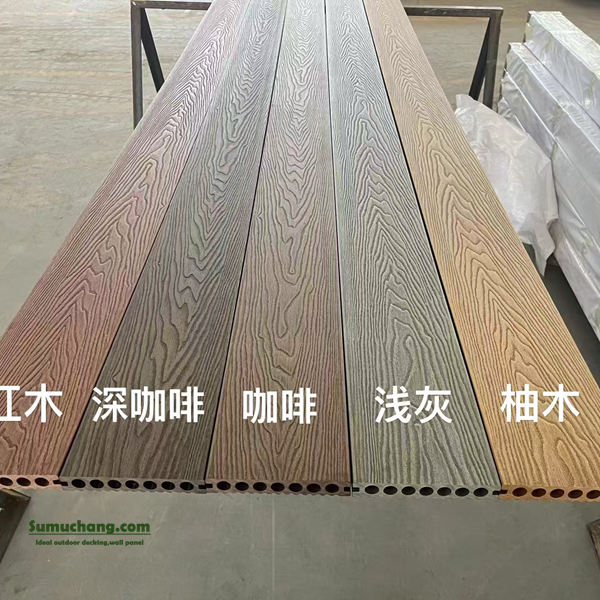
When considering the lifecycle costs, it is essential to factor in the longevity of materials. White decking composite typically lasts 25 to 30 years, depending on the brand and conditions, while wood may need replacement significantly sooner if not properly maintained. This longevity, combined with lower ongoing maintenance costs, positions white decking composite as a financially sound investment for any new project.
Final Considerations for Choosing White Decking Composite
Choosing the right material for outdoor decking involves evaluating aesthetics, durability, maintenance, and long-term costs. White decking composite stands out as a versatile option that meets the needs of modern homeowners and architects alike. Its refined appearance, coupled with resistance to common issues faced by timber, makes it an appealing choice for contemporary outdoor spaces.
Moreover, as sustainability becomes increasingly important in construction, the use of recycled materials in white decking composite further enhances its appeal. This not only supports eco-friendly initiatives but also aligns with the growing consumer demand for sustainable building practices. With all these factors in play, white decking composite emerges as a frontrunner in the selection of materials for modern outdoor environments.