 English
  Español
  Français
  Português
  Deutsch
  Italiano
  Русский
  العربية
  简体中文
简体中文  香港中文
香港中文  한국어
한국어  日本語
日本語  Türkçe
  Nederlands
  Bahasa Indonesia
 Defining WPC Cladding
WPC cladding, which stands for Wood Plastic Composite cladding, is a modern building material that combines wood fibres and recycled plastic to create a durable and versatile exterior finish. This innovative material has gained immense popularity in recent years due to its aesthetic appeal and practical benefits. One of the primary advantages of WPC cladding is its resistance to the elements, including moisture, UV rays, and insects, making it an ideal choice for outdoor applications.
As an outdoor WPC product designer, the focus on WPC cladding goes beyond mere functionality. The blend of wood and plastic not only offers longevity but also mimics the natural look of wood, which is highly sought after in contemporary design trends. A variety of finishes, colours, and textures allow for creative freedom, enabling designers to craft unique outdoor environments that reflect personal style and enhance property value.
Modern Trends in WPC Cladding Design
Current trends in WPC cladding emphasise the importance of blending aesthetics with sustainability. Designers are increasingly opting for earthy tones and subtle finishes that harmonise with natural surroundings. Rich browns, deep greys, and muted greens are particularly popular, as they seamlessly integrate with landscapes and outdoor settings. The tactile quality of WPC cladding, which replicates the texture of natural wood, invites touch and interaction, making outdoor spaces feel more inviting.
Moreover, modular designs are becoming prevalent, allowing for easier installation and maintenance. The use of interlocking panels and pre-made sections reduces construction time and enhances design flexibility. This approach not only simplifies the design process but also supports the creation of eye-catching patterns and configurations that can elevate the overall aesthetic of any outdoor area.
WPC Cladding Applications in Outdoor Spaces
The versatility of WPC cladding means it can be applied in various outdoor settings, including decking, wall panels, fences, pergolas, and gazebos. Each application benefits from the inherent properties of WPC, such as durability and low maintenance. For instance, when used for decking, WPC cladding provides a slip-resistant surface that is both safe and visually appealing. Its ability to withstand harsh weather conditions ensures that outdoor living spaces remain functional and attractive year-round.
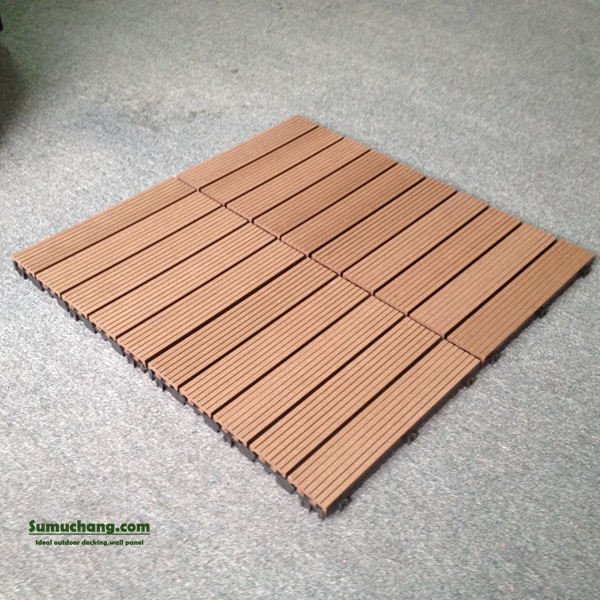
Similarly, WPC cladding is ideal for wall panels, offering a modern alternative to traditional wood or vinyl options. These panels can be used in both residential and commercial applications, transforming bland exteriors into stunning facades that draw attention. Fencing constructed from WPC not only adds privacy but also complements landscapes, creating a cohesive outdoor environment.
Enhancing User Experience with Texture and Colour
The selection of colour and texture in WPC cladding can significantly influence the user experience of outdoor spaces. Textured finishes that replicate the grain of wood add a layer of sophistication and warmth, while smooth surfaces can provide a more contemporary feel. These choices can also affect light interaction, contributing to the overall atmosphere of the area.
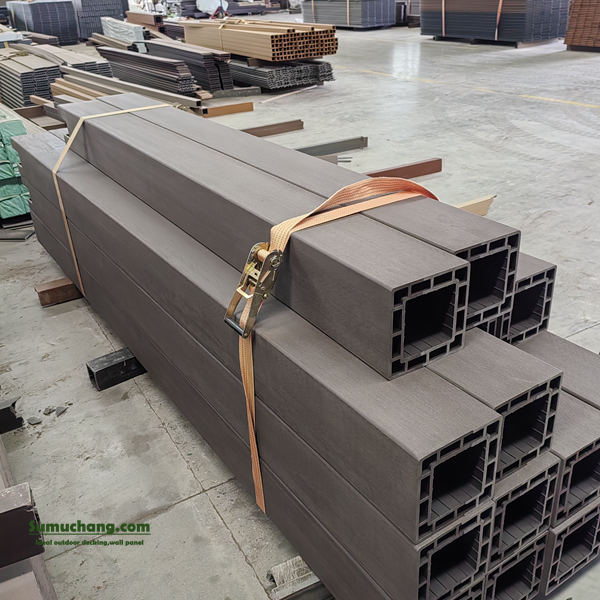
Additionally, colour plays a pivotal role in setting the mood. Lighter shades can make a space feel airier and more open, while darker hues can create a sense of intimacy and coziness. Combining different colours and textures within a single project can lead to dynamic designs that captivate and engage users, enhancing their connection to the outdoors.
Future Developments in WPC Cladding
The future of WPC cladding looks promising, with advancements in technology paving the way for even more innovative products. Emerging trends include the integration of smart technology, allowing for enhanced functionality in outdoor spaces. For instance, the incorporation of LED lighting within WPC structures can create enchanting atmospheres at night, transforming how these spaces are used and appreciated.
Moreover, sustainable practices are likely to drive further developments in WPC cladding. As environmental awareness grows, manufacturers are increasingly focused on producing materials that are not only eco-friendly but also contribute to energy efficiency in buildings. This shift will undoubtedly influence future designs, ensuring that WPC cladding remains at the forefront of outdoor aesthetic solutions.