 English
  Español
  Français
  Português
  Deutsch
  Italiano
  Русский
  العربية
  简体中文
简体中文  香港中文
香港中文  한국어
한국어  日本語
日本語  Türkçe
  Nederlands
  Bahasa Indonesia
 Choosing the Best Composite Decking for Your Project
Selecting the best composite decking can seem daunting, especially when considering the variety of materials and styles available. As an outdoor WPC after-sales service engineer, I frequently encounter customers who face installation issues, colour discrepancies, and maintenance challenges. To ensure a successful decking installation, it is crucial to be aware of these potential pitfalls and how to address them effectively.
Common Installation Errors
One of the most frequent problems arises during the installation phase. Many customers underestimate the importance of following the manufacturer’s guidelines precisely. Misalignment of boards can lead to gaps that not only detract from the aesthetic appeal but can also compromise the structural integrity of the decking. It is vital to use the recommended fasteners and spacing techniques to allow for natural expansion and contraction. Ignoring these details can result in a warped surface that is difficult to rectify after installation.
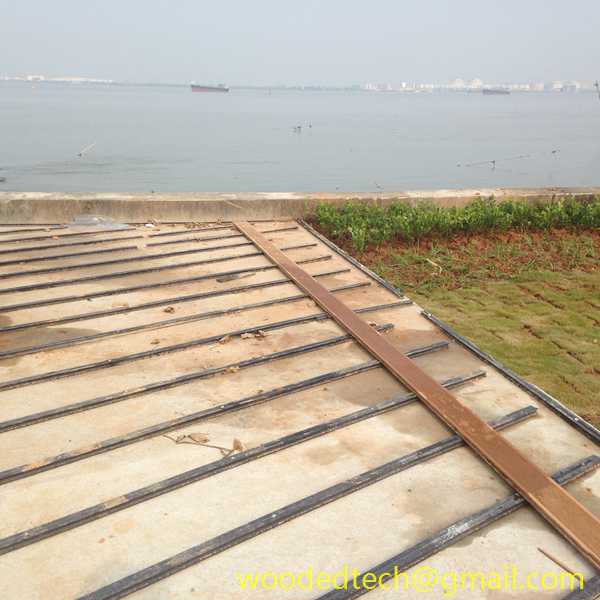
Moreover, improper substructure support can cause sagging in the decking boards. Ensuring the joists are adequately spaced and level is paramount for maintaining a robust and even surface. If customers are unsure, consulting a professional installer with experience in composite decking can save time and prevent costly errors.
Addressing Colour Differences
Another common concern is the appearance of colour variations between boards. Composite decking is designed to mimic the aesthetic of traditional wood, but manufacturing processes can sometimes yield slight differences in hue. This is particularly noticeable in outdoor settings where sunlight and weather can alter the appearance over time. It is advisable to open several boxes of decking before installation and mix boards from different boxes for a more uniform look.

If customers notice significant colour discrepancies after installation, it may be due to uneven exposure to UV light. In such cases, using a quality composite deck cleaner can help maintain a consistent appearance. However, it is essential to remember that some fading is natural over time, as composite materials adjust to their environment.
Tackling Expansion Issues
Composite decking is known for its durability, but it is not immune to thermal expansion. Changes in temperature can cause the boards to expand or contract, leading to a phenomenon known as ‘gapping.’ This issue can be particularly pronounced in regions with extreme temperature fluctuations. To mitigate this, installers should leave adequate spacing at the ends of the boards and around fixed objects such as posts or railings. The recommended gap is typically around 6mm to 10mm, allowing for movement without causing damage.
For existing installations facing gapping issues, adjusting the boards to increase spacing can help alleviate stress on the deck and enhance its lifespan. Customers should also be educated about seasonal changes and how they affect their decking to set realistic expectations.
Managing Surface Scratches
Despite their resilience, composite decking is not entirely scratch-proof. Surface scratches can occur from various sources, such as furniture movement, pets, or even outdoor equipment. Many customers are surprised when they discover that their decking is not as impervious as anticipated. It is wise to use protective mats or pads under furniture legs and to advise against dragging heavy items across the surface. For light scratches, a composite deck cleaner can help restore the appearance, but deeper scratches may require more intensive repair methods or replacement of the affected boards.
Maintenance Requirements for Longevity
Educating customers about the importance of proactive maintenance can significantly affect the longevity of their decking investment. Simple practices like sweeping away leaves and debris can prevent moisture build-up that may lead to mould or mildew growth. This not only keeps the decking looking good but also ensures a safe surface for family and guests.