 English
  Español
  Français
  Português
  Deutsch
  Italiano
  Русский
  العربية
  简体中文
简体中文  香港中文
香港中文  한국어
한국어  日本語
日本語  Türkçe
  Nederlands
  Bahasa Indonesia
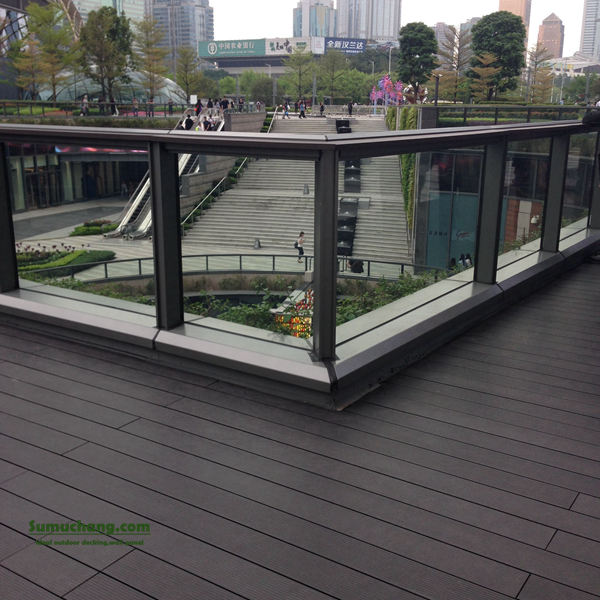
 Benefits of Recycled Wood Decking
Recycled wood decking is becoming increasingly popular among architects and landscape designers looking to create sustainable outdoor environments. Its composition, which typically includes a blend of reclaimed wood fibres and plastic, allows for a high level of durability while maintaining an aesthetic appeal. This material not only reduces waste by repurposing wood that might otherwise end up in landfills but also delivers performance that often surpasses that of traditional wood decking.
One of the most appealing aspects of recycled wood decking is its low-maintenance nature. Unlike conventional wood that requires regular staining and sealing, recycled options generally require minimal upkeep. This characteristic makes it an excellent choice for outdoor projects where long-term performance is paramount, allowing for more time to focus on design and functionality.
Design Flexibility with WPC Materials
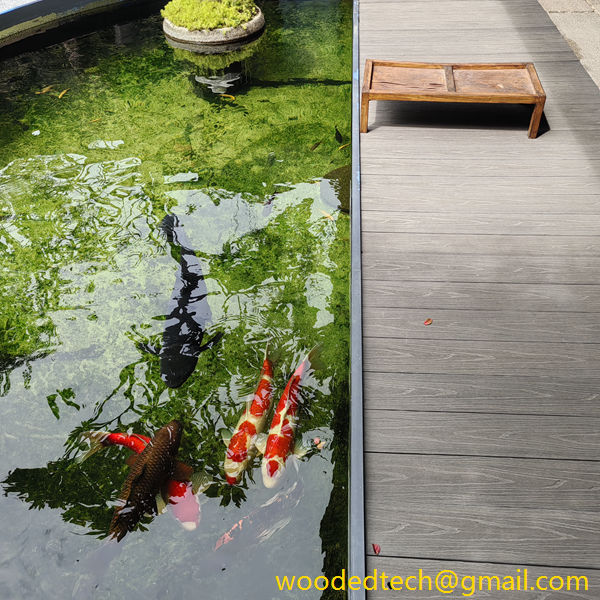
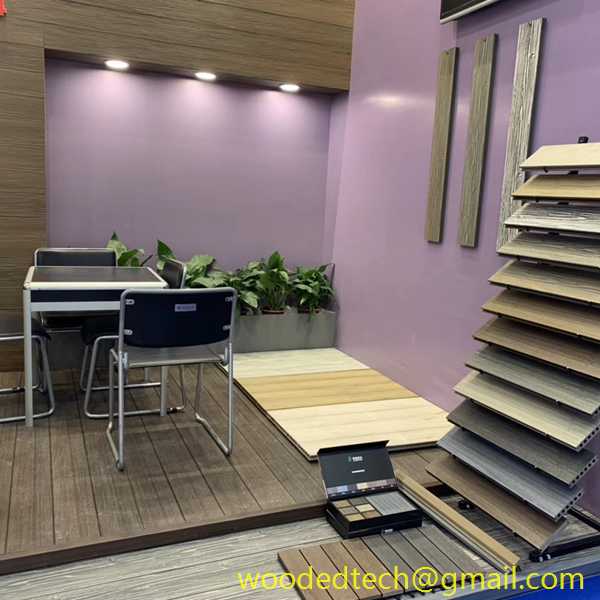
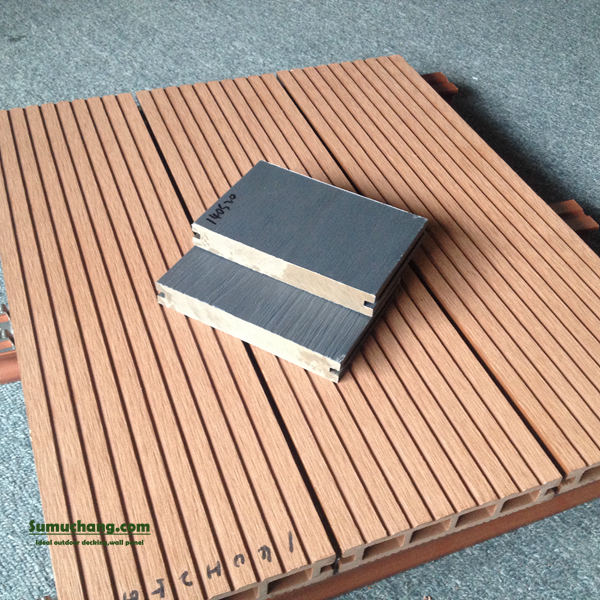
The versatility of recycled wood decking provides architects and landscape designers with an extensive range of design possibilities. Available in various colours, textures, and finishes, these products can emulate the look of natural wood while offering enhanced durability. This adaptability means that recycled wood decking can seamlessly fit into diverse design themes, from modern urban landscapes to rustic garden retreats.
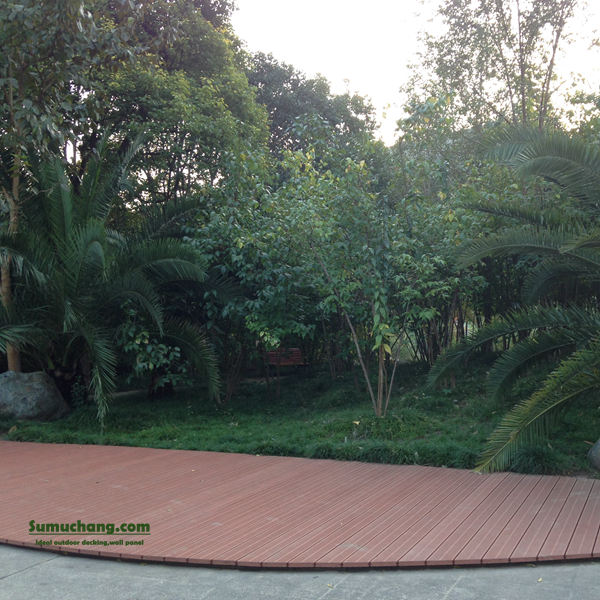
Incorporating recycled wood decking into larger outdoor projects, such as patios, walkways, and boardwalks, allows for continuous design lines that enhance visual appeal. The ability to create cohesive outdoor spaces that reflect both style and sustainability is a key advantage that architects seek when selecting materials.
Environmental Considerations in Material Selection
Additionally, many recycled wood decking products are manufactured using environmentally friendly processes and materials. This means that when architects specify these products, they can feel confident that their choices contribute positively to environmental conservation efforts. Selecting recycled wood decking is not merely a decision based on aesthetics; it embodies a commitment to sustainable practices.
Project Considerations for Landscape Architects
When embarking on outdoor projects, landscape architects must consider various aspects, including climate, usage, and aesthetics. Recycled wood decking offers a range of benefits well-suited for different environments. For example, in areas experiencing extreme weather conditions, selecting high-quality WPC materials that resist fading, warping, and splintering is critical. These properties ensure that the decking remains safe and visually appealing throughout its lifespan.
Another important consideration is the intended use of the space. For high-traffic areas, robust recycled wood decking options should be chosen to withstand wear and tear. Such choices ensure that the investment in outdoor spaces continues to provide value and functionality over time.
Installation and Longevity of Recycled Decking
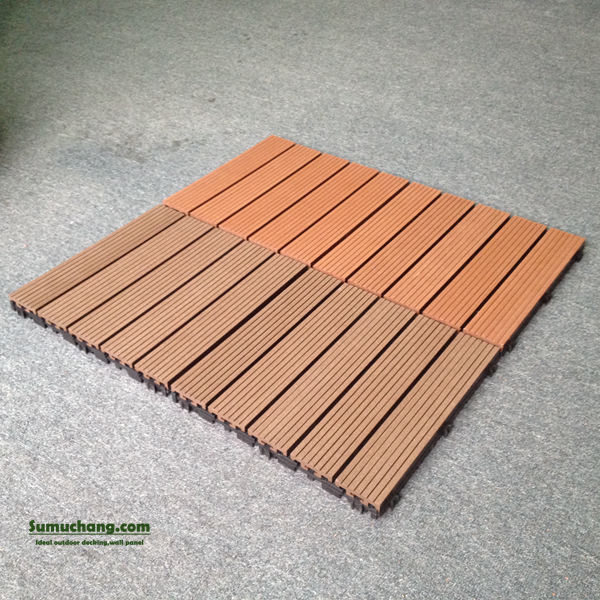
The installation of recycled wood decking is typically straightforward, making it a favourable choice for contractors and DIY enthusiasts alike. Many products come with pre-drilled holes that simplify the installation process, allowing for quicker project turnaround times. Furthermore, the longevity of recycled wood decking makes it a cost-effective choice when considering long-term maintenance and replacement costs.
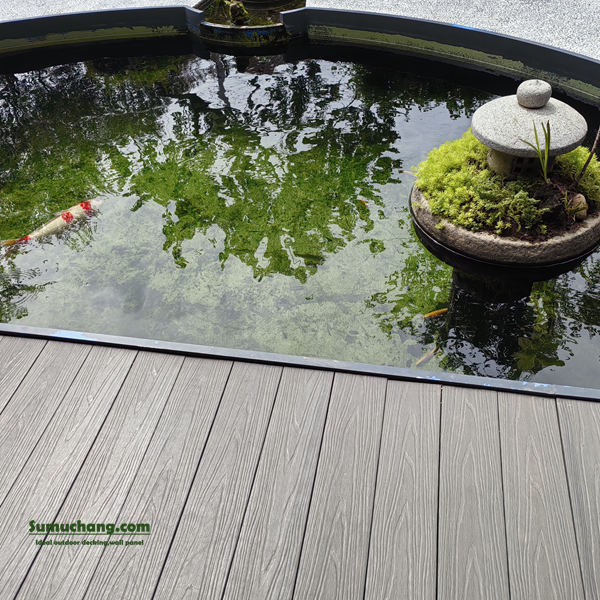
A key benefit of recycled wood decking is its resistance to common outdoor issues such as mould, mildew, and insect infestation. This durability not only enhances the lifespan of the material but also reduces the need for chemical treatments, further promoting a healthy outdoor environment.
Future Trends in Sustainable Outdoor Design
The landscape of outdoor design is shifting towards sustainability, with recycled wood decking poised to play a significant role in this transition. As architects and landscape designers increasingly prioritise eco-friendly materials, the demand for high-quality WPC products will continue to grow. This trend not only reflects a broader societal shift towards sustainability but also encourages innovation within the industry as manufacturers develop new, improved materials.
As sustainability becomes a core principle in outdoor project planning, architects and designers must remain informed about the latest advancements in recycled wood decking and other WPC materials. By staying ahead of the curve, they can ensure that their projects not only meet aesthetic expectations but also adhere to environmental standards, ultimately contributing to a greener future in outdoor design.