 English
 Español
 Français
 Português
 Deutsch
 Italiano
 Русский
 العربية
 简体中文
 香港中文
 한국어
 日本語
 Türkçe
 Nederlands
 Bahasa Indonesia
Diagnosing Gaps, Buckling and Uneven Joints
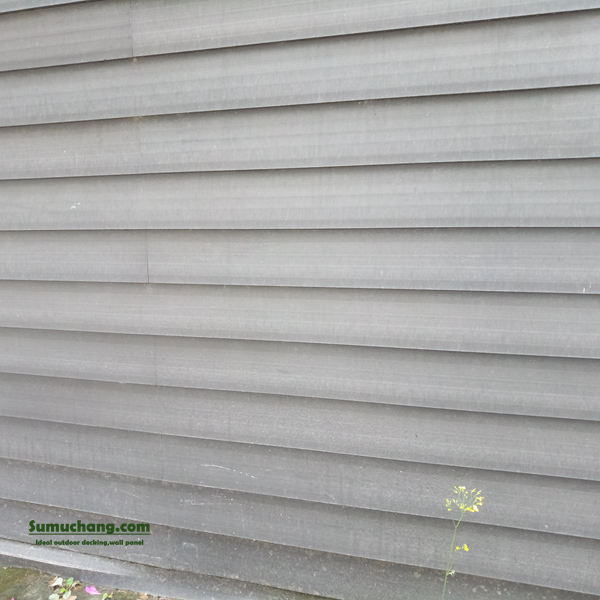
Installation complaints about a wpc outdoor panel often begin with visible movement: joints open in cool weather, boards press together in heat, or a wall surface appears wavy. These symptoms usually point to a combination of expansion allowance, fixing method and site conditions rather than a defective panel alone. WPC contains wood fibre and polymer, so its dimensions respond to temperature. Installers should follow the product’s specified end gaps and keep boards clear of hard restraints at corners, window reveals and the top of a wall.
As an OEM customization specialist, I first compare the installation photos and measurements with the approved drawing and product data. A profile made for a sheltered balcony may not suit a sun-exposed façade with long uninterrupted runs. We can customize profile width, thickness and length to match the project’s support spacing and visual layout, then confirm the required expansion allowance through product testing and installation guidance. For global orders, drawings should state units, tolerances and the expected installation temperature, reducing costly interpretation errors across markets.
Correcting Fixing and Substructure Problems
Loose panels, rattling and fastener marks are often caused by an unsuitable substructure or a fixing system that does not match the profile. Check that battens are straight, securely anchored and spaced within the manufacturer’s limits. Clips must sit in the designed grooves, while screws should not be overtightened or driven so close to an edge that they split or distort the material. For vertical installation, confirm that the support layout and fixing details account for drainage and the panel’s weight.

Manufacturers can adapt a profile to work with a customer’s preferred clip, concealed screw or regional framing standard, but this needs to be agreed before production. We provide cross-section drawings, sample lengths and fixing recommendations so the installer can verify compatibility on site. Where a project uses a non-standard support distance, the engineer should review load, span and wind exposure rather than assuming that a wider panel can bridge the same gap. That review is particularly important for commercial façades and high-wind coastal locations.
Managing Colour and Surface Variation
Panels that appear different in shade or texture can reflect normal production variation, inconsistent batch selection or changes in viewing light. Before fitting, installers should open several packs and dry-lay boards from different cartons, blending them to distribute tonal variation. They should also check that the visible face is oriented consistently. Dust, protective film and wet surfaces can alter colour perception, so final inspection is best carried out after cleaning in natural daylight.
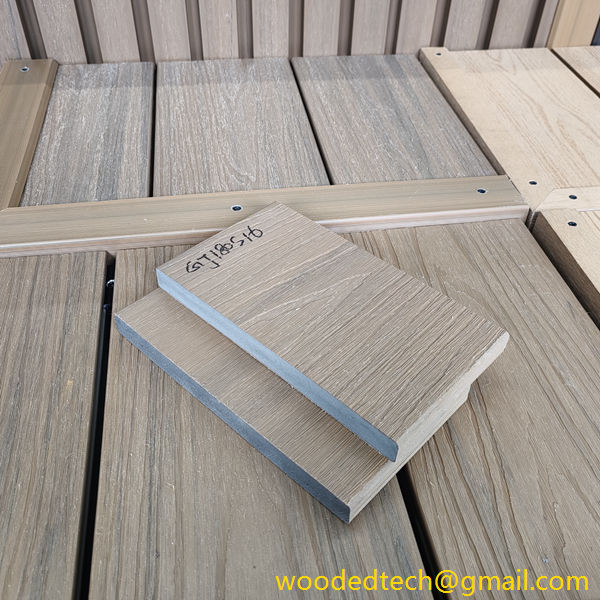
For a customer’s brand or project palette, an OEM factory can develop custom colours, embossed grain, brushed finishes or other surface textures. A physical reference sample is more reliable than a screen image, and approval should cover both colour and texture under agreed lighting. We retain a signed sample or colour standard for production comparison and can label cartons by batch. Where phased construction is expected, specifying a repeatable colour target and ordering spare panels from the same production run helps maintain a consistent appearance during later repairs.
Solving Drainage, Staining and Edge Damage
Water marks, dirt lines and mould growth around a wpc outdoor panel commonly indicate poor drainage, trapped debris or insufficient ventilation behind the cladding. Check that the cavity remains open, that the base detail allows water to escape and that flashings direct rain away from cut edges. Panels should not be installed against soil or standing water unless the product has been specifically designed and approved for that exposure. Cleaning should follow the supplier’s instructions; harsh solvents and abrasive tools can mark the surface or damage its finish.

Cracked ends and chipped corners can result from rough handling, blunt cutting tools or unsupported cuts. Use a sharp blade suited to composite material, support the panel during cutting and remove dust before fitting. For bespoke projects, the factory can adjust end profiles, supply accessory trims and recommend packaging protection for vulnerable edges. These details matter in export shipments, where repeated handling and long transit can expose corners to impact before installation begins.
Matching Custom Supply to Site Conditions
Good troubleshooting starts before a container leaves the factory. We ask for drawings, installation orientation, climate, target span, fixing preference and applicable building requirements. This information guides profile dimensions, colour, surface texture and accessory selection. Packaging can also be customized with moisture protection, reinforced corners, pallet dimensions, carton labels and project or distributor branding. Clear labels showing profile code, colour, batch and installation face help crews identify the right material without opening every pack.
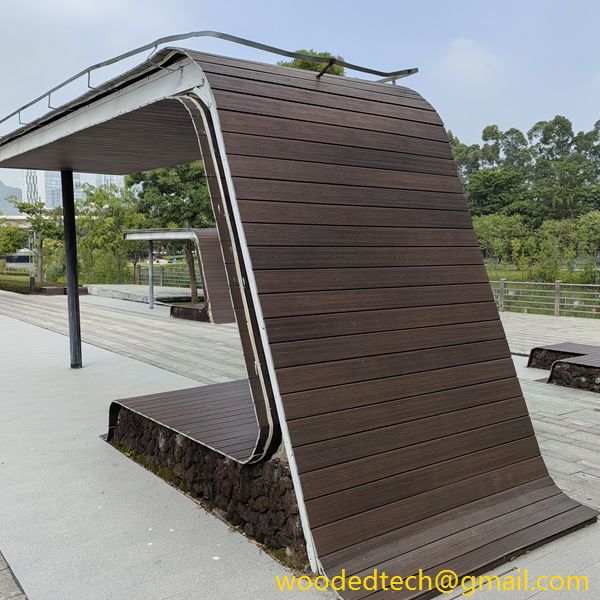
Special applications may require fire-performance documentation, low-temperature handling guidance, UV exposure testing or a profile designed around curved features and unusual junctions. These requests need technical review and sample validation; a custom appearance should never be treated as proof of structural suitability. If an issue arises after delivery, photographs of the installed area, batch labels, fixing details and measured gaps give the factory’s after-sales team a practical basis for diagnosis. With that evidence, manufacturers can distinguish a site error from a product or specification mismatch and recommend a repair that fits the actual project.