 English
 Español
 Français
 Português
 Deutsch
 Italiano
 Русский
 العربية
 简体中文
 香港中文
 한국어
 日本語
 Türkçe
 Nederlands
 Bahasa Indonesia
Formula Design Starts With the Landscape
Durable outdoor wood plastic composite (WPC) products begin with a formula matched to their service conditions. A decking board faces repeated foot traffic, standing water and daily temperature swings. Wall cladding needs dimensional stability and dependable colour, while fencing and pergolas must retain their shape under wind, sunlight and sustained exposure. In WPC manufacturing, a single recipe rarely performs equally well across every profile. Formulation development instead balances wood fibre, plastic, additives and processing limits against the loads and climate the finished product will encounter.
Wood fibre contributes stiffness, a natural appearance and efficient use of plant-based material. Plastic binds the composite and helps limit water uptake, but the best ratio depends on fibre species, particle size, profile geometry and intended use. Raising fibre content can reduce material cost and increase rigidity, yet it also demands better drying and dispersion. Too much poorly bonded fibre may increase moisture sensitivity, surface defects and dimensional movement. A higher plastic share can improve moisture resistance and melt flow, but may raise cost and soften the board if the polymer grade and reinforcement are not carefully selected.
Wood Fibre and Polymer Must Work Together
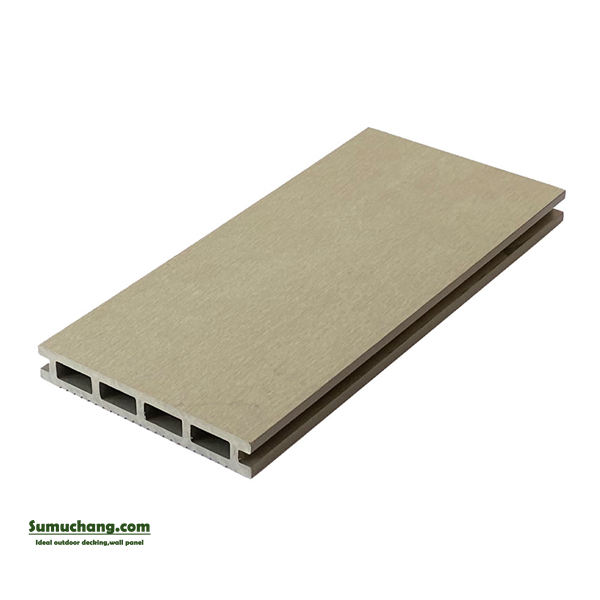
Fibre preparation has a direct effect on consistency. Moisture, particle shape and size distribution influence feeding, mixing and extrusion. Wet fibre can create steam and voids; oversized particles may cause rough surfaces or weak points, while excessive fines can raise resin demand and alter flow. A formulation engineer sets practical fibre specifications and confirms that drying and storage protect them before production. These controls are particularly important for hollow decking and cladding profiles, where uneven material distribution can affect both appearance and wall strength.
The polymer phase must wet and encapsulate the fibre during compounding. Polyethylene is commonly used for outdoor profiles because it offers useful moisture resistance and impact performance, but polymer grade and melt behaviour still matter. Coupling agents help improve adhesion between hydrophilic wood and hydrophobic plastic, supporting load transfer and reducing the risk of fibre pull-out. The target is not simply the lowest polymer content or the highest fibre loading. It is a stable processing window that yields repeatable mechanical properties without excessive resin use.
Additives Protect Performance Outdoors
Additives address specific failure mechanisms. Lubricants help control friction and melt flow through the extruder and die, while stabilisers protect the polymer during processing and outdoor heat exposure. UV packages slow colour change and surface degradation, and pigments must be selected for both weathering resistance and the desired visual finish. Antioxidants can limit oxidation, while suitable antifungal or preservation measures may be considered where regulations and the product specification allow. Each addition should have a defined purpose and an assessed effect on cost, compatibility and recyclability.
More additive is not automatically better. Excess lubricant can weaken bonding or cause surface migration; an unsuitable pigment can shift colour under sunlight; and poorly dispersed stabilisers can leave inconsistent protection. Engineers validate the complete compound through trials, checking extrusion stability, density, surface quality, water absorption, dimensional change and relevant strength properties. Outdoor ageing tests and colour exposure checks help connect laboratory results with the product’s expected climate and maintenance conditions. The test programme should reflect the application rather than rely on one headline value.

Match the Compound to Each Product
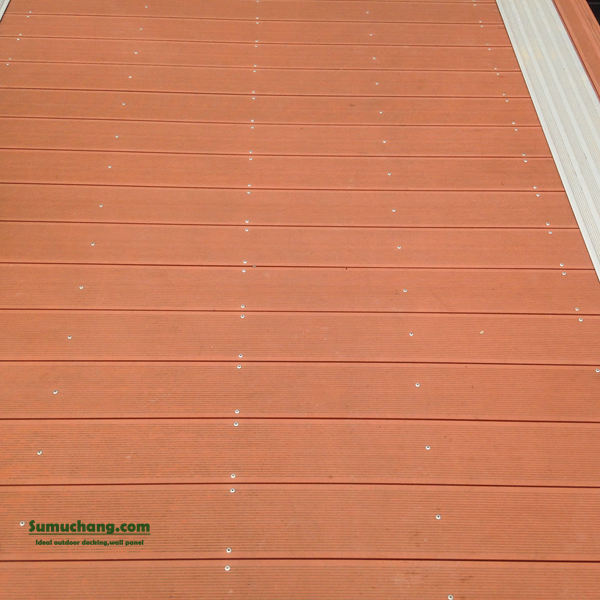
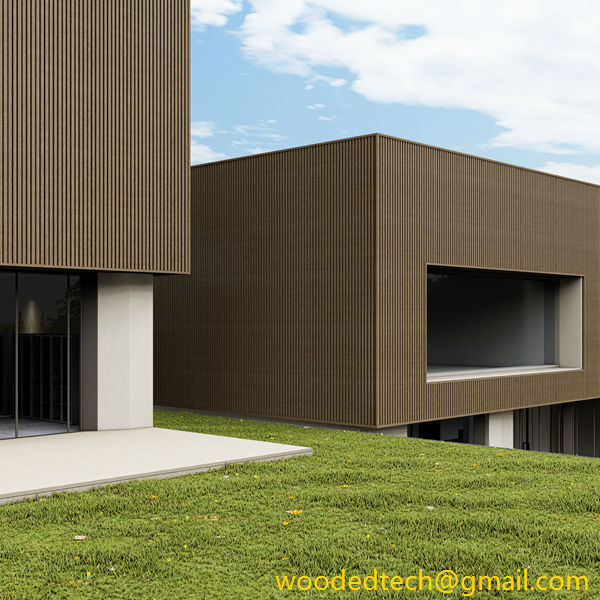
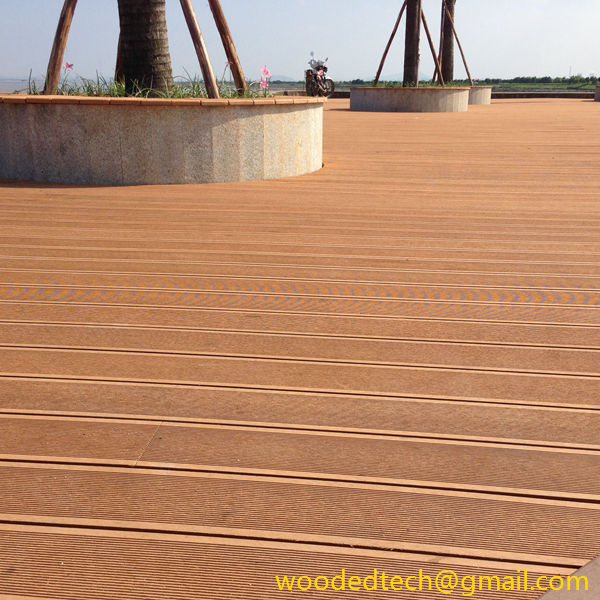
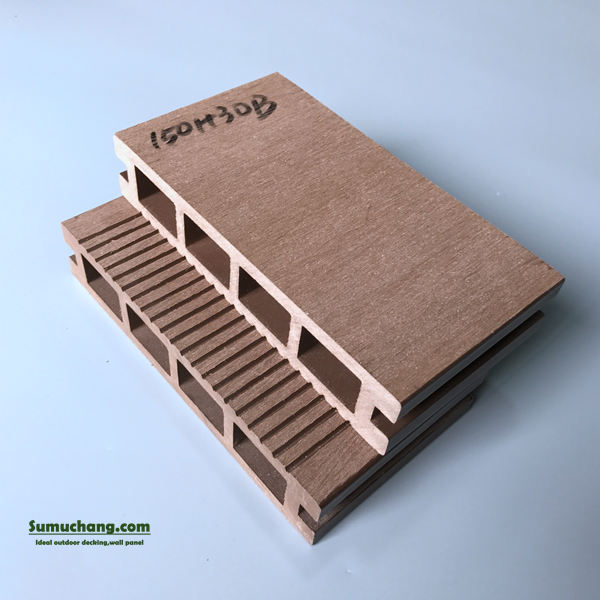
Decking formulas need adequate stiffness and impact resistance, particularly around fasteners and support spans. A profile’s geometry, wall thickness and installation spacing work alongside the compound, so recipe changes should be reviewed with structural design. Cladding may prioritise low warpage, stable colour and a finish that remains consistent across long runs. Fence boards need resistance to bending and wind loading, while pergola components may require greater section strength and careful control of thermal movement. Landscape edging, planters and screens bring their own combinations of soil contact, water exposure and dimensional demands.
These distinctions guide cost control. A high-performance additive package or polymer grade should be reserved for requirements that justify it, rather than applied indiscriminately. Material savings can also come from stable feeding, lower scrap rates, consistent calibration and profile designs that use material efficiently without creating thin, fragile sections. Comparing formulas on cost per service year is more useful than comparing resin price per kilogram alone. A cheaper compound that warps, fades or requires early replacement can increase total project cost through maintenance, labour and disruption.

Manufacturing Consistency Extends Service Life
A sound formulation only delivers value when production reproduces it. Controlled dosing, thorough mixing, stable extrusion temperatures and calibrated cooling help maintain uniform composition and dimensions. Operators should track melt behaviour, pressure, line speed, profile weight and dimensional checks, then investigate drift before it creates a batch-wide defect. Incoming checks on fibre moisture and polymer consistency provide an early warning when raw materials vary. Clear batch records also make it easier to connect field performance with formulation and process settings.
For landscape projects, lifespan depends on the whole system: the compound, profile design, manufacturing discipline, installation details and exposure conditions. Drainage gaps, suitable substructure spacing and expansion allowances reduce stress that no formula can eliminate. As a formulation development engineer, I assess these factors together and set a practical performance target for each application. That approach gives manufacturers a defensible balance between fibre content, plastic ratio, additive cost and expected service life, while helping specifiers choose WPC products suited to real outdoor use.