 English
  Español
  Français
  Português
  Deutsch
  Italiano
  Русский
  العربية
  简体中文
简体中文  香港中文
香港中文  한국어
한국어  日本語
日本語  Türkçe
  Nederlands
  Bahasa Indonesia
 Versatile Outdoor Wall Panel for All Your Design Ideas
The outdoor wall panel is an innovative solution that has gained popularity for its versatility and aesthetic appeal. From a materials production process perspective, the creation of these panels involves a series of carefully orchestrated steps that ensure durability, functionality, and visual appeal. This article delves into the production techniques and material selections that contribute to the effectiveness of outdoor wall panels, highlighting why they are an ideal choice for various design ideas.

Initially, the selection of materials is the cornerstone of the production process. Outdoor wall panels are commonly constructed from materials such as fiber cement, composite wood, and high-density polyethylene. Each of these materials is chosen for its unique properties. Fiber cement panels are renowned for their resistance to moisture and UV rays, which makes them suitable for various climates. Composite wood offers a natural appearance while being less susceptible to rotting and warping than traditional wood. High-density polyethylene, on the other hand, is lightweight and provides excellent durability against harsh weather conditions. The choice of material directly impacts the panel’s performance and longevity, making it essential for manufacturers to consider the specific environmental conditions where the panels will be installed.
Once the material is selected, the production process begins with the formulation of the base material. In the case of fiber cement panels, a mixture of cement, silica, cellulose fibers, and water is created. This combination ensures that the panels have the strength required to withstand external pressures. For composite wood, wood fibers are blended with plastic resins and other additives to enhance strength and moisture resistance. The processing of these materials typically involves extrusion or molding, where the mixture is shaped into panels of desired thickness and dimensions. These methods allow for high precision and uniformity in the final product, which is crucial for achieving a seamless installation.

After shaping, the panels undergo a curing or drying process. For fiber cement panels, this step is critical as it allows the mixture to harden and bond effectively. This process can take several days and is often conducted in controlled environments to ensure optimal conditions. Composite wood panels may also require a curing phase, where heat and pressure are applied to enhance their structural integrity. This stage is essential to eliminate moisture content and prepare the panels for the next steps in production.
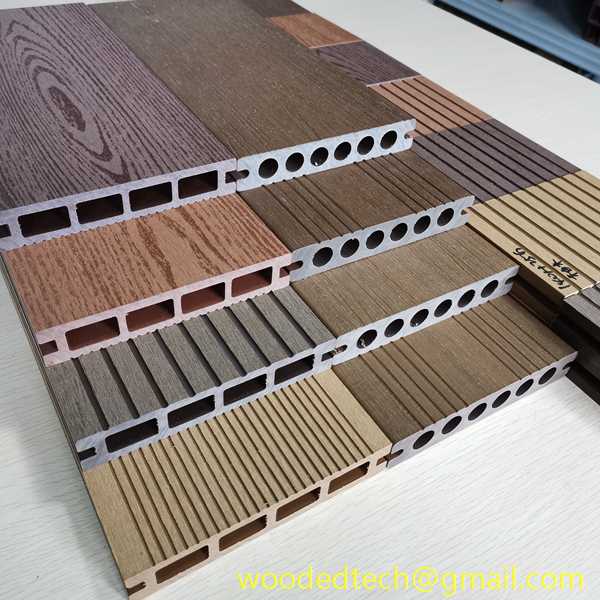
Surface treatment is another vital aspect of the production process that impacts the aesthetic qualities of outdoor wall panels. Depending on design preferences, panels can be finished with various coatings, stains, or paints. For instance, fiber cement panels can be painted with weather-resistant paints that provide color and additional protection against the elements. Composite wood panels can be treated with stains that enhance their natural wood appearance while offering protection against UV rays. High-density polyethylene panels often come in a variety of colors and textures, allowing for creativity in design. The surface treatment not only influences the visual appeal of the panels but also contributes to their longevity and maintenance requirements.
The versatility of outdoor wall panels is further enhanced by their adaptability to different installation techniques. Panels can be installed using traditional fastening methods or more modern approaches such as clip systems that allow for easier installation and removal. This flexibility is particularly beneficial for designers and architects who wish to create dynamic spaces that can evolve over time. The ability to easily replace or modify panels without extensive labor makes them an attractive option for both residential and commercial applications.
Furthermore, the sustainability of the materials used in outdoor wall panels has become an important consideration in the production process. Many manufacturers are now incorporating recycled materials into their products, reducing the overall environmental impact. For example, composite wood can be made from reclaimed wood fibers and recycled plastics, while fiber cement can utilize post-consumer materials. This focus on sustainability not only appeals to environmentally conscious consumers but also aligns with global trends toward eco-friendly building practices.
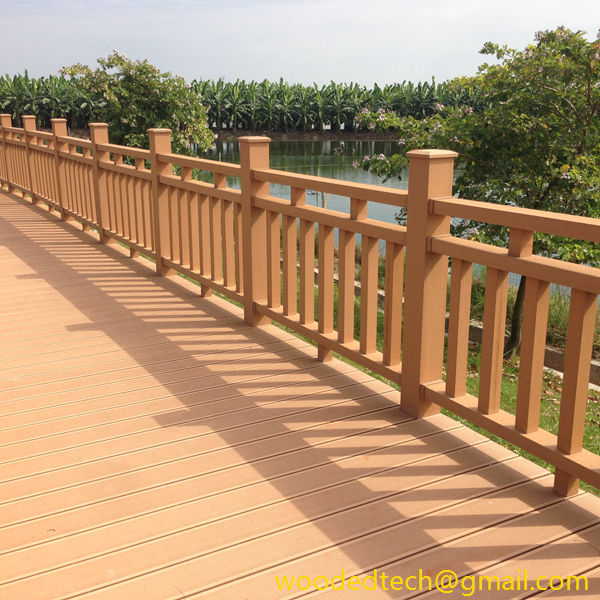
In designing spaces with outdoor wall panels, the possibilities are virtually limitless. They can be utilized in various applications, from creating feature walls in gardens to enclosing patios and balconies. Their ability to withstand harsh weather conditions while maintaining their aesthetic appeal makes them suitable for both residential and commercial projects. As trends in outdoor living spaces continue to evolve, the demand for versatile and durable wall panels is likely to grow, driven by the need for innovative design solutions that enhance the functionality and beauty of outdoor environments. The production processes behind these panels ensure that they meet the high standards required for outdoor use, making them a reliable choice for designers looking to explore creative ideas in their projects.