 English
  Español
  Français
  Português
  Deutsch
  Italiano
  Русский
  العربية
  简体中文
简体中文  香港中文
香港中文  한국어
한국어  日本語
日本語  Türkçe
  Nederlands
  Bahasa Indonesia
 When it comes to constructing a durable and reliable deck, the choice of framing materials is crucial. Composite materials have emerged as a leading option for builders and homeowners alike, thanks to their combination of strength, longevity, and resistance to environmental factors. Understanding the production processes and properties of composite deck framing materials can help in making an informed decision that ensures structural integrity and aesthetic appeal.
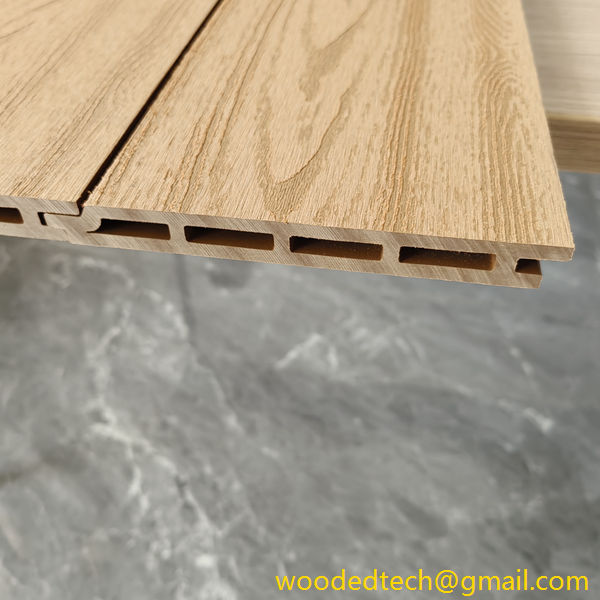
Composite framing materials are typically made from a blend of wood fibers and synthetic materials, such as recycled plastics. This combination is engineered to provide the best of both worlds: the natural appearance of wood and the superior durability of plastic. The manufacturing process begins with the collection of raw materials, where wood fibers are sourced from recycled wood waste, ensuring an environmentally friendly approach. This not only minimizes waste but also reduces the demand for new lumber, contributing to sustainable practices in the building industry.
Once the raw materials are gathered, they go through a series of processing steps. The wood fibers are first dried to remove excess moisture, which is essential for achieving the right consistency in the final product. Following drying, the wood fibers are mixed with plastic resin. This mixture is then extruded through a mold to create the desired shape and size of the framing materials. The extrusion process is critical because it allows for uniform density and strength throughout the material, which is essential for maintaining structural integrity over time.

After extrusion, the composite material undergoes a curing process where heat and pressure are applied. This step enhances the bonding between the wood fibers and plastic, resulting in a strong and cohesive product. The curing process also improves the material’s resistance to warping, splitting, and rotting, which are common issues associated with traditional wood framing. The final product is then cooled and cut into standard lengths, ready for distribution and installation.
One of the significant advantages of composite decking materials is their resistance to weathering. Unlike traditional wood, composite materials do not absorb water, which means they are less prone to issues such as mold, mildew, and insect infestations. This characteristic is particularly important for outdoor applications where exposure to moisture can cause extensive damage over time. Additionally, composite materials are designed to resist fading and discoloration from UV rays, ensuring that the deck maintains its appearance for years with minimal maintenance.
Another important factor to consider is the ease of installation. Composite framing materials are often lighter than traditional wood, making them easier to handle and transport. They can be cut and shaped using standard woodworking tools, allowing for flexibility in design and construction. Many composite products also come with interlocking features that simplify assembly, reducing labor costs and construction time.
Moreover, safety is an essential consideration in deck construction. Composite materials typically feature a slip-resistant surface, which is a significant advantage when the deck is exposed to rain or spills. This safety feature is an essential consideration for families with children or elderly individuals. Furthermore, many composites are designed to be fire-resistant, providing an added layer of protection in case of fire hazards.
From an environmental perspective, composite framing materials are a sustainable choice. The use of recycled materials in their production contributes to waste reduction and promotes responsible consumption. Additionally, the longevity of composite materials means that they do not need to be replaced as frequently as traditional wood, further minimizing environmental impact over the life cycle of the product.

In terms of aesthetics, composite framing materials offer a wide range of colors and finishes, allowing homeowners to select options that complement their home’s design. Unlike natural wood, which can require staining and sealing to maintain its appearance, composite materials often retain their color and finish without the need for extensive upkeep. This not only saves time and money in maintenance but also enhances the overall look of the deck throughout its lifespan.
Selecting composite deck framing materials represents a significant investment in quality and durability. The production processes behind these materials ensure that they provide reliable performance, while their environmental benefits and aesthetic options make them an appealing choice for modern construction. Ultimately, choosing the right framing material is essential for anyone looking to build a deck that will stand the test of time, providing enjoyment and functionality for years to come. With their numerous advantages, composite materials are well-suited for those seeking a long-lasting and low-maintenance solution for outdoor living spaces.