 English
  Español
  Français
  Português
  Deutsch
  Italiano
  Русский
  العربية
  简体中文
简体中文  香港中文
香港中文  한국어
한국어  日本語
日本語  Türkçe
  Nederlands
  Bahasa Indonesia
 Composite decking has gained significant popularity in recent years due to its durability, low maintenance requirements, and aesthetic appeal. However, making an informed decision about whether to invest in composite decking requires a thorough understanding of its production processes and the materials involved. This article aims to explore the manufacturing techniques of composite decking, the materials used, and the implications of these factors on the overall performance and longevity of the product.
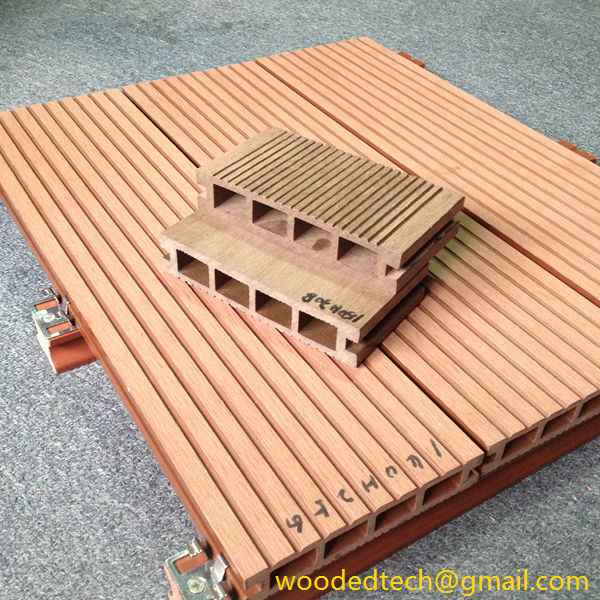
Composite decking is primarily made from a combination of wood fibers and synthetic materials, typically polyethylene or polypropylene. The choice of materials is crucial as it directly influences the physical characteristics of the decking. Wood fibers are often sourced from recycled wood products, making composite decking an environmentally friendly option. The use of recycled materials not only minimizes waste but also reduces the demand for virgin wood, contributing to sustainable forestry practices.
The production process of composite decking involves several stages, beginning with the preparation of the raw materials. The wood fibers are dried and ground into a fine powder, while the plastic components are typically in pellet form. These materials are then blended together in specific proportions, ensuring the desired balance between strength and flexibility. Additives such as colorants and UV stabilizers are also incorporated into the mixture to enhance the aesthetic qualities and protect against fading or degradation from exposure to sunlight.

Once the materials are thoroughly mixed, the next step is the extrusion process. During extrusion, the blended mixture is fed into a machine that heats and melts the plastic component. The molten mixture is then forced through a die to create long boards of composite decking. This continuous process allows for a uniform thickness and consistent quality throughout the product. After extrusion, the boards are cooled and cut to the desired lengths.
Another method used in the production of composite decking is the compression molding technique. This approach involves placing the blended material into a mold and applying heat and pressure to form the decking boards. Compression molding is often favored for its ability to create intricate textures and patterns on the surface of the decking, providing an attractive finish that mimics the appearance of natural wood.
Regardless of the manufacturing method, the quality control process is critical in ensuring that the composite decking meets industry standards. Samples from each production batch are tested for strength, durability, and resistance to moisture and UV exposure. This rigorous testing ensures that the final product can withstand the elements and the wear and tear of everyday use.

One of the significant advantages of composite decking is its low maintenance requirements compared to traditional wood decking. The synthetic materials used in composite products are resistant to rot, insects, and warping, which are common issues associated with natural wood. This longevity translates into cost savings for homeowners, as they do not need to invest in regular staining, sealing, or replacement of boards over time.
Despite these advantages, it is essential to consider potential drawbacks when evaluating composite decking. Some products may be prone to fading over time, especially if they are not manufactured with high-quality UV stabilizers. Additionally, while composite decking is generally more resistant to scratching and denting compared to wood, it is not entirely impervious to damage. Homeowners should be cautious when using heavy furniture or dragging items across the surface.
Another consideration is the environmental impact of composite decking. While the use of recycled materials is a positive aspect, the production of synthetic components involves the use of fossil fuels. Homeowners who prioritize eco-friendliness may want to weigh the benefits of composite decking against the environmental costs associated with its production.
When deciding whether to choose composite decking, it is crucial for consumers to research the various brands and products available on the market. Different manufacturers may use varying proportions of wood fibers and plastics, leading to significant differences in performance and durability. Reading user reviews and seeking recommendations can provide valuable insights into which products are worth investing in.
Ultimately, the decision to use composite decking hinges on individual preferences and priorities. For those who value low maintenance and long-lasting performance, composite decking can be an excellent choice. However, for those who are more inclined toward traditional materials or have concerns about environmental impact, exploring alternative options may be beneficial. Understanding the production process and the materials used in composite decking will empower consumers to make informed choices that align with their lifestyle and values.