 English
  Español
  Français
  Português
  Deutsch
  Italiano
  Русский
  العربية
  简体中文
简体中文  香港中文
香港中文  한국어
한국어  日本語
日本語  Türkçe
  Nederlands
  Bahasa Indonesia
 When embarking on a decking project, whether for residential or commercial purposes, precise planning and budgeting are crucial. One of the most effective tools for achieving this is a decking composite calculator. This tool not only simplifies the estimation process but also ensures that the materials selected align with the desired performance characteristics of the decking system. Understanding the properties of composite decking materials is essential for making informed decisions that will influence the longevity, aesthetics, and overall performance of the deck.
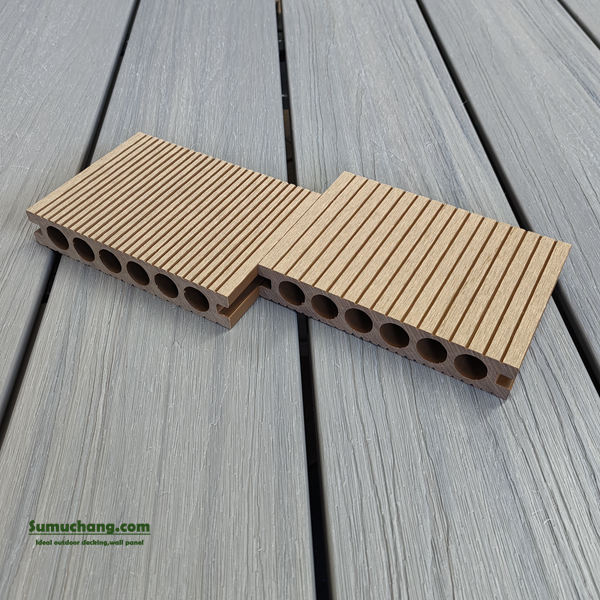
Composite decking materials are engineered to combine the best features of wood and plastic. This hybrid composition offers several advantages, including enhanced durability and resistance to environmental factors. When using a decking composite calculator, it is important to input accurate measurements and consider the specific characteristics of the materials you are planning to use. The calculator can provide a breakdown of how much material is needed based on the dimensions of your project, including length, width, and height. This precise calculation helps prevent over-purchasing or under-purchasing materials, which can significantly impact your budget.
One of the key performance characteristics of composite decking is its resistance to moisture. Unlike traditional wood, which can warp, splinter, or decay when exposed to water, composite decking is designed to withstand the elements. This water-resistant property is particularly important in climates that experience heavy rainfall or humidity. When planning your project, consider how moisture resistance will affect the longevity of your decking. Using the calculator, you can evaluate different composite options that offer varying levels of water resistance, which can ultimately save you money on repairs and replacements in the future.

Another significant factor to consider is the UV resistance of composite materials. Prolonged exposure to sunlight can lead to fading and discoloration in many decking materials, particularly those made from traditional wood. Composite decking is designed with UV inhibitors that help maintain its color over time. By factoring in the UV resistance of different composite products in your calculations, you can choose materials that will retain their aesthetic appeal while minimizing maintenance costs associated with fading. The decking composite calculator can help you assess the costs of different products and their expected lifespan based on their resistance to UV damage.
Thermal expansion is another critical aspect to consider when planning a decking project. Composite materials can expand and contract with temperature changes, which can affect the installation and overall performance of the deck if not properly accounted for. The decking composite calculator can assist in determining how much space to leave between boards to accommodate this expansion, ensuring that the deck remains structurally sound throughout its lifespan. This aspect of project planning is often overlooked, but it is essential to prevent warping or buckling over time.
Additionally, the weight of composite decking materials can influence the structural requirements of your deck. Composite boards tend to be heavier than traditional wood, which may necessitate additional support structures or reinforcements in your design. By using a decking composite calculator, you can input the weight of your chosen materials and evaluate whether your existing framework will support it adequately. This consideration not only affects your budget but also ensures the safety and durability of the finished product.

Another feature of composite decking is its low maintenance requirements compared to traditional wood. Composite decking does not require regular sealing or staining, which can save both time and money in the long run. When using the decking composite calculator, it is beneficial to factor in the long-term maintenance costs associated with different materials. By understanding the maintenance profile of your chosen composite decking, you can create a more accurate budget that reflects not only the initial investment but also the ongoing costs associated with upkeep.
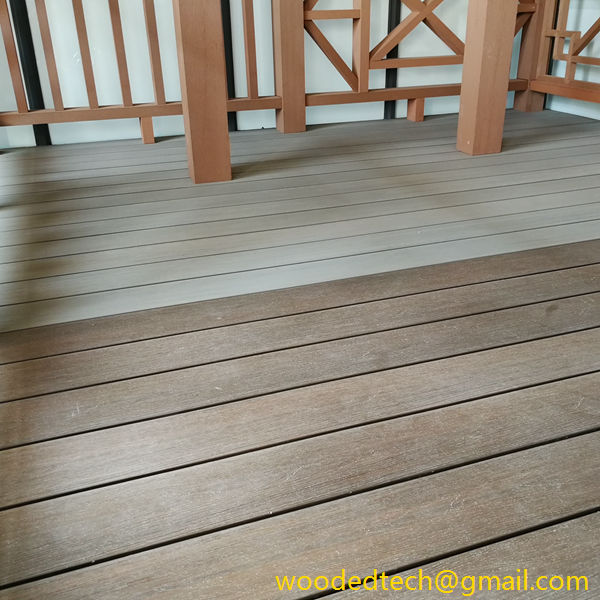
The aesthetic appeal of composite decking is another important consideration in project planning. Available in a variety of colors and finishes, composite materials can be tailored to suit any design preference. The decking composite calculator can help you visualize how different color options will impact the overall look of your project. By exploring various finishes and textures, you can select materials that complement your home or commercial space while staying within your budget.
In selecting composite decking for your project, it is essential to consider the environmental impact of the materials. Many composite products are made from recycled materials, making them a more sustainable option compared to traditional wood. By using a decking composite calculator, you can identify eco-friendly options that meet your performance needs while contributing positively to environmental conservation.
Overall, using a decking composite calculator for precise project planning and budgeting can significantly enhance the efficiency and effectiveness of your decking project. By considering material performance characteristics such as moisture resistance, UV stability, thermal expansion, weight, maintenance requirements, aesthetics, and environmental impact, you can ensure your chosen materials align with your project goals. Accurate calculations and informed decisions lead to a successful decking project that meets both aesthetic and functional needs while adhering to budgetary constraints.