 English
  Español
  Français
  Português
  Deutsch
  Italiano
  Русский
  العربية
  简体中文
简体中文  香港中文
香港中文  한국어
한국어  日本語
日本語  Türkçe
  Nederlands
  Bahasa Indonesia
 Wood Plastic Composite (WPC) boards have emerged as a popular alternative in modern construction and manufacturing due to their unique blend of wood and plastic materials. These innovative boards are made by combining wood fibers, plastic polymers, and various additives through an advanced manufacturing process. Understanding the production techniques and benefits of WPC boards can help stakeholders make informed decisions about their applications in various industries.
The production of WPC boards begins with the careful selection of raw materials. Wood fibers, typically sourced from recycled wood or timber, provide the natural aesthetic and structural integrity to the composite. On the other hand, plastic polymers, often derived from recycled plastics, contribute to the durability and resistance to moisture and pests. The combination of these materials not only promotes sustainability but also enhances the performance characteristics of the final product.

The manufacturing process of WPC boards generally involves several key steps. Initially, the wood fibers are processed to achieve a consistent size and quality. This ensures that the final product has uniform strength and appearance. The plastic polymers are then melted and mixed with the wood fibers in a controlled environment. This crucial step is executed using advanced machinery that ensures an even distribution of materials, which is essential for achieving the desired properties in the WPC board.
Once the wood and plastic are blended, the mixture is subjected to extrusion, a process where it is formed into sheets or boards through a die. This step is critical as it determines the thickness, width, and overall dimensions of the WPC boards. The extruded boards are then cooled and cut to specific sizes, ready for further processing. Depending on the intended application, additional treatments such as surface finishing or coating may be applied to enhance aesthetics and durability.
One of the standout benefits of WPC boards is their excellent resistance to environmental factors. Unlike traditional wood products, which may warp, rot, or become infested with insects, WPC boards maintain their structural integrity even in harsh conditions. This makes them an ideal choice for outdoor applications such as decking, fencing, and landscaping. The ability to withstand moisture without deteriorating extends the lifespan of WPC boards, providing significant long-term cost savings for homeowners and businesses alike.
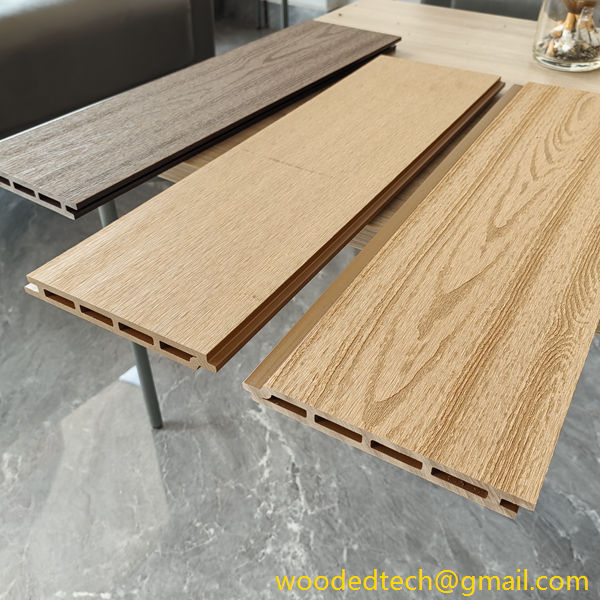
Another advantage of WPC boards is their low maintenance requirements. Unlike conventional wood, which may require regular staining, sealing, or painting, WPC boards can be easily cleaned with soap and water. This ease of maintenance appeals to consumers looking for a hassle-free solution that does not compromise on style or performance. Additionally, WPC boards are available in various colors and finishes, allowing for versatile design options that can suit any aesthetic.
WPC boards are also recognized for their environmental benefits. The use of recycled materials in their production aligns with sustainable practices, helping to reduce waste and promote a circular economy. Furthermore, the manufacturing process of WPC boards typically consumes less energy compared to that of traditional wood products. This eco-friendly aspect resonates with consumers who are increasingly prioritizing sustainability in their purchasing decisions.

From a cost perspective, WPC boards offer competitive pricing compared to traditional wood options. The combination of durability, low maintenance, and longevity makes them a cost-effective choice for both residential and commercial applications. While the initial investment may be slightly higher than conventional wood, the reduced need for maintenance and replacement results in long-term savings.
In addition to these benefits, WPC boards are also designed to be environmentally safe. The materials used in their production do not emit harmful chemicals, making them suitable for indoor applications as well. This feature enhances their appeal for use in homes, schools, and other public spaces where air quality is a concern.
Sumuchang offers expert guidance on the selection and application of WPC boards, helping customers navigate the myriad options available in the market. With a commitment to quality and sustainability, Sumuchang ensures that customers receive products that not only meet their functional requirements but also align with their values. The expertise provided by Sumuchang empowers consumers to make informed choices, ensuring that they maximize the benefits of WPC boards in their projects.
By choosing WPC boards, individuals and businesses can take advantage of a material that combines the best characteristics of wood and plastic. The strength, durability, and aesthetic appeal of WPC boards make them a smart investment for a wide range of applications, from residential decking to commercial landscaping. The advancements in manufacturing processes and materials continue to enhance the performance of WPC boards, solidifying their position as a leading choice in the construction and design industries.