 Deutsch
  English
  Español
  Français
  Português
  Italiano
  Русский
  العربية
  简体中文
简体中文  香港中文
香港中文  한국어
한국어  日本語
日本語  Türkçe
  Nederlands
  Bahasa Indonesia
 Vergleich von 300mm Wide Composite Decking mit Natural Timber
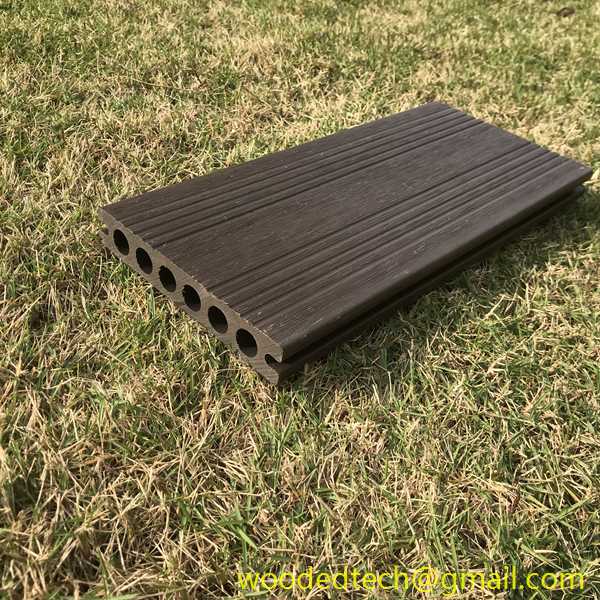
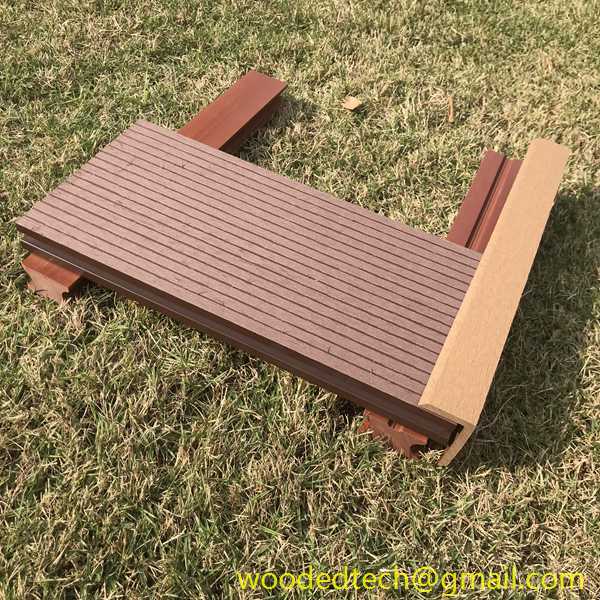
Die Wahl des richtigen Deckingmaterials ist sowohl für Wohn- als auch für Gewerbeprojekte unerlässlich.Unter den verfügbaren Optionen zeichnet sich ein 300mm breiter Verbundbelag durch seine Mischung aus Haltbarkeit und ästhetischer Anziehungskraft aus.Wenn neben Naturholz platziert, werden die Unterschiede deutlich.Während Holzdecking oft für seine visuelle Wärme und sein traditionelles Gefühl gelobt wird, hat es erhebliche Nachteile.Natürliches Holz erfordert regelmäßige Wartung, einschließlich Flecken, Versiegeln und Schleifen, um Fäulnis und Verfall zu verhindern.Im Gegensatz dazu ist Composite-Decks entwickelt, um diesen Problemen zu widerstehen, was eine minimale Wartung erfordert.Dies bedeutet weniger Zeit für Wartung und mehr Zeit für den Genuss Ihres Außenbereichs.
Natürliches Holz ist anfällig für Splitter, Verzug und Verblassen durch Sonneneinstrahlung.Diese Probleme stellen erhebliche Sicherheitsbedenken drehbar dar, insbesondere in stark frequentierten Bereichen, in denen nackte Füße gefährdet sein können.Verkappte WPC oder Holzkunststoff-Verbundwerkstoff beseitigt diese Bedenken mit einer Schutzschicht, die vor Splittern und Feuchtigkeitseindringen schützt.Dies macht 300mm breite Verbunddecks zu einer zuverlässigeren Wahl für Familien und Unternehmen gleichermaßen, die sowohl Sicherheit als auch visuelle Anziehungskraft haben.
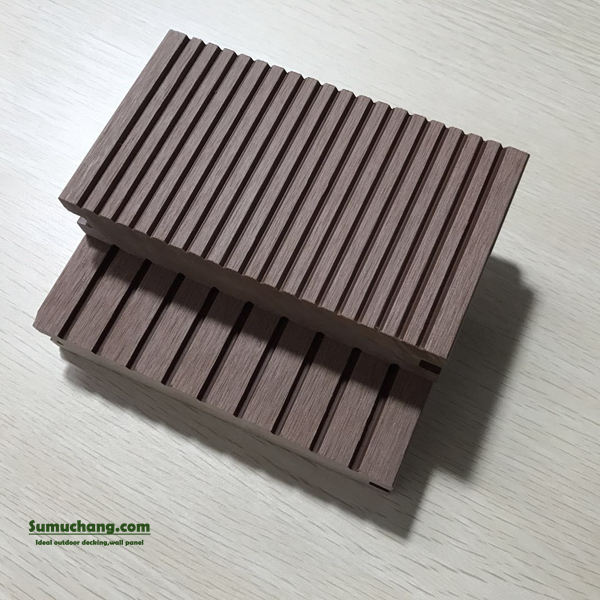
Lebensdauer Vergleich: 300mm Wide Composite Decking vs Holz
Bei der Bewertung der Lebensdauer hat 300mm breite Verbunddecks einen klaren Vorteil gegenüber Naturholz.Während gut gewartetes Holz zwischen 10 und 15 Jahren halten kann, können zusammengesetzte Alternativen diese Lebensdauer leicht verdoppeln, oft über 25 Jahre.Diese Langlebigkeit ist nicht nur auf die verwendeten Materialien zurückzuführen, sondern auch auf das innovative Co-Extrusionsverfahren, das die Holzfasern einkapselt und eine zusätzliche Schutzschicht gegen die Elemente bietet.Infolgedessen behält Composite-Decking sein Aussehen und seine strukturelle Integrität länger als Holz, was Umweltfaktoren wie Feuchtigkeit und UV-Strahlen erliegen kann.
Diese verlängerte Lebensdauer führt direkt zu Kosteneinsparungen.Obwohl die anfängliche Investition für Verbundbelage höher sein kann als die von Holz, macht der reduzierte Bedarf an Ersatz und Reparaturen im Laufe der Zeit es zu einer wirtschaftlicheren Wahl.Weniger Ressourcen, die für die Instandhaltung aufgewendet werden, gepaart mit der Langlebigkeit des Materials, bedeuten, dass 300mm breite Verbunddecks ein überzeugendes Gesamtwertversprechen bieten.
Wartungsanforderungen von Composite Decking
Eine der herausragenden Eigenschaften von 300mm breiten Verbunddecks ist der geringe Wartungsbedarf.Traditionelle Holzterrassen erfordern oft jährliche Behandlungen, von der Färbung bis zur Versiegelung, um sicherzustellen, dass sie in gutem Zustand bleibt.Diese Prozesse können arbeitsintensiv und kostspielig sein und sich im Laufe der Jahre erheblich summieren.Im Gegensatz dazu erfordert verkappte Verbunddecks wenig mehr als die gelegentliche Wäsche mit Seife und Wasser, um Schmutz und Schmutz zu entfernen.
Darüber hinaus eliminiert die inhärente Beständigkeit von Verbundmaterialien gegen Feuchtigkeit und Schädlinge die Notwendigkeit für chemische Behandlungen, die typischerweise für natürliches Holz erforderlich sind.Dies schützt nicht nur die Terrassendiene selbst, sondern fördert auch die Umgebung und macht sie zu einer nachhaltigeren Wahl.Für viel befahrene Hausbesitzer und gewerbliche Hausverwalter ist diese Wartungsfreundlichkeit zunehmend attraktiv.
Kosten-Effektivität Im Laufe Der Zeit
In Anbetracht der Gesamtbetriebskosten bietet sich ein klareres Bild des realen Werts von 300mm breiten Verbunddecks.Während der anfängliche Kaufpreis höher als Holz sein kann, überwiegen die langfristigen Vorteile bei weitem die Vorlaufkosten.Reduzierte Wartung, weniger Austausch und erhöhte Langlebigkeit tragen zu den allgemeinen Einsparungen bei.Wenn Sie das reduzierte Risiko von Splittern und die ästhetische Langlebigkeit von begrenztem WPC berücksichtigen, wird die finanzielle Begründung offensichtlich.
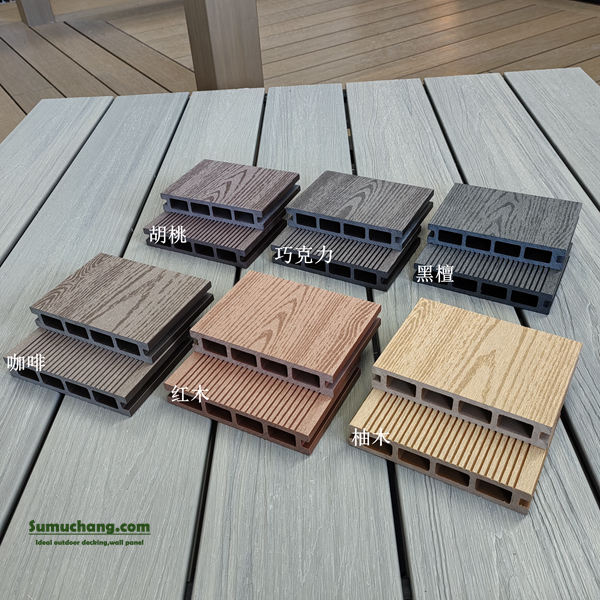
Sowohl für Wohn- als auch für Gewerbeprojekte zahlt sich die langfristige Investition in Verbunddecks häufig aus.Immobilienbesitzer können ihre Räume genießen, ohne sich ständig um Reparaturen und Ersatz zu kümmern, die natürlichen Materialien zugeschrieben werden.Da Wohnräume im Freien immer beliebter werden, kann die Bedeutung der Wahl einer langlebigen und pflegeleichten Decking-Option nicht überbewertet werden.
Die ästhetische Anziehungskraft von Composite Decking
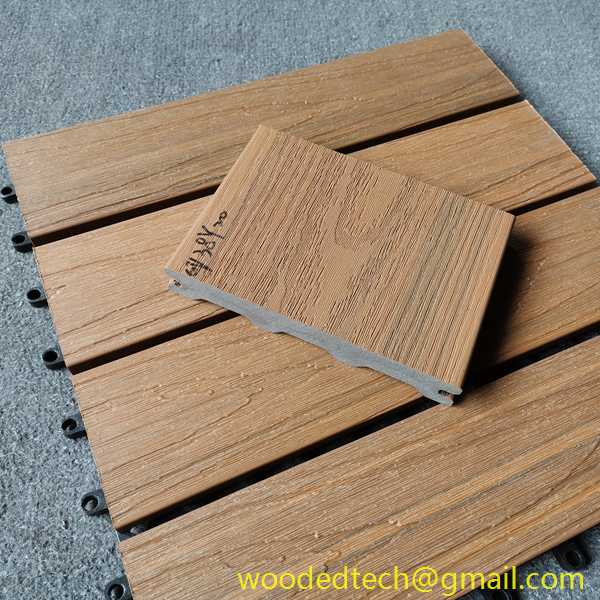
Ein weiterer wichtiger Aspekt ist das Erscheinungsbild von 300mm breiten Verbunddecks.Fortschritte in der Fertigungstechnologie haben die Herstellung von Verbundwerkstoffen ermöglicht, die das Aussehen von Naturholz genau nachahmen.Erhältlich in einer Vielzahl von Farben und Texturen, können Verbunddecks jeden architektonischen Stil ergänzen, von traditionell bis modern.
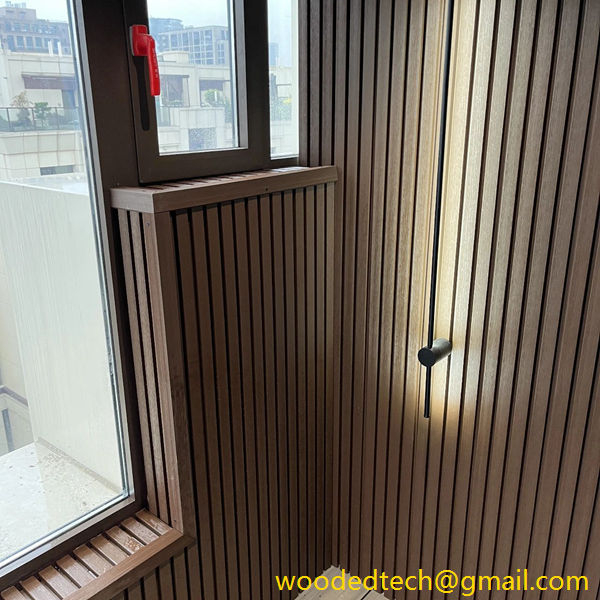
Diese Vielseitigkeit ist besonders vorteilhaft in kommerziellen Umgebungen, wo ein professionelles Erscheinungsbild im Vordergrund steht.Die Fähigkeit, dieses Erscheinungsbild ohne signifikanten Unterhalt aufrechtzuerhalten, erhöht den Gesamtwert einer Immobilie.Mit Trends, die zunehmend zum Leben im Freien neigen, ist die Investition in attraktive, langlebige Decking-Lösungen ein kluger Schachzug für jeden Eigentümer.