 Deutsch
  English
  Español
  Français
  Português
  Italiano
  Русский
  العربية
  简体中文
简体中文  香港中文
香港中文  한국어
한국어  日本語
日本語  Türkçe
  Nederlands
  Bahasa Indonesia
 Arten von Holz-Kunststoff-Verbundwerkstoff für verschiedene Klima
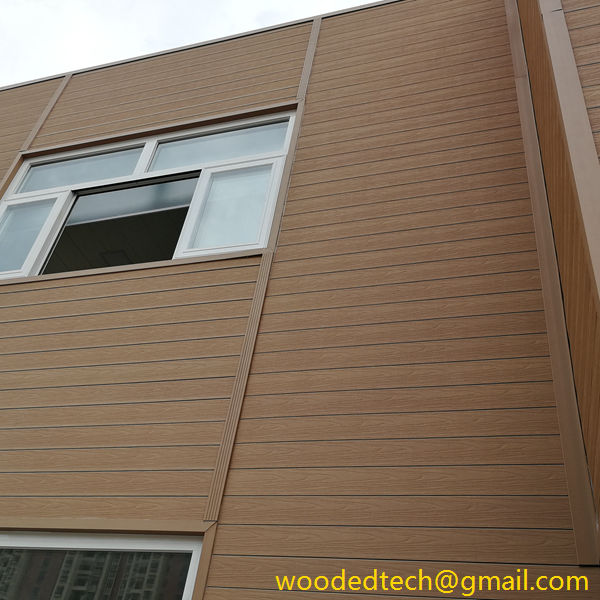
Holzkunststoff-Verbundwerkstoff (WPC) hat sich insbesondere aufgrund seiner Anpassungsfähigkeit an verschiedene Klimazonen schnell zu einer gefragten Lösung für Outdoor-Bauprojekte entwickelt.Verschiedene Arten von Holzkunststoff-Verbundwerkstoffen sind so konzipiert, dass sie den einzigartigen Herausforderungen von heißen, feuchten, Küsten-, Gefrier- und Hoch-UV-Umgebungen gerecht werden.Sie kombinieren die natürliche Ästhetik von Holz mit der Haltbarkeit von Kunststoff, was zu Materialien führt, die den Elementen standhalten und gleichzeitig ihr Aussehen und ihre strukturelle Integrität bewahren.
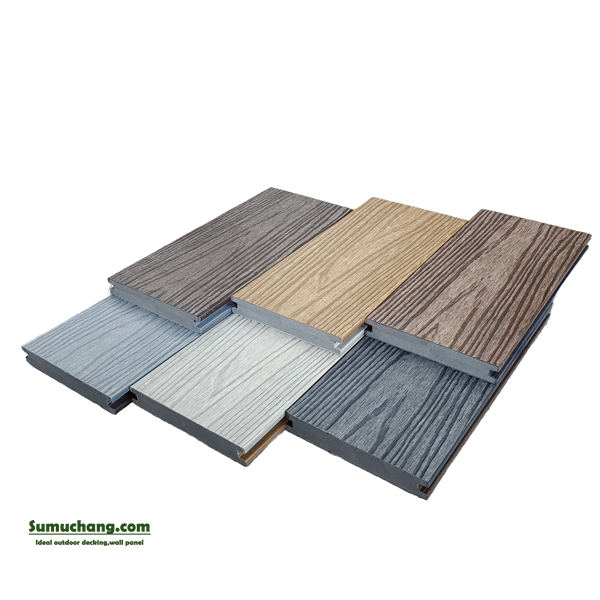
Zum Beispiel werden verkappte WPC-Decking-Produkte mit einer schützenden Polymerhülle hergestellt, die ihre Beständigkeit gegen Feuchtigkeit, UV-Strahlen und täglichen Verschleiß verbessert.Damit eignen sie sich besonders für Küstenregionen, in denen Salzluft und Luftfeuchtigkeit Standardholzprodukte schnell verschlechtern können.In gefrierenden Klimazonen ist die Dimensionsstabilität von gekapptem WPC ein wesentlicher Vorteil, da sie Verzerrungen und Rissen widersteht, die häufig traditionelles Holz in Temperaturschwankungen befallen.
Dimensionsstabilität In Verschiedenen Umgebungen
Eines der herausragenden Merkmale von Kunststoff-Verbundwerkstoffen aus gekapptem Holz ist ihre außergewöhnliche Dimensionsstabilität.Im Gegensatz zu herkömmlichem Holz dehnt sich WPC nicht mit Temperatur- und Feuchtigkeitsänderungen signifikant aus oder schrumpft erheblich.Diese Eigenschaft macht es zu einer idealen Wahl für Outdoor-Projekte, die verschiedene Wetterbedingungen ertragen müssen.In heißen und feuchten Klimazonen wird das Risiko von Verzerrungen drastisch reduziert, um sicherzustellen, dass die Decks und die Verkleidung ihre beabsichtigte Form und Funktion beibehalten.
Darüber hinaus weisen gekappte WPC-Boards in Gebieten, in denen es zu Gefriertemperaturen kommt, einen minimalen Schrumpfung auf, was das ganze Jahr über eine konstante Leistung ermöglicht.Diese Stabilität ist für die Aufrechterhaltung der strukturellen Integrität von Außenanlagen unerlässlich, insbesondere kommerzielle Projekte, die eine strikte Einhaltung von Sicherheitsstandards und ästhetischer Konsistenz erfordern.
Rutschfestigkeit und Sicherheitsleistungen
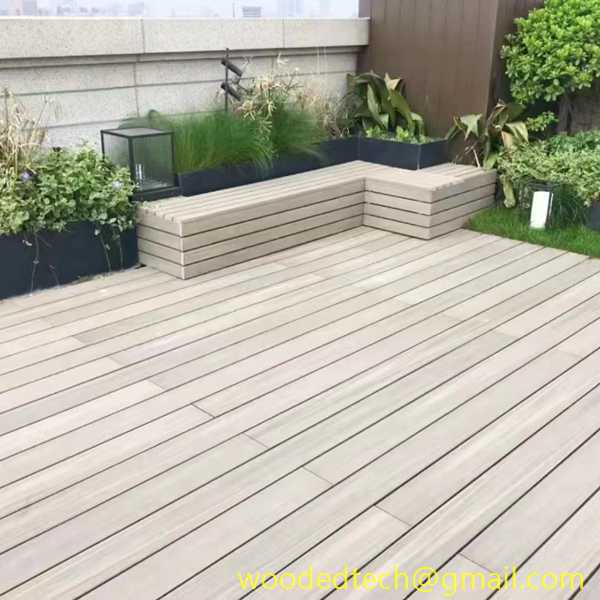
Ein weiteres wesentliches Merkmal von Holzkunststoff-Verbundwerkstoffen ist ihre Rutschfestigkeit, die besonders bei nassen oder eisigen Bedingungen von entscheidender Bedeutung ist.Viele Arten von verdeckten WPC-Produkten verfügen über strukturierte Oberflächen, die den Griff verbessern und die Wahrscheinlichkeit von Rutschen und Stürzen verringern.Diese Eigenschaft ist von unschätzbarem Wert für öffentliche Räume wie Parks, Gehwege und Poolbereiche, in denen Sicherheit oberste Priorität hat.

Darüber hinaus bedeuten die inhärenten Eigenschaften von WPC, dass es nicht wie traditionelles Holz splittert, was es zu einer sichereren Option für stark frequentierte Bereiche macht.Diese Sicherheitsmerkmale machen neben ihrem geringen Wartungsaufwand Kunststoff-Verbundwerkstoffe aus verkapptem Holz zu einer attraktiven Wahl für Wohn- und gewerbliche Outdoor-Bauprojekte.
Niedrige Wartungsvorteile von Capped WPC
Ein weiterer ansprechender Aspekt von Kunststoff-Verbundprodukten aus verdecktem Holz ist der geringe Wartungsbedarf.Im Gegensatz zu herkömmlichem Holz, das regelmäßige Flecken, Versiegelung und Behandlung zum Schutz vor Verfall und Insektenbefall erfordert, kann ein gekappter WPC mit einfacher Seife und Wasser gereinigt werden.Diese einfache Wartung ist besonders vorteilhaft in kommerziellen Umgebungen, wo die Reduzierung von Ausfallzeiten von entscheidender Bedeutung ist.

Die langlebige Natur des gekappten WPC bedeutet auch, dass weniger häufiger Ersatz benötigt wird, was die Wirtschaftlichkeit für internationale Käufer weiter erhöht.Durch die Wahl von WPC für Outdoor-Projekte können Unternehmen in Materialien investieren, die nicht nur gut funktionieren, sondern auch zu langfristigen Einsparungen beitragen.
Umwelterhinrungen bei der Auswahl von WPC
Die Entscheidung für Holzkunststoff-Verbundwerkstoffe stimmt auch mit dem wachsenden Umweltbewusstsein der Verbraucher und Unternehmen überein.Viele Arten von Holzkunststoffverbundwerkstoffen werden aus recycelten Materialien hergestellt, was zu nachhaltigen Baupraktiken beiträgt.Dieser umweltfreundliche Aspekt wird für Käufer, die Nachhaltigkeit in ihren Projekten priorisieren, immer wichtiger.
Darüber hinaus erfordern WPC-Produkte keine schädlichen chemischen Behandlungen, was ihren ökologischen Fußabdruck reduziert und sie sowohl für Benutzer als auch für Wildtiere sicherer macht.Durch die Auswahl von verkappten WPCs für Outdoor-Anwendungen können Unternehmen ihre Gebäudeanforderungen erfüllen und sich aktiv an einer umweltbewussten Entwicklung beteiligen.