 Deutsch
  English
  Español
  Français
  Português
  Italiano
  Русский
  العربية
  简体中文
简体中文  香港中文
香港中文  한국어
한국어  日本語
日本語  Türkçe
  Nederlands
  Bahasa Indonesia
 Wandkunststoffplatten erfreuen sich aufgrund ihrer einzigartigen Eigenschaften, insbesondere ihrer Langlebigkeit und ihres geringen Gewichts, zunehmender Beliebtheit in verschiedenen Marktanwendungen. Diese Paneele bieten eine hervorragende Lösung für eine Reihe von Branchen, darunter das Baugewerbe, die Innenarchitektur und sogar die Automobilindustrie. Die Verlagerung hin zu nachhaltigen und effizienten Materialien beeinflusst die Markttrends, und die Einführung von Wandpaneelen aus Kunststoff ist ein deutliches Zeichen für diese Bewegung.
Einer der wichtigsten Vorteile von Wandpaneelen aus Kunststoff ist ihr geringes Gewicht. Im Gegensatz zu traditionellen Materialien wie Holz und Metall, die schwerfällig sein können und zusätzliche strukturelle Unterstützung erfordern, sind Kunststoffplatten einfacher zu handhaben und zu installieren. Dieses geringe Gewicht senkt nicht nur die Arbeitskosten, sondern minimiert auch die Transportkosten. Bauunternehmen und Innenarchitekten erkennen zunehmend die Vorteile der Verwendung von Materialien, die leicht zu handhaben sind, insbesondere bei Projekten, bei denen die Zeit eine wichtige Rolle spielt.
Die Langlebigkeit von Wandpaneelen aus Kunststoff ist ein weiterer überzeugender Faktor, der zu ihrer wachsenden Marktpräsenz beiträgt. Diese Paneele sind so konzipiert, dass sie Verschleißerscheinungen standhalten und sich daher für stark beanspruchte Bereiche eignen. Sie sind feuchtigkeitsbeständig, was besonders in Umgebungen wie Bädern, Küchen und Kellern wichtig ist. Herkömmliche Wandmaterialien werden oft durch Wasser beschädigt, was zu kostspieligen Reparaturen und Ersatzbeschaffungen führt. Im Gegensatz dazu behalten Kunststoffpaneele ihre Integrität im Laufe der Zeit und bieten eine langlebige Lösung, die dem Wunsch des modernen Verbrauchers nach Wertigkeit und Nachhaltigkeit entgegenkommt.

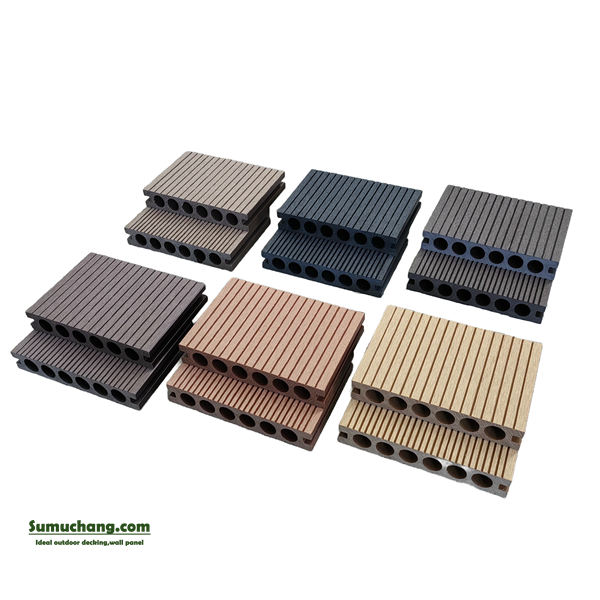
Zusätzlich zu ihren praktischen Vorteilen sind Wandpaneele aus Kunststoff in einer Vielzahl von ästhetischen Optionen erhältlich. Die Vielseitigkeit des Designs ermöglicht eine individuelle Anpassung an verschiedene Themen und Stile. Ganz gleich, ob es sich um einen eleganten, modernen Look oder einen rustikalen Charme handelt, diese Paneele können so hergestellt werden, dass sie verschiedenen Designvorlieben entsprechen. Diese Flexibilität spricht Architekten und Designer an, die visuell ansprechende Räume schaffen wollen, ohne Kompromisse bei der Funktionalität einzugehen. Die Möglichkeit, Farbe, Textur und Muster in Kunststoff-Wandpaneele zu integrieren, ermöglicht innovative Designlösungen, die den einzigartigen Anforderungen jedes Projekts gerecht werden.
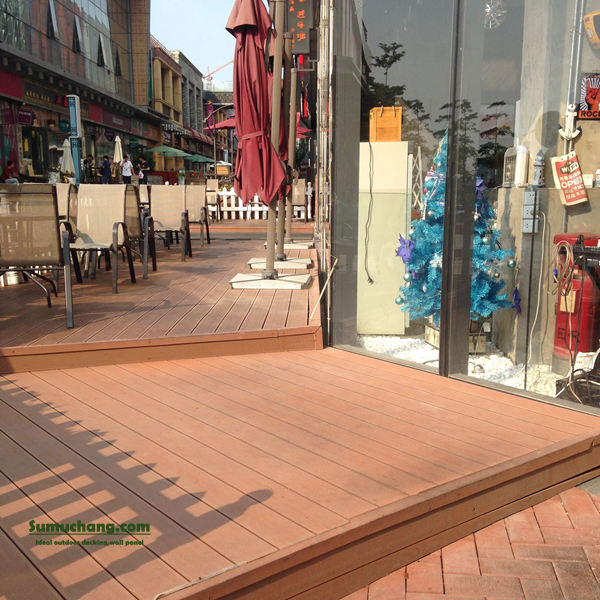
Der Markt für Wandkunststoffplatten wird durch technologische Fortschritte, die ihre Leistung verbessern, weiter gestärkt. So entwickeln die Hersteller kontinuierlich neue Rezepturen, die die Widerstandsfähigkeit der Platten gegenüber UV-Strahlen verbessern, so dass sie auch für Außenanwendungen geeignet sind. Dieser Fortschritt eröffnet neue Möglichkeiten in Bereichen wie Außenwohnbereichen, gewerblichen Fassaden und sogar Gartenstrukturen. Die Fähigkeit, diese Platten in verschiedenen Umgebungen zu verwenden, zeigt ihre Anpassungsfähigkeit und fördert ihre Verwendung in verschiedenen Bereichen.

Nachhaltigkeit ist ein weiterer entscheidender Faktor, der die Nachfrage nach Wandkunststoffplatten antreibt. Da die Verbraucher immer umweltbewusster werden, wächst die Vorliebe für Materialien, die recycelbar sind und in umweltfreundlichen Verfahren hergestellt werden. Viele Hersteller reagieren auf diese Nachfrage, indem sie Platten entwickeln, die recycelte Materialien enthalten und so Abfall und Energieverbrauch reduzieren. Dieser Wandel hin zu nachhaltigen Praktiken spricht nicht nur umweltbewusste Verbraucher an, sondern steht auch im Einklang mit staatlichen Vorschriften zur Förderung umweltfreundlicherer Baumaterialien.
Die Installation von Wandpaneelen aus Kunststoff ist relativ einfach, was sie sowohl für Heimwerker als auch für professionelle Bauunternehmer zu einer attraktiven Option macht. Ihr geringes Gewicht bedeutet, dass weniger Werkzeuge und weniger Ausrüstung benötigt werden, was den gesamten Prozess vereinfacht. Diese einfache Installation führt zu niedrigeren Arbeitskosten und kürzeren Projektdurchlaufzeiten. Für Unternehmen, die ihre Abläufe optimieren wollen, kann die Verwendung von Wandpaneelen aus Kunststoff zu erheblichen Einsparungen und erhöhter Effizienz führen.
Die Marktanwendung von Wandpaneelen aus Kunststoff geht über den Wohnbereich hinaus. Sie werden zunehmend in gewerblichen Räumen eingesetzt, insbesondere im Einzelhandel und im Gastgewerbe. Aufgrund ihrer Langlebigkeit und Designvielfalt eignen sie sich ideal für die Gestaltung ansprechender und funktionaler Räume, die den täglichen Beanspruchungen standhalten. Von Akzentwänden in Restaurants bis hin zu Displays in Einzelhandelsgeschäften bieten diese Platten eine moderne Lösung, die das Gesamterlebnis des Kunden verbessert.
Außerdem können Wandpaneele aus Kunststoff zur Verbesserung der Luftqualität in Innenräumen beitragen. Im Gegensatz zu herkömmlichen Materialien, die flüchtige organische Verbindungen freisetzen können, werden viele Kunststoffpaneele aus emissionsarmen Materialien hergestellt, was sie zu einer gesünderen Wahl für Innenräume macht. Dieser Aspekt ist besonders in Schulen, Krankenhäusern und Büros wichtig, wo die Luftqualität eine Priorität darstellt. Durch die Wahl von Wandpaneelen aus Kunststoff können Unternehmen sichere und gesunde Räume für ihre Mitarbeiter schaffen.
Die Zukunft von Wandpaneelen aus Kunststoff auf dem Markt scheint vielversprechend. Da sich die Technologie weiter entwickelt, können wir weitere Verbesserungen in Bezug auf Leistung, Design und Nachhaltigkeit erwarten. Die Hersteller werden wahrscheinlich neue Materialien und Produktionsmethoden erforschen, die die Möglichkeiten dieser Platten erweitern und sie für noch mehr Anwendungen geeignet machen. Da die Bauindustrie zunehmend auf modulare Bauweise und Vorfertigung setzt, wird die Rolle von Wandpaneelen aus Kunststoff wahrscheinlich noch wichtiger werden.
In verschiedenen Bereichen wird die Nachfrage nach dauerhaften und leichten Lösungen weiter steigen. Wandpaneele aus Kunststoff sind eine praktische Wahl, die diese Anforderungen erfüllt und gleichzeitig ästhetisch ansprechend ist. Ihre zahlreichen Vorteile machen sie zu einer bevorzugten Option für alle, die ihre Räume effizient und nachhaltig verschönern wollen. Die zunehmende Verwendung dieser Platten spiegelt einen allgemeinen Trend zu innovativen Materialien wider, bei denen sowohl die Funktionalität als auch das Design im Vordergrund stehen, und macht sie zu einem wichtigen Akteur in der sich entwickelnden Landschaft des Bauwesens und der Innenarchitektur.