 Français
  English
  Español
  Português
  Deutsch
  Italiano
  Русский
  العربية
  简体中文
简体中文  香港中文
香港中文  한국어
한국어  日本語
日本語  Türkçe
  Nederlands
  Bahasa Indonesia
 Création de coins de 45 degrés dans le decking composite
L'élaboration de coins composites de 45 degrés nécessite un mélange de précision et de créativité, garantissant que chaque angle améliore à la fois les aspects esthétiques et fonctionnels des espaces extérieurs.Le processus commence généralement par des mesures précises et les bons outils, car la précision est essentielle pour obtenir une finition sans couture.Lorsque vous travaillez avec des matériaux composites, il est important de tenir compte de facteurs tels que l'expansion et la contraction, en particulier dans des conditions météorologiques variables.Le choix d'un produit de terrasse composite fiable conçu pour les coupes complexes facilitera considérablement le processus d'installation, permettant des angles propres et nets qui élèvent la conception globale.
Lors de la coupe des planches de terrasse pour les coins de 45 degrés, l'utilisation d'une scie à onglets fournira les coupes les plus précises.Cela garantit que chaque planche s'adapte étroitement contre la pièce attenante, créant ainsi une apparence professionnelle.Les trous de pré-perçage avant la fixation peuvent empêcher le fractionnement, un problème courant avec les matériaux composites.Lors de la fixation des planches, il est bénéfique d’utiliser des fixations cachées qui maintiennent une ligne propre sur la surface, permettant à la beauté du composite bois-plastique de prendre le devant de la scène.
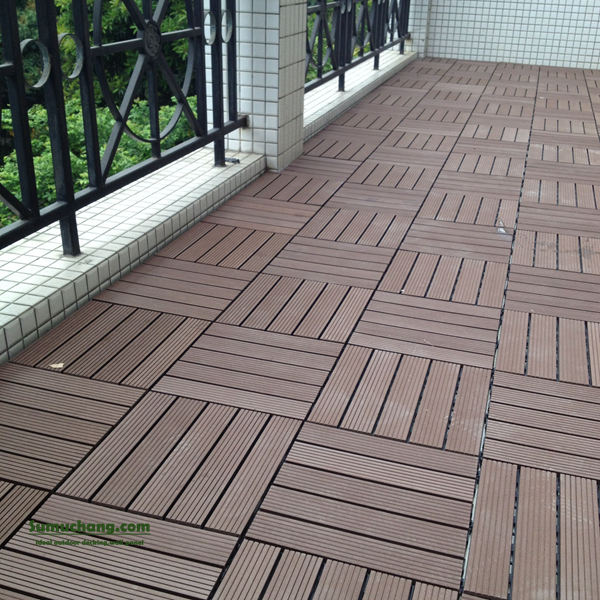
Les avantages environnementaux du WPC extérieur
Le composite extérieur bois-plastique (WPC) est considéré comme une alternative écologique au terrassement en bois traditionnel en raison de son utilisation de matériaux recyclés.Généralement fabriqué à partir d'une combinaison de fibres de bois recyclées et de plastique, WPC réduit considérablement la demande de bois vierge, conservant ainsi les ressources forestières.Cela contribue non seulement à lutter contre la déforestation, mais contribue également à réduire l’empreinte carbone associée à la production et au transport de nouveaux produits du bois.
De plus, la durabilité de WPC se distingue par rapport au bois conventionnel.Le terrassement composite est résistant à la pourriture, au défortage et à l'éclatement, ce qui prolonge non seulement sa durée de vie, mais diminue également la fréquence des remplacements.Par conséquent, l'utilisation de WPC contribue à la durabilité en minimisant les déchets générés par les matériaux de terrasses jetés ou détériorés.L'aspect à faible entretien du terrassement composite améliore encore ses références en matière d'environnement, car il ne nécessite aucun traitement chimique ou revêtement qui pourrait nuire à l'écosystème.
Durabilité et avantages de faible maintenance
Les propriétés inhérentes aux matériaux composites signifient qu'ils peuvent résister aux rigueurs de l'exposition extérieure.Contrairement au bois traditionnel, WPC est conçu pour résister à la décoloration, à la coloration et à la moisissure, ce qui en fait un choix idéal pour les environnements extérieurs qui sont soumis à des conditions météorologiques extrêmes.Cette résilience se traduit par une solution de terrasse qui non seulement a fière allure, mais qui fonctionne également bien au fil du temps.Les propriétaires et les concepteurs apprécient qu'ils puissent profiter de la beauté du bois sans l'entretien constant associé à la terrasse en bois naturel.
Les faibles exigences de maintenance font en outre du WPC un choix attrayant.Le nettoyage de terrasses composites n'implique généralement rien de plus qu'un simple lavage avec du savon et de l'eau, évitant les tracas de ponçage, d'étanchéité ou de coloration que le bois exige.Cette facilité de prise en charge permet non seulement d’économiser du temps pour les propriétaires, mais réduit également la quantité de produits chimiques agressifs entrant dans l’environnement, en s’alignant sur un mode de vie plus durable.
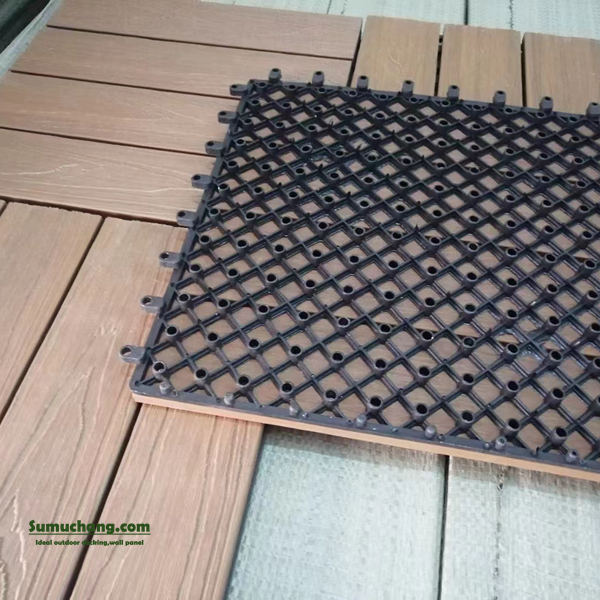
Améliorer l'attrait esthétique avec le decking composite
En plus de ses avantages environnementaux, la terrasse composite offre une polyvalence dans la conception, permettant une expression créative dans les espaces extérieurs.La variété de couleurs, de textures et de finitions disponibles signifie que les propriétaires peuvent obtenir l'apparence du bois naturel tout en profitant des avantages pratiques de WPC.Lors de la création de coins composites de 45 degrés, l'attrait esthétique est encore amélioré grâce à des choix de conception réfléchis, tels que l'intégration de divers tons ou motifs qui mettent en évidence les angles et les transitions.
L'intégration de caractéristiques telles que l'éclairage intégré ou les éléments décoratifs autour des coins peut élever l'apparence générale du pont, ce qui en fait un beau point focal dans n'importe quel cadre extérieur.En choisissant des matériaux composites, les concepteurs peuvent créer en toute confiance des environnements extérieurs époustouflants qui mélangent la fonctionnalité avec l’attrait visuel, contribuant ainsi à un espace à la fois invitant et durable.
L'avenir des solutions de terrasse durable
La tendance croissante à la durabilité dans la construction a fait du terrassement composite un choix de plus en plus populaire parmi les architectes et les constructeurs.À mesure que la technologie progresse, la production de WPC continue d’évoluer, avec des innovations visant à améliorer la durabilité et à réduire l’impact environnemental.L’avenir de la terrasse composite semble prometteur, car de plus en plus de consommateurs prennent conscience des avantages qu’elle apporte, non seulement chez eux, mais aussi à la planète.
En tant que spécialistes des matériaux de construction durables qui plaident en faveur de l’adoption généralisée de produits composites, l’accent reste mis sur la création d’espaces extérieurs non seulement fonctionnels mais aussi respectueux de l’environnement.Grâce à une sélection minutieuse de matériaux et de techniques d'installation professionnelles, telles que l'élaboration de coins de 45 degrés de terrasse composite précis, le rêve de beaux espaces de vie extérieurs durables peut devenir une réalité.