 Français
  English
  Español
  Português
  Deutsch
  Italiano
  Русский
  العربية
  简体中文
简体中文  香港中文
香港中文  한국어
한국어  日本語
日本語  Türkçe
  Nederlands
  Bahasa Indonesia
 Avantages de la terrasse composite pour les propriétaires
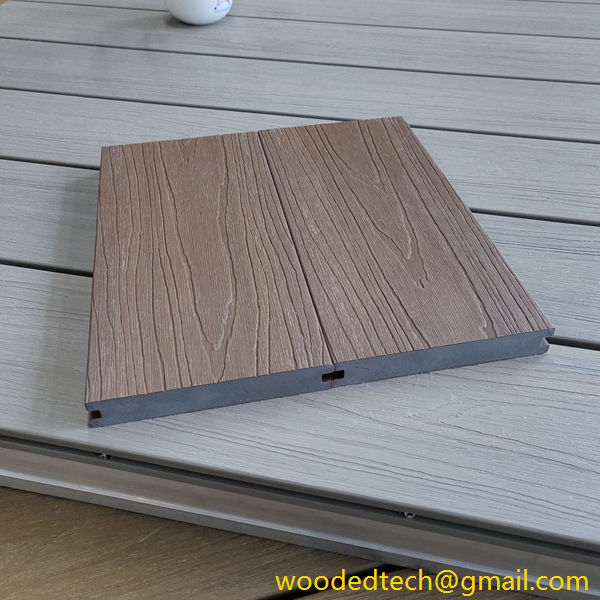
Le terrassement composite a gagné une traction importante parmi les propriétaires à la recherche de solutions extérieures durables et à faible entretien.L'un des principaux avantages est sa résistance à la pourriture, à l'éclatement et aux dommages causés par les insectes, qui sévissent souvent sur les terrasses en bois traditionnelles.Cette longévité signifie que les propriétaires peuvent profiter de leurs espaces extérieurs sans l’entretien constant associé au bois, comme la coloration ou l’étanchéité.En outre, les matériaux composites peuvent résister à diverses conditions météorologiques, ce qui les rend adaptés à divers climats.
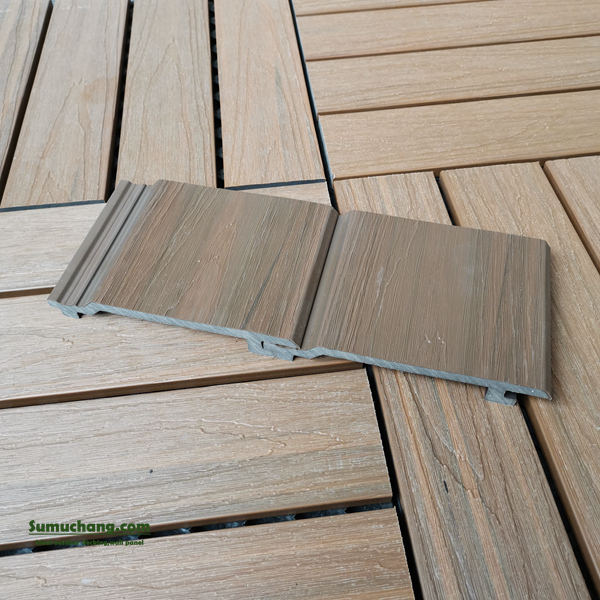
Un autre avantage notable est la polyvalence esthétique de la terrasse composite.Disponible dans une large gamme de couleurs et de textures, il peut imiter l'apparence du bois naturel tout en offrant une durabilité supplémentaire.Cette flexibilité permet aux architectes et aux paysagistes de créer des environnements extérieurs visuellement attrayants qui s’intègrent parfaitement à l’architecture et aux paysages existants.
Considérations de maintenance pour le terrasse composite
L'un des avantages de terrasse composite convaincants est sa faible exigence de maintenance.Contrairement au bois, qui nécessite une peinture, une coloration et une étanchéité régulières, le terrassement composite n'a généralement besoin que d'un nettoyage occasionnel avec du savon et de l'eau.Cette facilité d’entretien séduit les propriétaires occupés qui préfèrent passer leur temps à profiter de leurs espaces extérieurs plutôt que de les entretenir.En outre, les matériaux composites sont résistants à l'évanouillement, garantissant que la couleur reste vibrante pour les années à venir.

Cependant, des inconvénients potentiels existent également.Alors que le terrassement composite est conçu pour être plus durable que les matériaux traditionnels, il n'est pas entièrement imperméable à la coloration.Par exemple, des substances comme le vin, la sauce barbecue ou certains types de feuilles peuvent laisser des marques en surface si elles ne sont pas traitées rapidement.Par conséquent, il est essentiel que les propriétaires tiennent compte des risques potentiels de tache lors de la sélection du terrassement composite et planifient un nettoyage régulier.
Impact environnemental du terrassement composite
Alors que la durabilité continue d’être une priorité pour de nombreux propriétaires, l’impact environnemental des matériaux utilisés dans les espaces extérieurs est de plus en plus examiné.Le terrassement composite est souvent fabriqué à partir de matériaux recyclés, tels que les fibres de bois et le plastique, ce qui réduit la demande de nouvelles ressources et contribue à détourner les déchets des décharges.Cet aspect respectueux de l’environnement fait du terrassement composite un choix attrayant pour ceux qui cherchent à minimiser leur empreinte environnementale tout en améliorant leurs espaces de vie extérieurs.
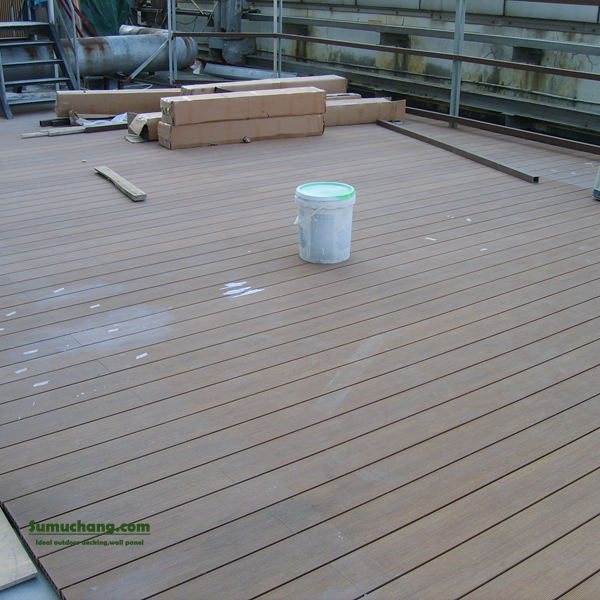
Néanmoins, il est crucial d'évaluer les méthodes de production et l'approvisionnement des matériaux composites.Certains produits peuvent encore impliquer des processus qui ne sont pas entièrement durables.Les propriétaires devraient consulter des ingénieurs paysagistes ou des architectes spécialisés dans les matériaux de construction durables pour s'assurer qu'ils prient des décisions éclairées qui correspondent à leurs valeurs.
Flexibilité de conception et atrait esthétique
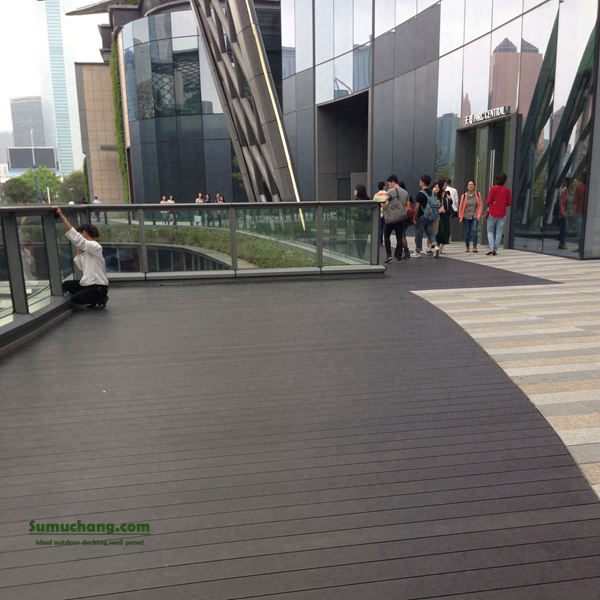
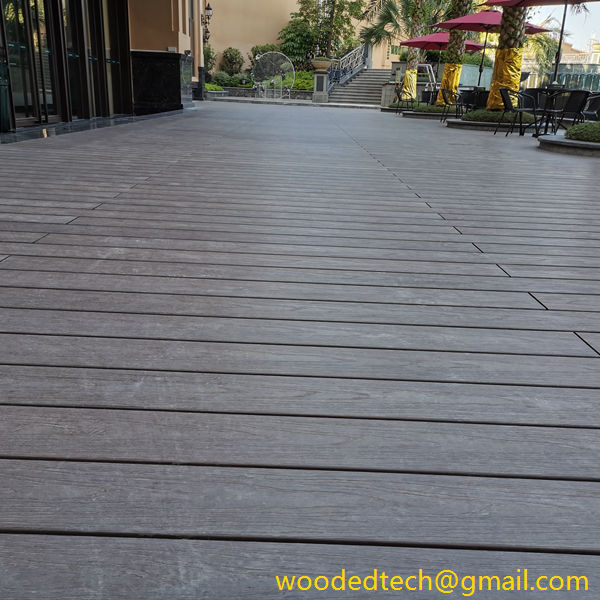
Les architectes et les paysagistes privilégient souvent la terrasse composite pour sa flexibilité de conception.Le matériau peut être découpé et façonné pour s'adapter à divers aménagements, y compris des ponts incurvés ou à plusieurs niveaux, permettant des installations créatives qui améliorent l'esthétique extérieure globale.Avec la possibilité de combiner différentes couleurs et textures, les concepteurs peuvent créer des espaces extérieurs uniques qui reflètent le style personnel du propriétaire.
De plus, la terrasse composite s'intègre bien à d'autres caractéristiques extérieures telles que les garde-corps, les jardinières et les meubles.Cette polyvalence permet une approche de conception cohérente, garantissant que chaque élément de l'espace extérieur fonctionne harmonieusement ensemble.Les propriétaires qui cherchent à créer un patio ou une terrasse accueillante trouveront que les matériaux composites se prêtent à des arrangements innovants et élégants.
Considérations de coûts pour le decking composite
Bien que l’investissement initial dans le platelage composite puisse être plus élevé que celui du bois traditionnel, il est important de tenir compte des économies à long terme associées à sa durabilité et à sa faible maintenance.Les propriétaires constateront souvent que la durée de vie des matériaux composites l'emporte sur les coûts initiaux lors de l'affacturage des dépenses d'entretien et de remplacement réduites.Ces perspectives financières sont essentielles pour ceux qui cherchent à investir judicieusement dans leur environnement extérieur.
De plus, la variété de produits composites disponibles sur le marché signifie que les propriétaires peuvent trouver des options qui correspondent à divers budgets.Travailler avec un ingénieur d'application WPC compétent peut aider les propriétaires à naviguer dans le processus de sélection, en veillant à ce qu'ils choisissent le bon produit qui répond à la fois à leurs aspirations de conception et à leurs considérations financières.