 Bahasa Indonesia
  English
  Español
  Français
  Português
  Deutsch
  Italiano
  Русский
  العربية
  简体中文
简体中文  香港中文
香港中文  한국어
한국어  日本語
日本語  Türkçe
  Nederlands
 Capped WPC vs Kayu Alami
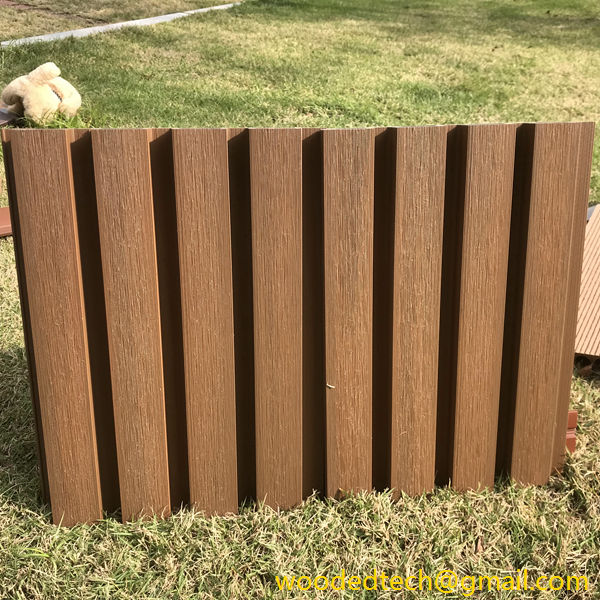
Penghiasan komposit yang digunakan sebagai berpihak menjadi pilihan yang semakin populer bagi pemilik rumah dan pembangun, terutama ketika mempertimbangkan keuntungan yang dimilikinya daripada bahan tradisional seperti kayu alami.Produk komposit plastik kayu yang dibatasi (WPC) dirancang untuk mereplikasi pesona estetika kayu sambil menawarkan daya tahan yang ditingkatkan dan perawatan yang berkurang.Kayu alami, sementara indah, sering membutuhkan pemeliharaan yang signifikan, termasuk penyegelan biasa, lukisan, dan pengobatan terhadap hama.Sebaliknya, WPC yang dibatasi memiliki lapisan luar pelindung yang melindunginya dari kelembaban, sinar UV, dan serangga, secara dramatis mengurangi jumlah pekerjaan yang diperlukan agar tetap terlihat segar.
Kayu alami rentan terhadap isu-isu seperti warping, splitting, dan serpel, terutama di daerah yang tunduk pada kondisi cuaca ekstrem.WPC berpihak, di sisi lain, memiliki risiko yang jauh lebih rendah dari masalah ini karena komposisi mereka direkayasa.Hal ini membuat mereka tidak hanya pilihan yang lebih dapat diandalkan tetapi juga solusi yang lebih hemat biaya dari waktu ke waktu, karena pemilik rumah dapat menghemat sering perbaikan dan penggantian yang terkait dengan kayu.
Pemeliharaan dan Lifespan
Salah satu keuntungan paling signifikan menggunakan penghiasan komposit sebagai siding adalah perawatan minimal yang diperlukan.Tidak seperti kayu, yang menuntut pewarnaan dan penyegelan secara teratur untuk menjaga integritas dan penampilannya, WPC yang dibatasi hanya membutuhkan pembersihan sesekali dengan sabun dan air.Kemudahan pemeliharaan ini sangat menarik bagi pemilik rumah yang sibuk atau manajer properti komersial yang ingin meminimalkan biaya tenaga kerja.Umur WPC yang dibatasi adalah titik kuat lainnya; biasanya berlangsung 25 tahun atau lebih tanpa kehilangan integritas strukturalnya, secara signifikan melampaui kayu tradisional.
Bahkan versi awal produk WPC padat gagal dibandingkan, karena mereka sering tidak memiliki sifat pelindung dari opsi yang dibatasi.Solid WPC dapat menghadirkan masalah dengan penyerapan yang memudar dan kelembaban, yang mengarah ke umur keseluruhan yang lebih pendek.Pemilik rumah yang berinvestasi dalam penghiasan komposit sebagai cara akan menemukan bahwa mereka membuat investasi jangka panjang yang terbayar dalam daya tahan dan mengurangi pemeliharaan.
Pertimbangan Lingkungan
Bagi pembeli yang sadar lingkungan, pilihan antara kayu alami dan bahan komposit juga meluas ke keberlanjutan.Sementara kayu alami dapat diperbarui, praktik penebangan yang berlebihan telah menimbulkan kekhawatiran tentang deforestasi dan perusakan habitat.Capped WPC, bagaimanapun, sering menggabungkan bahan daur ulang, secara efektif mengurangi limbah dan ketergantungan pada sumber kayu perawan.Hal ini membuat penghiasan komposit bukan hanya pilihan praktis tetapi juga yang bertanggung jawab terhadap lingkungan.
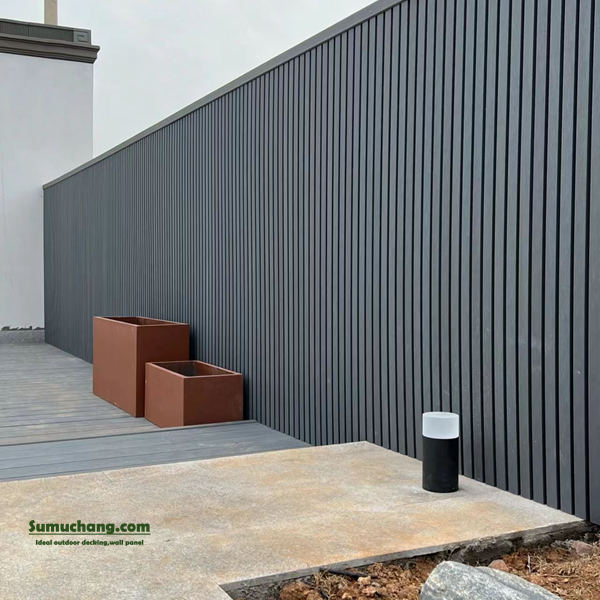
Selain itu, produk WPC dirancang untuk umur panjang, yang berarti bahwa sumber daya yang lebih sedikit diperlukan untuk bahan pengganti dari waktu ke waktu.Energi yang dikeluarkan dalam panen dan pengolahan kayu dapat secara signifikan lebih tinggi daripada untuk memproduksi bahan komposit, membuat WPC pilihan yang menarik bagi mereka yang ingin mengurangi jejak karbon mereka.
Nilai Dari Waktu Ke Waktu
Berinvestasi dalam penghiasan komposit yang digunakan sebagai dinding menawarkan proposisi nilai yang kuat ketika mempertimbangkan biaya jangka panjang yang terkait dengan pemeliharaan dan penggantian.Sementara investasi awal mungkin lebih tinggi daripada kayu alami, persyaratan pemeliharaan yang berkurang dan rentang hidup yang diperpanjang sering menghasilkan total biaya kepemilikan yang lebih rendah.Seiring waktu, penghematan yang diperoleh dari menghindari perawatan rutin, perbaikan, dan penggantian potensial dari sisi kayu dapat menjadi signifikan.
Selanjutnya, daya tarik estetika bahan komposit tidak dapat disangkal; mereka datang dalam berbagai gaya dan selesai yang dapat meningkatkan tampilan keseluruhan properti.Ini tidak hanya menambah nilai ke rumah tetapi juga dapat meningkatkan daya tarik, menjadikannya pilihan yang menarik bagi pembeli potensial jika pemilik memutuskan untuk menjual.
Memilih Bahan yang Tepat
Ketika memutuskan bahan untuk dinding eksterior selesai, menjadi jelas bahwa penghiasan komposit yang digunakan sebagai berpihak memegang banyak keuntungan dibandingkan pilihan tradisional.Kombinasi daya tarik estetika, daya tahan, dan perawatan rendah menjadikannya pilihan bijak untuk proyek bangunan kontemporer.Karena pasar terus berkembang, inovasi dalam teknologi WPC yang dibatasi kemungkinan akan semakin meningkatkan daya tariknya.
Sangat penting bagi pemilik rumah dan pembangun untuk menilai kebutuhan dan lingkungan khusus mereka saat membuat pilihan ini.Mereka yang berada di iklim yang keras akan sangat diuntungkan dari ketahanan bahan komposit, sementara mereka yang mencari perpaduan keindahan dan kepraktisan akan menemukan solusi ideal WPC untuk meningkatkan sifat-sifat mereka.