 Bahasa Indonesia
  English
  Español
  Français
  Português
  Deutsch
  Italiano
  Русский
  العربية
  简体中文
简体中文  香港中文
香港中文  한국어
한국어  日本語
日本語  Türkçe
  Nederlands
 Pencampuran Material untuk Produksi Cladding WPC
Produksi cladding WPC dimulai dengan pemilihan yang cermat dan pencampuran bahan baku.Ini biasanya melibatkan menggabungkan tepung kayu, termoplastik seperti polietilen atau polypropylene, dan berbagai aditif.Mencapai campuran yang tepat sangat penting, karena mempengaruhi sifat fisik dari produk akhir.Misalnya, jenis dan jumlah tepung kayu dapat meningkatkan daya tarik estetika dan kekuatan mekanik dari kelongsong.Kontrol yang tepat selama tahap awal ini memastikan bahwa campuran memenuhi persyaratan khusus untuk aplikasi luar ruangan, di mana daya tahan dan ketahanan terhadap elemen lingkungan sangat penting.
Di Cina, pemasok sering menggunakan mesin canggih untuk proses pencampuran ini, memastikan integrasi menyeluruh bahan.Konsistensi campuran sangat penting; variasi apa pun dapat menyebabkan cacat pada kelongsong yang sudah selesai.Dengan demikian, pemeriksaan kualitas rutin dilakukan untuk menjaga integritas campuran mentah.
Proses Pelet dalam Manufaktur WPC
Setelah bahan dicampur, langkah selanjutnya adalah pelet.Proses ini melibatkan pemanasan campuran untuk suhu tertentu untuk mencairkan komponen termoplastik, diikuti dengan memaksa bahan cair melalui mati untuk membentuk pelet.Pelet ini kemudian didinginkan dan dipotong sedemikian umum, membuatnya lebih mudah untuk diangkut dan ditangani selama fase ekstrusi.Peletizing yang efektif tidak hanya menyederhanakan proses ekstrusi tetapi juga memastikan bahwa pelet mempertahankan komposisi yang konsisten, yang sangat penting untuk mencapai kualitas seragam dalam output akhir.
Dalam konteks sumber kelongsong WPC di China, penting untuk bekerja dengan pemasok yang memiliki proses peletizing yang andal.Variasi dalam ukuran dan kualitas pelet dapat mempengaruhi kinerja ekstrusi dan pada akhirnya kualitas kelongsong yang dihasilkan, menjadikan langkah ini sebagai bagian penting dari keseluruhan proses manufaktur.
Kontrol Suhu Ekstrusi
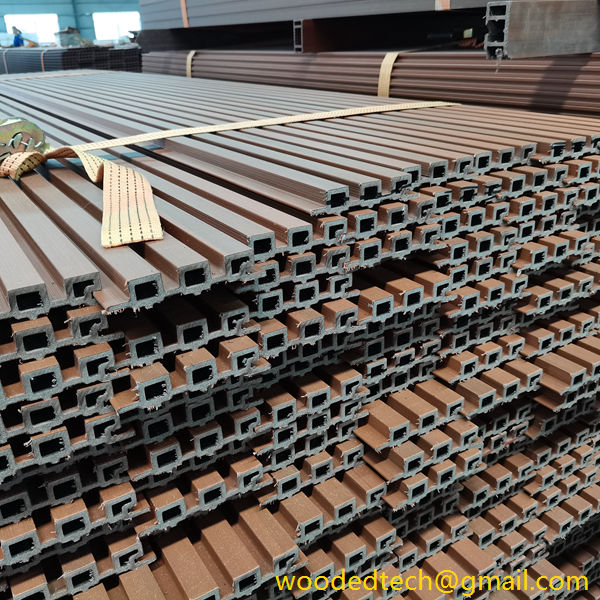
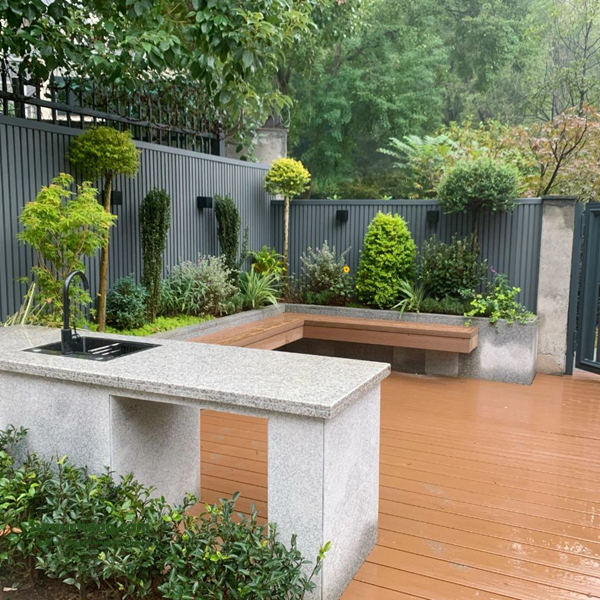
Fase ekstrusi adalah di mana pembentukan sebenarnya dari cladding WPC terjadi.Mengontrol suhu selama ekstrusi sangat penting; suhu yang terlalu tinggi dapat menurunkan material, sementara terlalu rendah dapat menyebabkan karakteristik aliran yang buruk.Insinyur harus hati-hati mengkalibrasi pengaturan extruder untuk memastikan pencairan dan pencampuran material yang optimal selama proses berlangsung.Kontrol ini tidak hanya mempengaruhi sifat fisik kelongsong tetapi juga penampilannya, karena ekstrusi yang tidak merata dapat mengakibatkan cacat permukaan.
Di fasilitas manufaktur Cina, teknologi ekstrusi canggih sering digunakan untuk mempertahankan kontrol suhu yang tepat.Sistem pemantauan diintegrasikan ke dalam mesin, memungkinkan untuk penyesuaian real-time.Ketepatan dalam manajemen suhu ini adalah salah satu alasan mengapa banyak perusahaan mencari kelongsong WPC dari China, karena memastikan standar produksi berkualitas tinggi.
Desain Cetakan untuk Kinerja Optimal
Setelah ekstrusi, bahan memasuki cetakan yang dirancang untuk membentuk kelongsong WPC.Desain cetakan ini sangat penting; harus mengakomodasi ekspansi termal material sambil memastikan bahwa dimensi akhir dari kelongsong memenuhi spesifikasi yang diperlukan.Desain cetakan inovatif juga dapat meningkatkan aspek estetika kelongsong, memungkinkan untuk berbagai tekstur dan hasil akhir.
Kolaborasi dengan insinyur desain cetakan WPC yang berpengalaman sangat penting untuk pemasok, terutama di pasar Cina yang kompetitif.Opsi penyesuaian dapat sangat mempengaruhi keberhasilan suatu proyek, terutama jika cladding dimaksudkan untuk aplikasi perumahan atau komersial kelas atas.Cetakan yang dirancang dengan baik dapat secara signifikan mengurangi limbah dan meningkatkan efisiensi produksi, menjadikannya pertimbangan penting untuk setiap keputusan sumber.
Pendinginan Pasca-Ekstrusi dan Pengobatan Permukaan
Setelah cladding telah diekstrusi, ia mengalami proses pendinginan untuk memperkuat bentuknya.Langkah ini sering melibatkan melewati bahan yang diekstrusi melalui bak air atau sistem pendingin udara.Pendinginan yang tepat diperlukan untuk mencegah warping dan memastikan integritas struktural produk akhir.Pendinginan yang tidak memadai dapat menyebabkan ketidakakuratan dimensi, yang tidak dapat diterima untuk kelongsong WPC berkualitas tinggi.
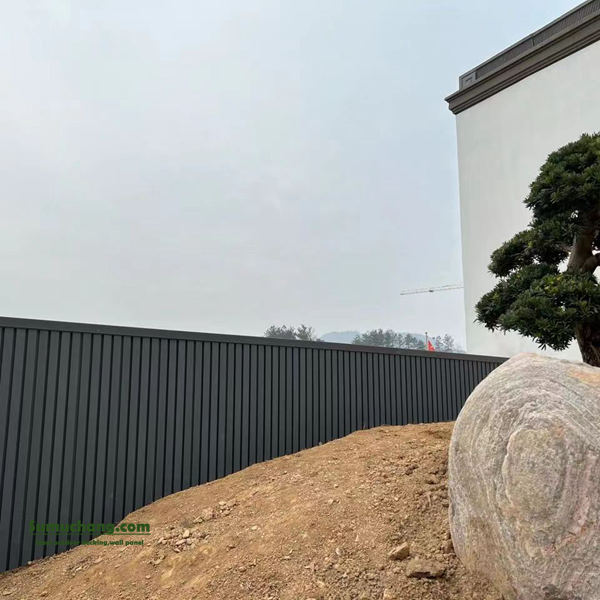
Pengobatan permukaan adalah langkah penting lainnya dalam proses produksi.Ini mungkin termasuk pengamplasan, pelapisan, atau menerapkan aditif untuk meningkatkan ketahanan cuaca dan daya tarik estetika.Perawatan permukaan tidak hanya meningkatkan daya tahan kelongsong tetapi juga memungkinkan untuk berbagai sentuhan akhir yang dapat memenuhi gaya arsitektur yang berbeda.Proses perawatan permukaan yang efektif sering merupakan ciri khas pemasok kelongsong WPC terkemuka di China, memastikan produk mereka kompetitif di pasar global.