 Italiano
  English
  Español
  Français
  Português
  Deutsch
  Русский
  العربية
  简体中文
简体中文  香港中文
香港中文  한국어
한국어  日本語
日本語  Türkçe
  Nederlands
  Bahasa Indonesia
 Esaminare i prezzi di decking composito
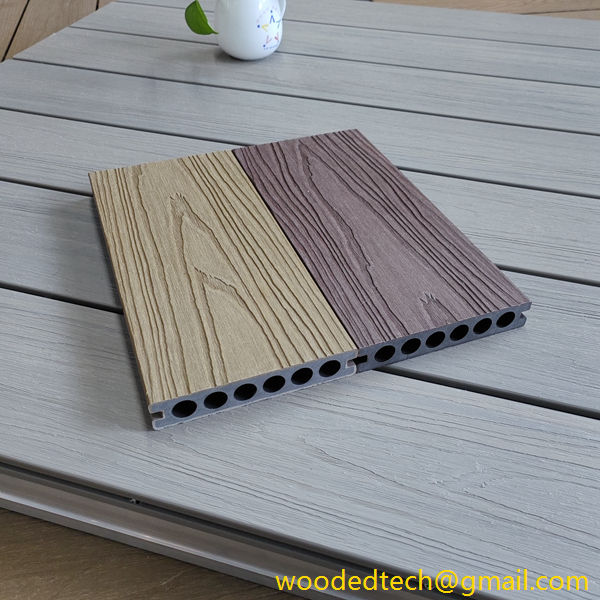
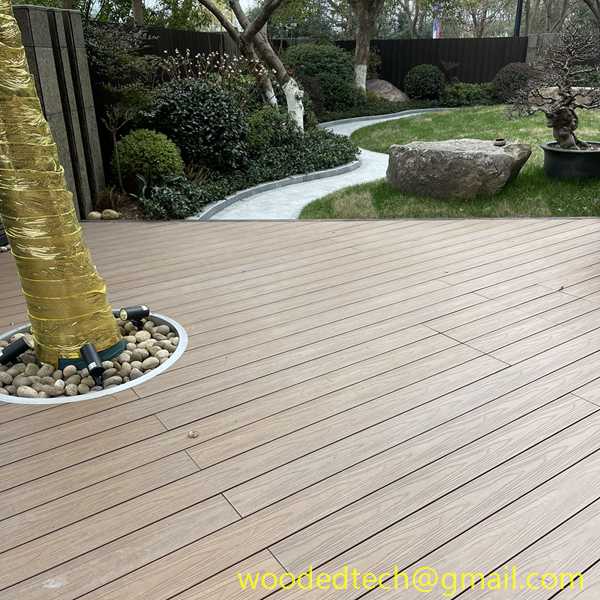
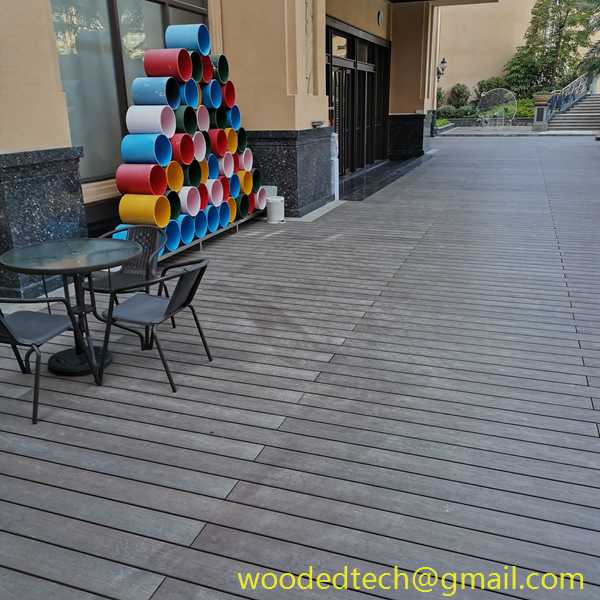
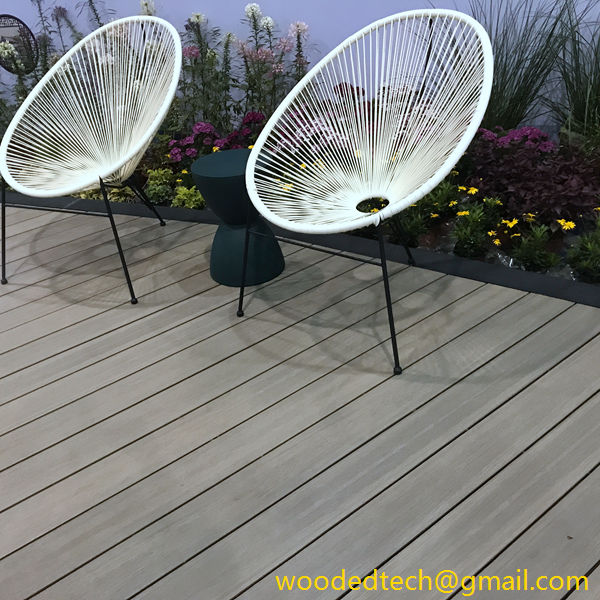
Il decking composito ha guadagnato terreno tra i proprietari di case e gli sviluppatori di proprietà commerciali, guidati dai suoi bassi requisiti di manutenzione e durata.Quando si confrontano i prezzi del decking composito con il legno naturale e il primo WPC solido, la proposta di valore diventa sempre più chiara.Mentre l'investimento iniziale in decking composito può apparire più elevato, il risparmio a lungo termine nei costi di manutenzione e sostituzione lo posiziona come una scelta economicamente più solida.Comprendere queste differenze può aiutare gli acquirenti a prendere decisioni informate che si allineano con i loro obiettivi finanziari ed estetici.
Durabilità e durata della vita Confronto
La durata è una delle aree chiave in cui il decking composito brilla sul legno tradizionale.I prodotti WPC tappati, prodotti da tecnologie avanzate di co-estrusione, sono progettati per resistere agli elementi molto meglio delle loro controparti in legno naturale.Il legno tradizionale spesso soffre di marciume, deformazione e schegge, in particolare nelle regioni con climi fluttuanti.Al contrario, i prodotti WPC con tappa sono progettati con uno strato esterno protettivo che resiste all'umidità e ai danni UV.Questo potenziamento prolunga significativa la loro durata di vita, spesso superando i 25 anni con un minimo degrado.
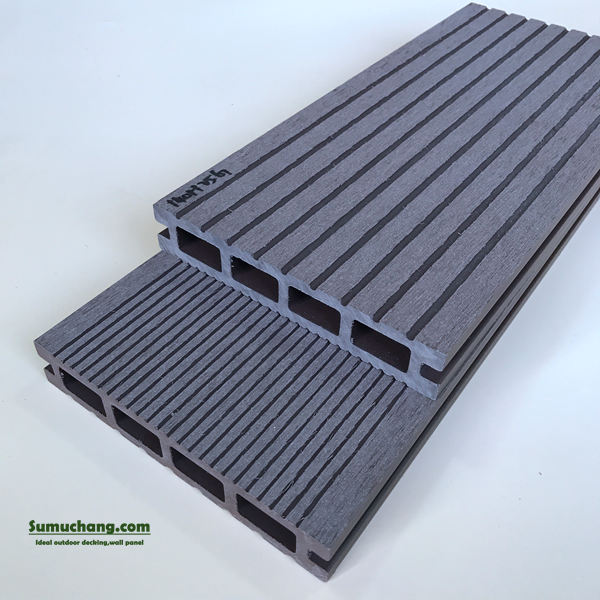
Il legno, anche se esteticamente gradevole, ha in genere una durata di vita di soli 10-15 anni quando esposto agli elementi.Gli sforzi di manutenzione come la sigillatura, la colorazione e il trattamento per i parassiti possono aggiungere ulteriori costi nascosti nel tempo.Pertanto, mentre i prezzi iniziali del decking composito possono essere più elevati, la loro longevità e la ridotta necessità di manutenzione offrono un notevole risparmio nel lungo periodo.
Esigenze e costi di manutenzione
La manutenzione può essere un peso considerevole quando si tratta di decking tradizionale in legno.I proprietari di case spesso si trovano intrappolati in un ciclo di levigatura, verniciatura e trattamento del legno per preservare il suo aspetto e l'integrità strutturale.Questo impegno continuo non solo consuma tempo, ma comporta anche costi finanziari significativi nel tempo.Al contrario, il WPC limitato richiede molta meno attenzione.Un semplice lavaggio con acqua e sapone in genere è sufficiente per mantenerlo incontaminato.La resistenza allo sbiademento, alla colorazione e alla muffa rende i costi in corso associati alla manutenzione in gran parte trascurabili.
Quando si pesano i prezzi del decking composito rispetto al legname, è essenziale considerare queste spese nascoste.Quello che può sembrare un investimento iniziale a prezzi accessibili in legno può rapidamente aumentare con i costi sostenuti di manutenzione regolare.Con il decking composito, le spese sono più prevedibili, consentendo una migliore gestione del budget.
Schegge e considerazioni di sicurezza
La sicurezza è un altro aspetto critico in cui il decking composito prende il comando.Il legno naturale può frammentarsi o crepare sotto pressione, creando potenziali pericoli, specialmente per le famiglie con bambini piccoli o animali domestici.Questo può portare a lesioni e richiedere un'attenzione immediata per garantire un ambiente esterno sicuro.Il decking composito, d'altra parte, è progettato per essere privo di schegge, offrendo una superficie sicura e liscia per la camminata a piedi nudi e attività all'aperto.
La tranquillità che deriva dall'utilizzo di prodotti WPC con rivestimento non può essere sottovalutata.Le caratteristiche di sicurezza combinate con l'aspetto estetico lo rendono una scelta top per coloro che danno priorità sia al design che alla funzionalità.Negli ambienti in cui la sicurezza è fondamentale, i vantaggi dei materiali compositi diventano sempre più evidenti.
Warping e resistenza agli agenti aterae
Uno degli svantaggi più significativi del legno naturale è la sua suscettibilità alla deformazione causata dall'assorbimento dell'umidità e dai cambiamenti di temperatura.Questo non solo influisce sul suo aspetto, ma può anche portare a compromessi strutturali, richiedendo costose riparazioni o sostituzioni.I materiali di decking compositi, grazie alla loro composizione unica e ai processi di produzione, sono praticamente imperevoli per la deformazione.La stabilità del WPC con tetti in condizioni meteorologiche variabili lo rende una soluzione ideale per gli spazi esterni che sperimentano temperature estreme o precipitazioni pesanti.
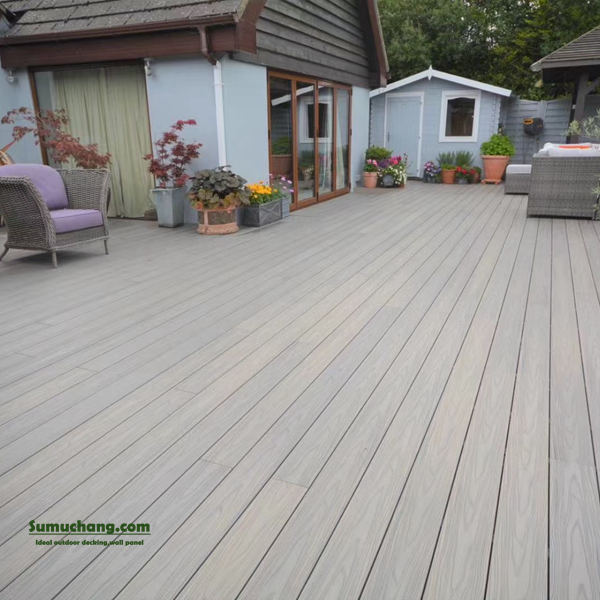
La capacità del decking composito di mantenere la sua forma e integrità nel tempo è un punto di vendita fondamentale.I proprietari di case e gli sviluppatori immobiliari beneficiano di sapere che il loro investimento non solo avrà un bell'aspetto oggi, ma resisterà anche alla prova del tempo, indipendentemente dalle sfide ambientali.
Il valore reale nel tempo
Quando si valutano i prezzi del decking composito, è fondamentale guardare oltre i costi iniziali e considerare il valore totale nel tempo.La combinazione di minori costi di manutenzione, maggiore durata, superfici prive di schegge e resistenza alla deformazione crea un argomento convincente per la scelta del WPC limitato rispetto al legno tradizionale.Poiché la sostenibilità diventa sempre più significativa nelle scelte dei consumatori, anche i materiali compositi rispettosi dell'ambiente stanno guadagnando popolarità, aggiungendo un altro livello di valore.
Investire nel decking composito non riguarda solo l'estetica; è una decisione finanziaria a lungo termine che promette sia divertimento immediato che risparmi futuri.Poiché i proprietari di immobili cercano di massimizzare i loro investimenti, i vantaggi di scegliere un produttore rispettabile come Sumuchang diventano evidenti.Optando per soluzioni WPC di alta qualità e resistenti alle intemperie, gli acquirenti si posizionano favorevolmente in un mercato sempre competitivo.