 Italiano
  English
  Español
  Français
  Português
  Deutsch
  Русский
  العربية
  简体中文
简体中文  香港中文
香港中文  한국어
한국어  日本語
日本語  Türkçe
  Nederlands
  Bahasa Indonesia
 Negli ultimi anni il decking in composito ha guadagnato una notevole popolarità grazie alla sua versatilità e durata. In particolare, l'opzione del decking composito 2×4 è diventata la scelta preferita da costruttori e proprietari di case. Questo materiale non solo è esteticamente accattivante, ma offre anche vantaggi pratici che lo rendono adatto a una varietà di progetti edilizi. Comprendendo la distribuzione globale della produzione di decking composito e i vantaggi di prezzo ad essa associati, si può capire perché questo materiale da costruzione continua a prosperare nel settore edile.
La produzione di decking composito è concentrata in diverse regioni del mondo. Il Nord America è al primo posto in termini di capacità produttiva, con numerose aziende specializzate in materiali compositi. Gli Stati Uniti, in particolare, vantano una ricca storia di innovazioni nel settore dei rivestimenti per terrazze, guidata dalla domanda dei consumatori di prodotti sostenibili e a bassa manutenzione. Molti produttori di questa regione utilizzano materiali riciclati, come fibre di legno e rifiuti plastici, per creare decking compositi, il che non solo riduce l'impatto ambientale ma anche i costi di produzione.

Anche in Europa il decking in materiali compositi sta guadagnando terreno, soprattutto nei Paesi con normative ambientali rigorose. I produttori europei si concentrano sulla produzione di prodotti di alta qualità ed ecocompatibili, che attraggono i consumatori attenti all'ambiente. Questa attenzione alla sostenibilità spesso comporta costi di produzione più elevati, ma il prezzo più alto è compensato dalla crescente domanda di materiali da costruzione ecocompatibili. Inoltre, il mercato europeo è caratterizzato da una gamma diversificata di design e finiture, che consente una maggiore personalizzazione dei progetti edilizi.
Anche l'Asia sta emergendo come attore significativo nel mercato dei decking compositi. Paesi come la Cina e il Giappone hanno iniziato a investire pesantemente nella produzione di materiali compositi, spinti dalla rapida urbanizzazione e dalla crescente attenzione alla sostenibilità. I costi di manodopera più bassi in queste regioni possono portare a prezzi competitivi, rendendo il decking composito un'opzione interessante sia per i mercati nazionali che internazionali. Con l'innovazione e il miglioramento dei processi produttivi dei produttori asiatici, si prevede che la qualità dei decking in composito aumenterà, rafforzando ulteriormente il loro appeal.
I vantaggi in termini di prezzo sono un fattore cruciale per la crescente popolarità dei decking in materiale composito, in particolare l'opzione 2×4. Sebbene il costo iniziale del decking in composito possa essere superiore a quello del legno tradizionale, i risparmi a lungo termine associati alla manutenzione e alla durata lo rendono una scelta più economica nel lungo periodo. I materiali compositi sono resistenti alla putrefazione, allo scolorimento e ai danni causati dagli insetti, il che significa che i proprietari di casa e i costruttori spenderanno meno in riparazioni e sostituzioni nel tempo. Questa durabilità è particolarmente interessante nelle regioni con condizioni climatiche difficili, dove il legno tradizionale può deformarsi o deteriorarsi rapidamente.
Inoltre, il prezzo del decking composito può variare significativamente a seconda della regione di produzione. Ad esempio, i produttori del Nord America possono richiedere un sovrapprezzo per i loro prodotti a causa dei costi di manodopera più elevati e delle normative più severe. Al contrario, i produttori asiatici possono offrire prezzi più competitivi, consentendo una maggiore penetrazione del mercato nei Paesi occidentali. Questa dinamica crea opportunità per i costruttori di approvvigionarsi di decking composito a vari livelli di prezzo, a seconda del budget e dei requisiti del progetto.

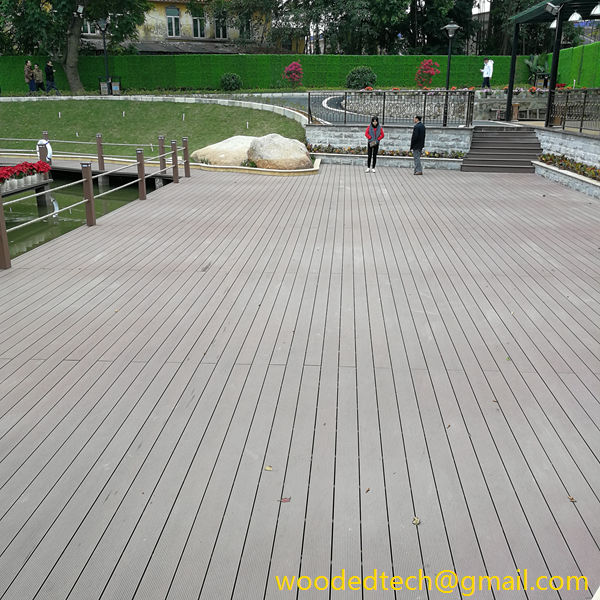
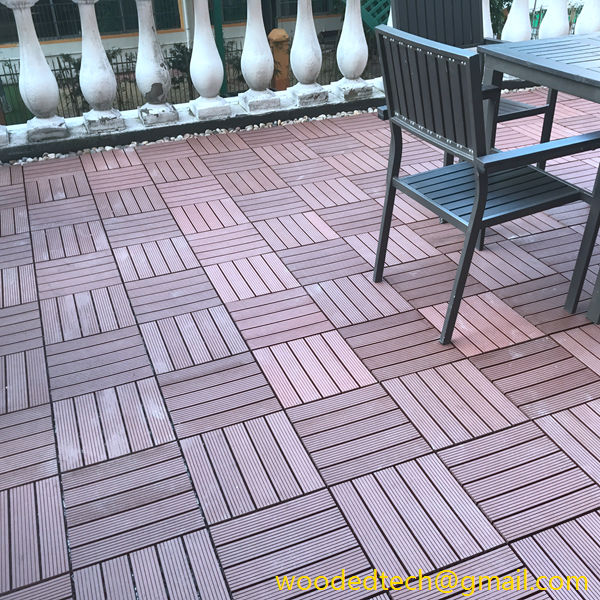
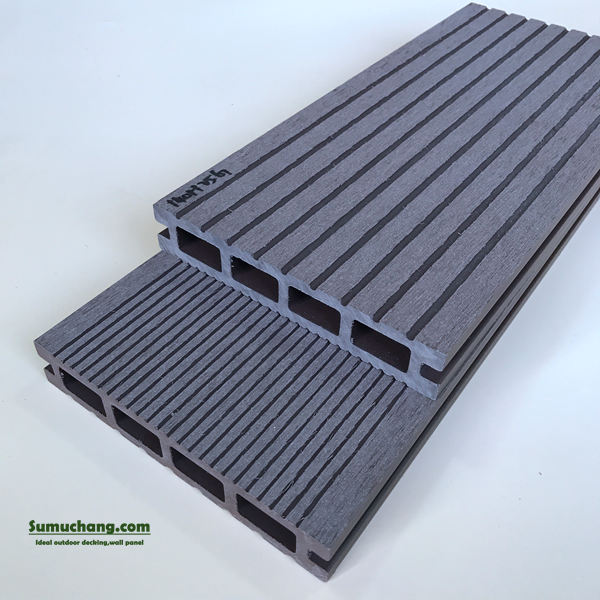
La versatilità del decking composito 2×4 contribuisce alla sua crescente popolarità. Questo formato è ideale per un'ampia gamma di applicazioni, da terrazze e patii residenziali a passerelle commerciali e elementi paesaggistici. I costruttori apprezzano la facilità di installazione e la possibilità di creare progetti personalizzati che soddisfino le loro esigenze specifiche. La leggerezza del decking composito, unita alla sua integrità strutturale, lo rende una scelta pratica per diversi progetti edilizi. Può essere facilmente tagliato e sagomato, consentendo la creatività nel design senza compromettere la resistenza.
Con il continuo aumento della domanda di decking composito, si prevede che i produttori amplieranno le loro capacità produttive e innoveranno ulteriormente. I progressi tecnologici porteranno probabilmente a materiali migliori, in grado di offrire una durata e un'estetica ancora maggiori. Questa evoluzione non solo andrà a vantaggio dei consumatori, ma contribuirà anche a un'edilizia più sostenibile.
Il panorama globale della produzione di decking composito è in evoluzione, con diverse regioni che contribuiscono alla catena di fornitura. I vantaggi di prezzo associati ai materiali compositi, combinati con la loro versatilità e durata, li posizionano come scelta principale nel mercato edilizio. Con le continue innovazioni e la crescente attenzione alla sostenibilità, il futuro del decking composito, in particolare l'opzione 2×4, sembra promettente per i costruttori che cercano soluzioni edilizie affidabili e attraenti.