 Italiano
  English
  Español
  Français
  Português
  Deutsch
  Русский
  العربية
  简体中文
简体中文  香港中文
香港中文  한국어
한국어  日本語
日本語  Türkçe
  Nederlands
  Bahasa Indonesia
 Negli ultimi anni il decking composito ha guadagnato popolarità come soluzione economica per i progetti esterni. Questo tipo di decking è realizzato con una miscela di fibre di legno riciclate e plastica. La combinazione di questi materiali crea un prodotto durevole che imita l'aspetto del legno tradizionale, offrendo al contempo una maggiore resistenza agli agenti atmosferici. La comprensione del processo di produzione del decking composito può far capire perché è un'opzione interessante per i consumatori attenti al budget.
La produzione di decking composito inizia con l'approvvigionamento delle materie prime. Le fibre di legno riciclate, spesso derivate da scarti di segheria e di lavorazione del legno, costituiscono il primo ingrediente. Questo non solo contribuisce a ridurre i rifiuti, ma rende il decking composito una scelta ecologica. La componente plastica proviene in genere da materiali post-consumo, come bottiglie e contenitori riciclati. Utilizzando questi materiali riciclati, i produttori possono ridurre i costi di produzione e trasferire i risparmi ai consumatori.
Una volta ottenute le materie prime, queste vengono sottoposte a una serie di fasi di lavorazione. Le fibre di legno vengono pulite ed essiccate per eliminare le impurità e l'umidità che potrebbero influire sulla qualità del prodotto finale. Questa fase è fondamentale perché l'umidità in eccesso può causare problemi come la formazione di muffe o la deformazione nel tempo. Dopo che le fibre sono state adeguatamente preparate, vengono combinate con la plastica in un processo di miscelazione. Questa operazione viene solitamente eseguita con una macchina specializzata che assicura una distribuzione uniforme dei materiali, essenziale per mantenere l'integrità strutturale del decking.

La fase successiva della produzione prevede il processo di estrusione. Durante questa fase, i materiali miscelati vengono riscaldati a una temperatura specifica per creare una miscela composita flessibile. Questa miscela viene poi forzata attraverso una matrice per formare lunghe tavole di decking. Il processo di estrusione consente di controllare con precisione le dimensioni e la struttura superficiale delle doghe. I produttori possono creare una varietà di finiture, tra cui venature simili al legno e superfici lisce, per soddisfare le diverse preferenze estetiche.
Dopo l'estrusione, i listoni vengono raffreddati e tagliati alla lunghezza desiderata. Questa fase è necessaria per preparare il decking alla spedizione e all'installazione. In questa fase vengono attuate misure di controllo della qualità per garantire che ogni tavola soddisfi gli standard industriali di resistenza, durata e aspetto. Le eventuali imperfezioni vengono eliminate, contribuendo a mantenere un prodotto di alta qualità.
Uno dei vantaggi principali del decking in materiale composito è la sua ridotta manutenzione rispetto al decking in legno tradizionale. La componente in plastica lo rende resistente alla putrefazione, allo scolorimento e ai danni degli insetti, il che significa che i proprietari di casa possono godersi i loro spazi esterni senza doverli sigillare o colorare regolarmente. Questa ridotta manutenzione si traduce in un risparmio a lungo termine, rendendo il decking composito un'opzione conveniente per i progetti esterni.
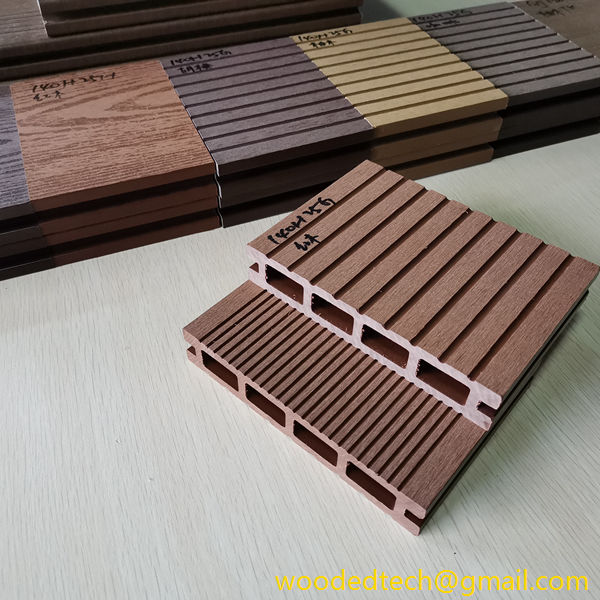
Inoltre, le opzioni estetiche disponibili per il decking in composito sono molto ampie. Con vari colori e texture, i proprietari di casa possono scegliere uno stile che completi il loro design esterno. Molti produttori offrono opzioni personalizzabili, che consentono di realizzare progetti unici in grado di soddisfare le preferenze individuali. Questa versatilità può anche aumentare il valore della proprietà, un aspetto importante per molti proprietari di case.
Un altro aspetto conveniente del decking in composito è la sua longevità. Sebbene l'investimento iniziale possa essere leggermente superiore a quello del legno tradizionale, la durata di vita dei materiali compositi spesso supera quella del decking in legno. I pannelli in composito possono durare per decenni senza subire un degrado significativo, riducendo la necessità di sostituirli o di effettuare riparazioni estese. Questa durabilità li rende una scelta ideale per gli ambienti esterni soggetti a condizioni climatiche avverse.

Molti produttori si stanno anche concentrando sulla produzione di decking compositi più convenienti. Ottimizzando il processo di produzione e utilizzando materiali efficienti dal punto di vista dei costi, possono offrire ai consumatori prezzi competitivi. Questa tendenza consente a un maggior numero di proprietari di case di accedere a decking compositi di alta qualità senza spendere troppo.
Inoltre, l'installazione dei pavimenti in composito può rappresentare un fattore di risparmio. Molti prodotti sono progettati per una facile installazione, spesso con sistemi a incastro che non richiedono strumenti specializzati. Questo può ridurre significativamente i costi di manodopera, in quanto i proprietari di casa o gli appaltatori possono completare l'installazione con il minimo sforzo.
Quando si prende in considerazione il decking in materiali compositi per progetti esterni, è fondamentale ricercare i diversi produttori e le loro offerte. Il confronto dei prezzi, delle garanzie e delle recensioni dei clienti può aiutare i proprietari di casa a individuare le opzioni più convenienti. Alcuni marchi possono offrire ulteriori incentivi, come campioni gratuiti o sconti promozionali, che aumentano ulteriormente la convenienza del decking in composito.
In definitiva, il decking in materiale composito rappresenta una soluzione pratica per chi cerca un modo economico per valorizzare i propri spazi esterni. La sua combinazione di durata, bassi requisiti di manutenzione e versatilità estetica lo rende una scelta interessante per i proprietari di case attenti al budget. Conoscendo il processo di produzione e le varie opzioni disponibili, è possibile prendere decisioni informate che soddisfino gli obiettivi del progetto e siano al tempo stesso efficienti dal punto di vista dei costi.