 Italiano
  English
  Español
  Français
  Português
  Deutsch
  Русский
  العربية
  简体中文
简体中文  香港中文
香港中文  한국어
한국어  日本語
日本語  Türkçe
  Nederlands
  Bahasa Indonesia
 Tendenze di colore del decking composito
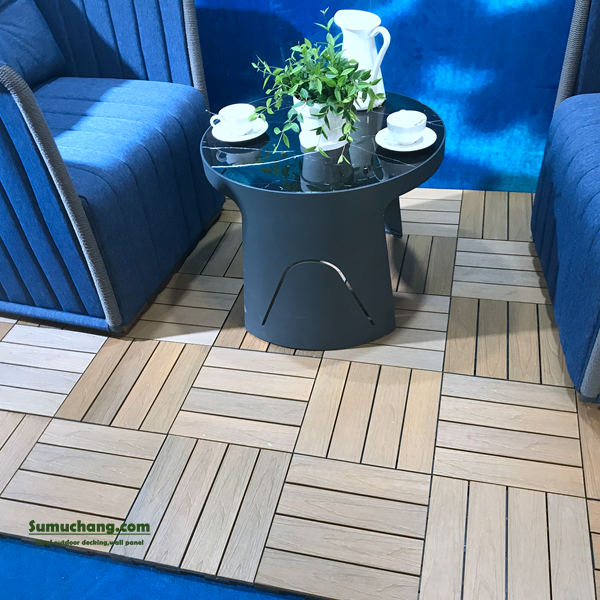
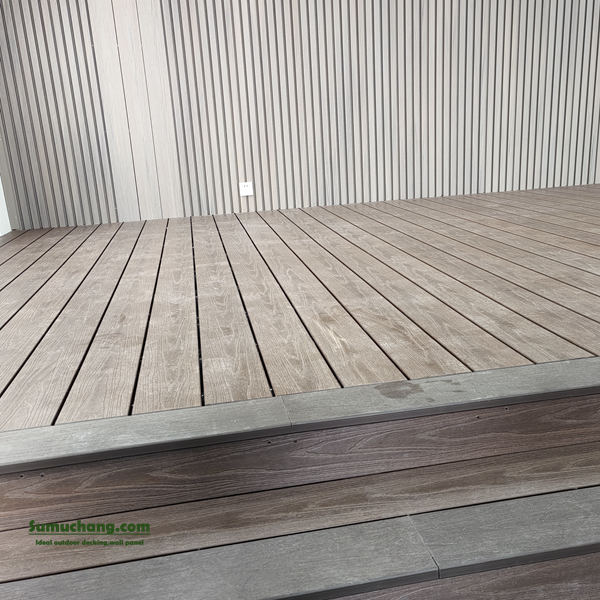
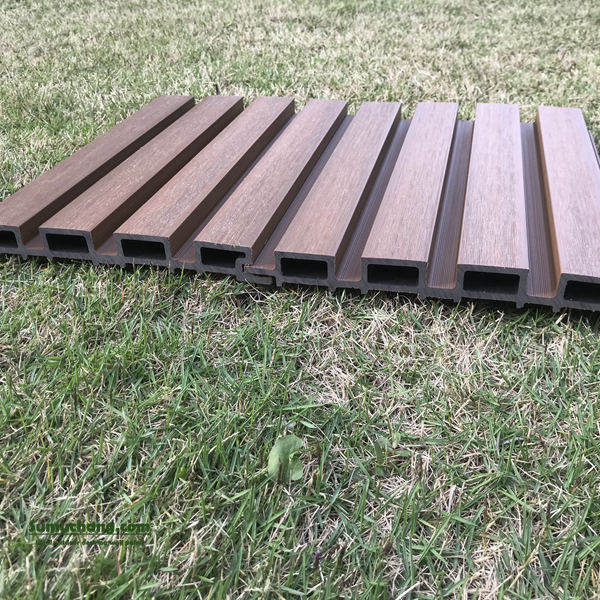
La scelta dei colori di decking composito riflette sia le preferenze estetiche che le esigenze funzionali.Molti proprietari di case e designer sono sempre più orientati verso i toni del legno naturale, che aiutano a creare un'integrazione senza soluzione di continuità con gli ambienti esterni.I marroni ricchi, i grigi profondi e le tonalità ancora più leggere, che ricordano il legno intemperie, sono scelte popolari.Questi colori non solo forniscono una visuale accattivante, ma aiutano anche a mascherare l'usura, assicurando che la superficie rimanga attraente nel tempo.
Inoltre, la popolarità di questi colori di decking composito è influenzata dalle tendenze regionali, dove le tonalità specifiche risuonano meglio in base all'ambiente circostante.Ad esempio, le zone costiere possono preferire colori più chiari e sbleachati al sole, mentre le regioni boschive potrebbero propendere per toni più scuri e ricchi.Questo aspetto della selezione del colore è fondamentale e, come ingegnere di sviluppo della formulazione WPC, è essenziale accogliere queste preferenze all’interno della formulazione del composito.

Considerazioni di formulazione per l'appello estetico
La creazione di compositi plastici in legno ad alte prestazioni richiede un approccio equilibrato ai materiali utilizzati.I componenti principali di una formula di successo includono fibra di legno, resina plastica e vari additivi.Il contenuto di fibre di legno influenza in modo significativo l'aspetto del prodotto finale.Un maggiore contenuto di legno in genere migliora l'aspetto naturale, ma può compromettere la durata se non gestito correttamente.Pertanto, diventa vitale trovare un equilibrio ottimale in cui le esigenze estetiche sono soddisfatte senza sacrificare le prestazioni.
Il rapporto di plastica svolge anche un ruolo centrale nella ritenzione del colore e nella longevità complessiva.Un contenuto di plastica più elevato può migliorare la resistenza allo sbiadimento e agli agenti atmosferici, consentendo ai colori vivaci di durare più a lungo contro l'esposizione ai raggi UV.Inoltre, incorporare additivi, come coloranti e stabilizzatori UV, può aiutare a raggiungere le caratteristiche di colore e prestazioni desiderate, prolungando così la durata del decking composito e mantenendo il suo appeal visivo.

Controllo dei costi nello sviluppo del decking composito
Quando si progetta una formula in composito di plastica in legno, il controllo dei costi è un fattore significativo che non può essere trascurato.Il bilanciamento della qualità con l'accessibilità economica spesso comporta l'approvvigionamento di materiali che soddisfano sia le prestazioni che i requisiti di bilancio.Questo a volte può significare optare per tipi alternativi di resine plastiche o diverse fonti di fibre di legno che forniscono risultati estetici e di durata simili a un costo inferiore.
Inoltre, il processo di produzione stesso può influire sul costo finale.Sono essenziali tecniche di produzione efficienti che riducono al minimo gli sprechi e massimizzano la resa.Ottimizzando il processo di estrusione, ad esempio, i produttori possono produrre decking composito che non solo soddisfa le specifiche di progettazione, ma lo fa in modo conveniente.Questa efficienza può anche consentire una gamma più ampia di opzioni di colore, che soddisfano le diverse preferenze dei consumatori mantenendo la redditività.
Migliorare la durata della vita del prodotto attraverso l'innovazione
Lo sviluppo di compositi plastici in legno di lunga durata comporta l'utilizzo di materiali e processi all'avanguardia.La ricerca di nuovi tipi di fibre di legno e alternative di plastica biodegradabili può portare a formulazioni innovative che non solo soddisfano gli standard ecologici, ma forniscono anche una maggiore stabilità e prestazioni del colore.L'inclusione della nanotecnologia negli additivi può migliorare ulteriormente la resistenza ai fattori di stress ambientali, garantendo che il decking composito rimanga vivace e funzionale nel tempo.
Inoltre, le continue misure di prova e di garanzia della qualità svolgono un ruolo fondamentale nel garantire che i prodotti compositi resistano ai rigori dell'uso esterno.Ciò comporta rigorosi processi di ispezione per valutare la coerenza del colore, la durata e la resistenza allo sbiadimento come parte della strategia generale di controllo della qualità.Investendo in ricerca e sviluppo, le aziende possono stare al passo con le tendenze del mercato e offrire un decking composito che si allinea con le richieste dei consumatori sia per l'estetica che per la longevità.
Il futuro dei colori del decking composito
È probabile che il futuro dei colori del decking composito sia modellato dalle tendenze emergenti del design e dalle preferenze dei consumatori per la sostenibilità.Poiché sempre più proprietari di case cercano opzioni eco-compatibili, la domanda di colori naturalmente ispirati realizzati con materiali riciclati potrebbe aumentare.Le innovazioni nel processo di formulazione consentiranno ai produttori di creare una tavolozza di colori che non solo attirano visivamente, ma sono anche responsabili per l'ambiente.
Con i progressi tecnologici e una più profonda comprensione della scienza dei materiali, l'industria del decking composito è pronta per sviluppi interessanti.Concentrandosi su un approccio globale che consideri le scelte del colore insieme alle prestazioni e alla sostenibilità, i produttori possono creare prodotti che risuonano veramente con i consumatori moderni, promettendo anche una durata e una lunga durata.