 Italiano
  English
  Español
  Français
  Português
  Deutsch
  Русский
  العربية
  简体中文
简体中文  香港中文
香港中文  한국어
한국어  日本語
日本語  Türkçe
  Nederlands
  Bahasa Indonesia
 Che cosa è Wood Plastic Board?
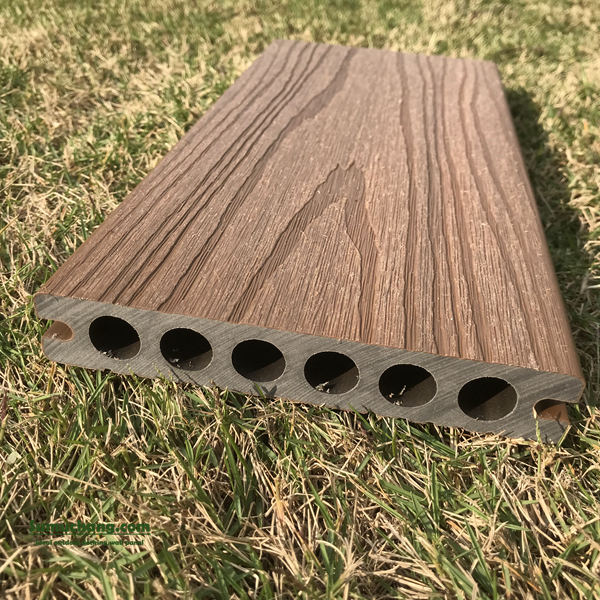
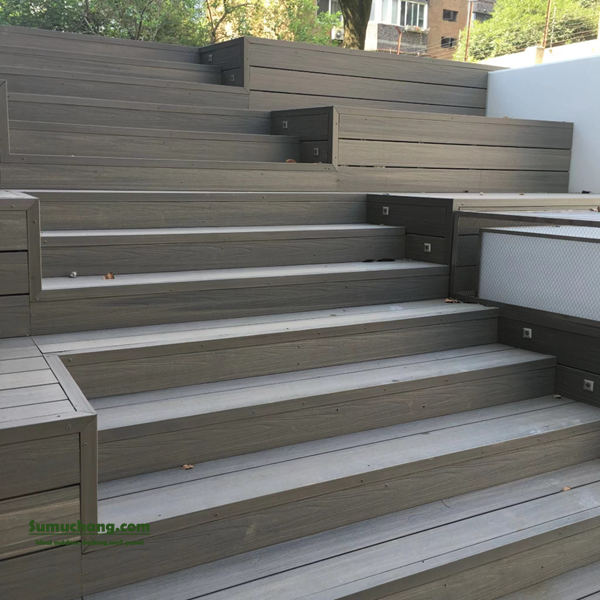
Il bordo di plastica del legno, spesso noto come WPC (ligno-plastica composito), è un materiale versatile che combina l'estetica naturale del legno con la durata della plastica.Questo composito innovativo è prodotto da un mix di fibre di legno o farina di legno e termoplastici, creando un prodotto non solo leggero ma anche resistente all'umidità, agli insetti e al decadimento.Il risultato è un materiale robusto ideale per applicazioni per esterni come tavole di decking, pannelli a parete e profili che richiedono sia integrità strutturale che appeal visivo.WPC ha guadagnato un'immensa popolarità grazie alla sua natura ecologica, poiché è spesso prodotto da materiali riciclati e può essere riciclato di nuovo alla fine della sua durata di vita.
Importanza della progettazione dell'imballaggio per i prodotti WPC
Quando si esportano tavole di plastica in legno, l'imballaggio deve essere meticolosamente progettato per garantire che i prodotti arrivino a destinazione in condizioni incontaminate.Il trasporto oceanico a lunga distanza di tavole da decking e pannelli murali pone diverse sfide, tra cui l'esposizione all'umidità, gli impatti fisici e le fluttuazioni di temperatura.Come ingegnere del packaging, è essenziale considerare questi fattori durante la fase di progettazione per ridurre il rischio di danni.Il corretto imballaggio non solo protegge il materiale, ma mantiene anche la sua qualità e finitura, che è fondamentale per la soddisfazione del cliente all'arrivo.
Misure di protezione impiegate negli imballaggi
Il primo passo per creare un efficace imballaggio dell'esportazione per i prodotti WPC è la selezione dei materiali giusti.Robuste scatole di cartone, casse di legno personalizzate o persino involucri di plastica sono comunemente usati per proteggere le tavole dall'umidità e dagli impatti fisici.La scelta del materiale dipende dalle esigenze specifiche dei prodotti e dalla durata del trasporto.Ad esempio, se è probabile che i prodotti siano esposti a condizioni di elevata umidità, i materiali di imballaggio resistenti all'umidità dovrebbero essere impiegati per prevenire la deformazione e il degrado delle schede.
Anche i materiali ammortizzanti svolgono un ruolo significativo nella salvaguardia dei prodotti WPC durante il transito.Gli inserti in schiuma, l'involucro di bolle o anche le arachidi da imballaggio biodegradabili possono essere posizionati strategicamente all'interno della confezione per assorbire gli urti e proteggere gli angoli e i bordi delle tavole e dei pannelli di decking.Questo livello di cura dei dettagli aiuta a mitigare il rischio di graffi e ammaccature che potrebbero compromettere le proprietà estetiche e funzionali dei prodotti.
Imbandoto personalizzato per diversi prodotti
Ogni tipo di prodotto WPC può richiedere un approccio unico al packaging.Ad esempio, le tavole di decking sono in genere più lunghe e potrebbero aver bisogno di una considerazione speciale in termini di lunghezza e flessibilità durante il trasporto.Gli ingegneri dell'imballaggio spesso progettano casse longitudinali che consentono di posare le schede, riducendo al minimo il rischio di piegatura o rottura.Al contrario, i pannelli a parete possono essere più piccoli e possono essere impilati, ma richiedono comunque misure di protezione per garantire che non si si stimolino all'interno del loro imballaggio, il che potrebbe portare a danni superficiali.
Inoltre, la personalizzazione degli imballaggi può estendersi alle opportunità di branding.Molti produttori scelgono di incorporare i loro colori di marca, loghi e informazioni sul prodotto direttamente sulla confezione.Questo non solo serve a uno scopo estetico, ma aiuta anche a identificare i prodotti all'arrivo a destinazione, semplificando così il processo di gestione e distribuzione.
Considerazioni ambientali negli imballaggi
Poiché la sostenibilità diventa una priorità crescente all'interno del settore dei materiali da costruzione, gli ingegneri dell'imballaggio hanno anche il compito di garantire che i materiali utilizzati siano rispettosi dell'ambiente.L'utilizzo di materiali riciclabili o biodegradabili per il confezionamento è una strategia chiave per ridurre l'impronta ambientale complessiva dei prodotti WPC.Quando si selezionano i materiali di imballaggio, è fondamentale considerare il ciclo di vita di questi materiali e il loro impatto sull'ambiente.
Inoltre, ridurre gli sprechi nella progettazione degli imballaggi è un'altra considerazione importante.Questo può essere ottenuto utilizzando strategie minime di imballaggio o progettando soluzioni di imballaggio riutilizzabili.Ad esempio, le casse pieghevoli possono essere restituite e riutilizzate per spedizioni future, portando a una significativa riduzione degli sprechi di imballaggio nel tempo.Dando priorità alle pratiche sostenibili, i produttori non solo contribuiscono positivamente all'ambiente, ma attraggono anche consumatori attenti all'ambiente.
Tendenze future nelle soluzioni di imballaggio WPC
Guardando al futuro, è probabile che gli imballaggi di pannelli di plastica in legno si evolvano insieme ai progressi tecnologici e alle mutevoli richieste dei consumatori.Innovazioni come gli imballaggi intelligenti, che includono sensori per le condizioni di monitoraggio durante il trasporto, potrebbero presto diventare una pratica standard.Questi sensori possono fornire dati in tempo reale su umidità e temperatura, consentendo un intervento immediato se le condizioni dovessero diventare sfavorevoli, proteggendo così ulteriormente l'integrità dei prodotti WPC.
Inoltre, l'integrazione della realtà aumentata (AR) nel packaging potrebbe migliorare l'esperienza del cliente.Ad esempio, i clienti potrebbero eseguire la scansione di un codice sulla confezione con i loro smartphone per accedere alle istruzioni di installazione o alle informazioni sulla cura del prodotto.Questo tipo di packaging interattivo non solo aggiunge valore, ma può anche rafforzare la fedeltà al marchio e il coinvolgimento dei clienti.