 Italiano
  English
  Español
  Français
  Português
  Deutsch
  Русский
  العربية
  简体中文
简体中文  香港中文
香港中文  한국어
한국어  日本語
日本語  Türkçe
  Nederlands
  Bahasa Indonesia
 I vantaggi del decking composito da 12′
La scelta di 12′ composite decking per progetti residenziali porta numerosi vantaggi che si rivolgeno sia ai proprietari di case che ai costruttori.La lunghezza estesa riduce le cuciture, creando un aspetto più lucido e senza soluzione di continuità attraverso il ponte.Questo non solo migliora il fascino estetico, ma riduce anche al minimo i potenziali punti deboli in cui l'acqua potrebbe accumularsi, contribuendo così a una maggiore durata del materiale di decking.Inoltre, l'uso di materiali compositi offre ai proprietari di case una soluzione resistente allo sbiadimento, alla colorazione e alla muffa, rendendola una scelta attraente per gli spazi di vita all'aperto.
Dal punto di vista di un ingegnere di sviluppo di formulazioni WPC, la progettazione di decking composito ad alte prestazioni comporta un attento equilibrio tra contenuto di fibre di legno e rapporto plastico.Tipicamente, la formulazione ideale potrebbe essere composta da circa 60% fibre di legno e 40% plastica.Questa combinazione fornisce l'aspetto naturale e la sensazione del legno, garantendo al contempo durata e resistenza agli elementi.La selezione specifica degli additivi migliora ulteriormente le prestazioni, introducendo caratteristiche come la stabilità UV e una maggiore resistenza ai graffi, che sono essenziali per mantenere l'integrità del decking composito da 12′ nel tempo.
Ottimizzazione Composizione Materiale
Progettare una formula di decking composito di alta qualità richiede un'attenzione meticolosa per i tipi di fibre di legno utilizzate.Le scelte comuni includono legni duri come querce o legni teneri come il pino, ognuno dei quali contribuisce a benefici unici.Ad esempio, i legni duri possono migliorare la resistenza e la durata, mentre i legni teneri sono spesso più convenienti.Inoltre, l’integrazione dei materiali riciclati nella componente plastica può ridurre i costi di produzione, promuovendo anche la sostenibilità.Questo focus sull’ottimizzazione non solo riflette nelle prestazioni del decking, ma consente anche ai produttori di soddisfare le richieste del mercato per prodotti ecologici.
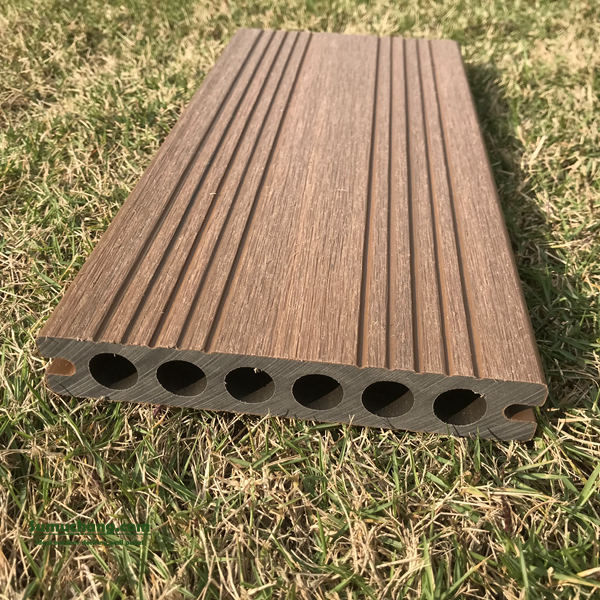
Quando si formulano materiali compositi, è imperativo considerare il contenuto di umidità delle fibre di legno.L’eccesso di umidità può portare a gonfiore e deformazione, compromettendo in definitiva l’integrità strutturale del decking.Pertanto, è essenziale un accurato processo di essiccazione.Inoltre, incorporare la giusta proporzione di agenti di accoppiamento può migliorare l'incollaggio tra legno e plastica, migliorando le proprietà fisiche del composito.Questi aggiustamenti assicurano che il decking mantena il suo aspetto e le sue prestazioni in varie condizioni ambientali.
Controllo dei costi e durata della vita del prodotto
Un efficace controllo dei costi è una considerazione significativa nella formulazione di 12′ di decking composito.Bilanciare la qualità con l'accessibilità è fondamentale, soprattutto in un mercato competitivo.Selezionando la giusta combinazione di materiali e additivi, i produttori possono offrire prodotti ad alte prestazioni senza costi esorbitanti.Ciò è particolarmente importante per i progetti residenziali in cui i vincoli di bilancio possono influenzare le decisioni di acquisto.La longevità del decking composito supporta ulteriormente la sua economicità.Data la sua resistenza a problemi come marciume, sbiadimento e atmosferici, la necessità di una sostituzione frequente è notevolmente ridotta, dimostrandosi vantaggiosa per i proprietari di case nel lungo periodo.
Inoltre, la fase di progettazione deve incorporare considerazioni per le condizioni climatiche locali.Ad esempio, le regioni con elevata umidità possono richiedere additivi specifici per migliorare la resistenza all'umidità, mentre le aree soggette a un'esposizione estrema ai raggi UV potrebbero beneficiare di stabilizzatori UV potenziati.La sartoria della formulazione alle richieste regionali può prolungare la durata del prodotto e garantirne l'affidabilità.
Innovazione nella formulazione compositica WPC
L'innovazione continua a guidare lo sviluppo di compositi plastici in legno, con nuove tecnologie emergenti per migliorare le prestazioni e la sostenibilità.Vengono implementate tecniche avanzate di miscelazione per ottimizzare la distribuzione delle fibre all’interno del composito, con conseguente miglioramento delle proprietà meccaniche.Inoltre, l'industria sta assistendo a uno spostamento verso additivi a base biologica che non solo migliorano le prestazioni, ma si allineano anche con la crescente domanda dei consumatori di materiali da costruzione sostenibili.
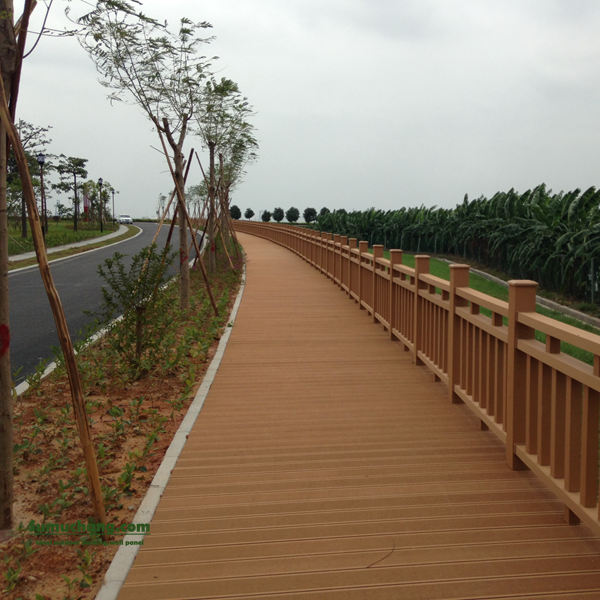
Come ingegnere di sviluppo della formulazione WPC, rimanere in sintonia con le tendenze del settore e le preferenze dei consumatori è essenziale per creare prodotti che risuonano sul mercato.Concentrandosi sul continuo miglioramento delle formulazioni di decking composito, i produttori possono garantire che le loro offerte non siano solo competitive, ma soddisfino anche gli elevati standard previsti dai proprietari di case di oggi.
Con la crescente preferenza per gli spazi di vita all'aperto, la domanda di decking composito da 12′ continua a salire.Mentre ingegneri e produttori lavorano per perfezionare le formulazioni, l'accento rimane sull'erogazione di prodotti che offrono una miscela perfetta di estetica, prestazioni e sostenibilità.Con l'evolversi del mercato, l'impegno per soluzioni di decking di alta qualità consentirà ai progetti residenziali di prosperare, fornendo valore e soddisfazione duraturi ai proprietari di case.