 한국어
한국어  English
  Español
  Français
  Português
  Deutsch
  Italiano
  Русский
  العربية
  简体中文
简体中文  香港中文
香港中文  日本語
日本語  Türkçe
  Nederlands
  Bahasa Indonesia
 The Synthetic Alternative to Wood Decking
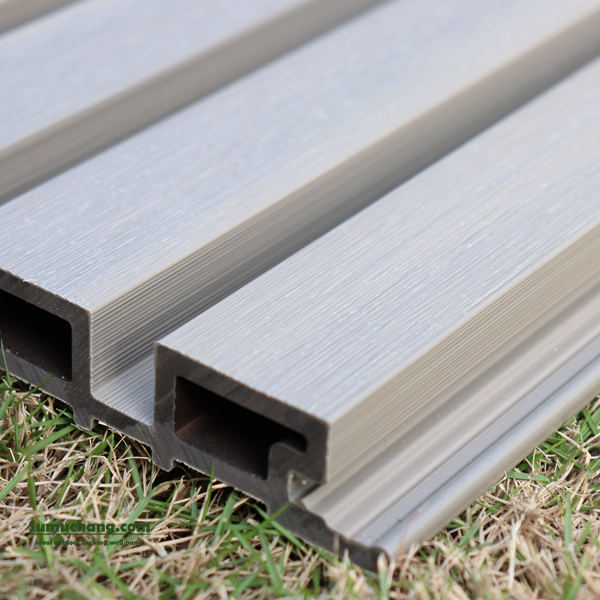
The outdoor decking market has seen a significant shift towards synthetic materials, with a particular focus on what is often referred to as the fake wood deck name. This term typically encompasses a range of products made from wood-plastic composites (WPC), which combine the best characteristics of both wood and plastic. These materials are engineered to offer aesthetic appeal while providing superior durability and lower maintenance than traditional wooden decking.
B2B buyers in the outdoor furniture and construction sectors are increasingly drawn to these synthetic alternatives due to their environmental benefits, such as reduced deforestation and the use of recycled materials. The popularity of fake wood decking continues to rise, not only for residential use but also in commercial applications, paving the way for innovative designs and versatile installations.
Material Composition and Manufacturing Techniques
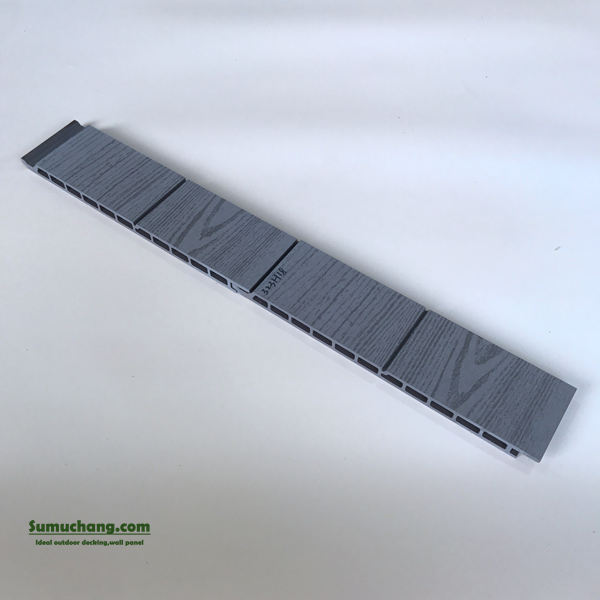
The composition of WPC decking plays a vital role in its performance. Typically, it includes a combination of recycled wood fibers and high-density polyethylene (HDPE), offering a solid structure that mimics natural wood. The manufacturing process often involves extrusion technology, where the composite material is melted and shaped into board forms. This technology aids in creating unique textures and finishes that closely resemble genuine wood grains, thus enhancing the aesthetic value of the product.
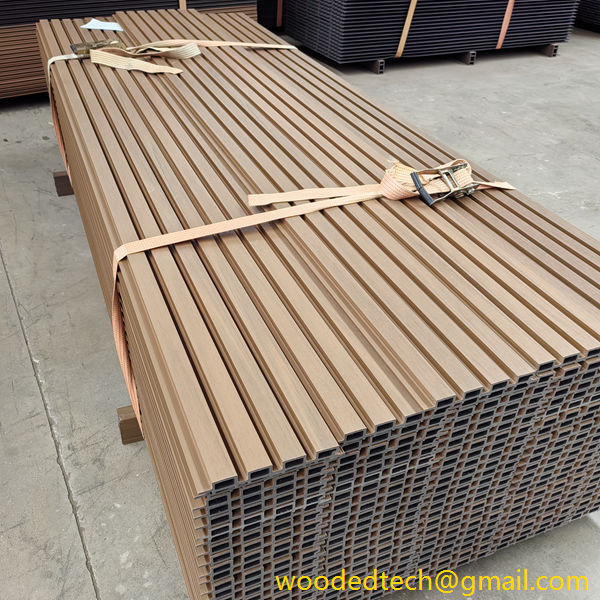
Proficient WPC manufacturers invest in advanced extrusion methods and raw material quality control to ensure that their synthetic decking products meet industry standards. Attention to detail in these production processes results in a more consistent product that can withstand various outdoor conditions while maintaining its visual appeal over time.
Market Trends and Consumer Preferences
Global trends indicate a growing preference for sustainable building materials, and fake wood decking aligns perfectly with this demand. International buyers are looking for products that not only fulfil their functional requirements but also reflect an eco-conscious ethos. As sustainability becomes a core value in architectural design, the use of WPC decking is likely to expand, particularly in urban development and outdoor recreational spaces.
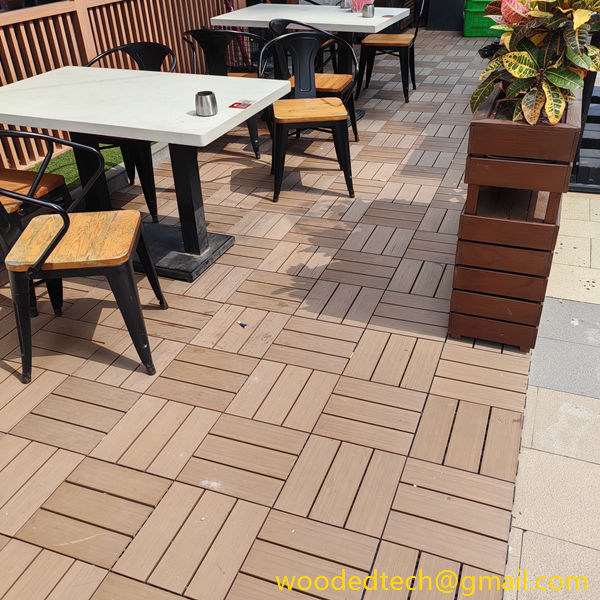
Furthermore, the aesthetic versatility of fake wood decking appeals to a wide range of consumers, from residential homeowners to commercial property developers. Customization options in colour and texture offer buyers the flexibility to create unique outdoor environments tailored to their specific needs. This adaptability is essential for manufacturers aiming to capture diverse market segments.
Comparing Fake Wood Decking to Traditional Options
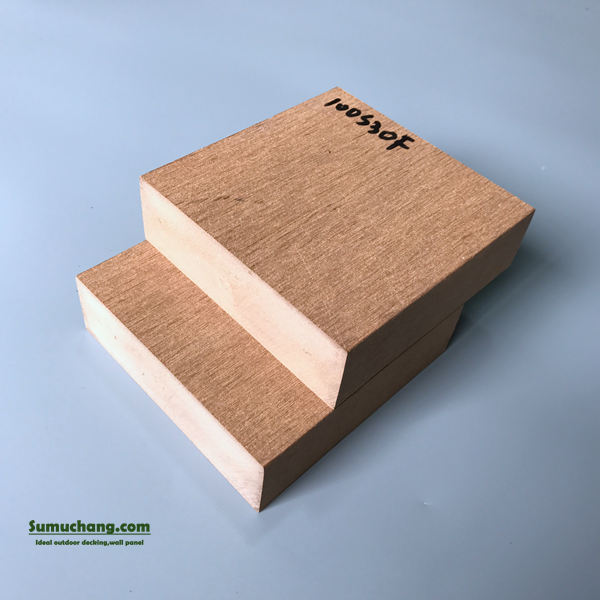
When comparing fake wood decking to traditional timber options, the differences are stark. While traditional wood requires regular maintenance such as staining and sealing, WPC products are designed to resist fading, splintering, and mould growth without extensive upkeep. This low-maintenance characteristic is a crucial selling point for both residential and commercial buyers.
Another significant advantage of fake wood decking is its longevity. Quality products can last for decades without significant wear, making them a cost-effective investment over time. This durability is particularly appealing to international buyers looking for reliable solutions that withstand various weather conditions, ensuring that their outdoor investments remain pristine year after year.
Installation and After-Sales Support
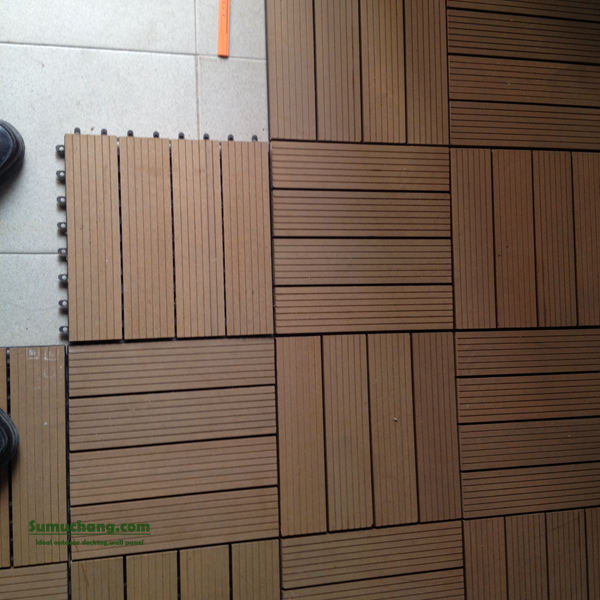
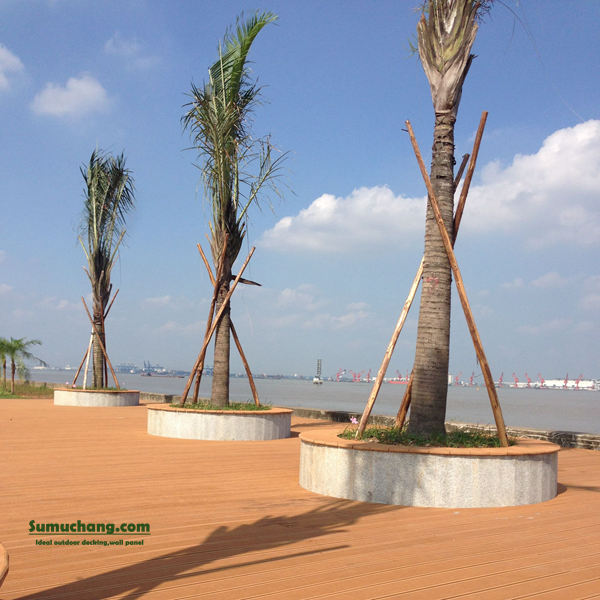
The installation of fake wood decking can be more straightforward than traditional wood due to its lightweight nature and pre-fabricated components. Many manufacturers offer comprehensive installation guides and support services to facilitate a seamless process for installers. This added value is particularly attractive to businesses seeking to ensure customer satisfaction.
In addition, after-sales support is critical in maintaining customer relationships and fostering brand loyalty. WPC manufacturers who provide guidance on maintenance and care of their products are likely to see higher customer retention rates. This approach is essential in a competitive market where buyers are seeking long-term partnerships rather than one-off transactions.
Future Prospects for Synthetic Decking
The future of fake wood decking looks promising, bolstered by ongoing innovations in material science and a growing commitment to sustainability. As consumers continue to prioritise eco-friendly options, WPC manufacturers are likely to explore new formulations that further enhance the performance and aesthetic qualities of their products. This evolution will not only meet market demands but also position synthetic decking as a leading choice in outdoor spaces worldwide.
As international markets for decking continue to expand, those manufacturers who invest in quality, innovation, and customer service will be best placed to capture a share of this lucrative sector. The fake wood deck name may soon become synonymous with quality, sustainability, and cutting-edge design, reshaping how outdoor spaces are envisioned and realised.