 한국어
한국어  English
  Español
  Français
  Português
  Deutsch
  Italiano
  Русский
  العربية
  简体中文
简体中文  香港中文
香港中文  日本語
日本語  Türkçe
  Nederlands
  Bahasa Indonesia
 The Extrusion Process of Exterior WPC Decking
The journey of exterior WPC decking begins with the meticulous process of material mixing. This involves combining wood fibres with thermoplastic polymers, primarily polypropylene or polyethylene, along with additives to enhance durability and performance. The precise ratio of these components is crucial; too much plastic can lead to a material that is overly flexible, while too much wood can compromise its structural integrity. Once the mixture is achieved, it enters the pelletizing phase where it is transformed into small pellets, ensuring uniformity for the extrusion process.
Following pelletizing, the material is fed into the extruder, where temperature control plays a vital role. The extrusion temperature typically ranges from 170 to 220 degrees Celsius, depending on the specific formulation used. Proper temperature regulation is critical to ensure that the polymers and wood fibres properly melt and blend without degrading. This step requires careful monitoring, as overheating can cause the material to lose its properties, while underheating may result in ineffective mixing.
Mold Design for Optimal Decking
Once the material reaches a homogenous state, it is extruded through a die designed specifically for WPC decking profiles. The mold design is essential, as it determines the final shape and dimensions of the decking boards. Designers work closely with engineers to ensure that the mold accommodates any specific features, such as grooves for slip resistance or channels for drainage. These details not only enhance the aesthetic appeal but also improve functionality and safety in outdoor applications.
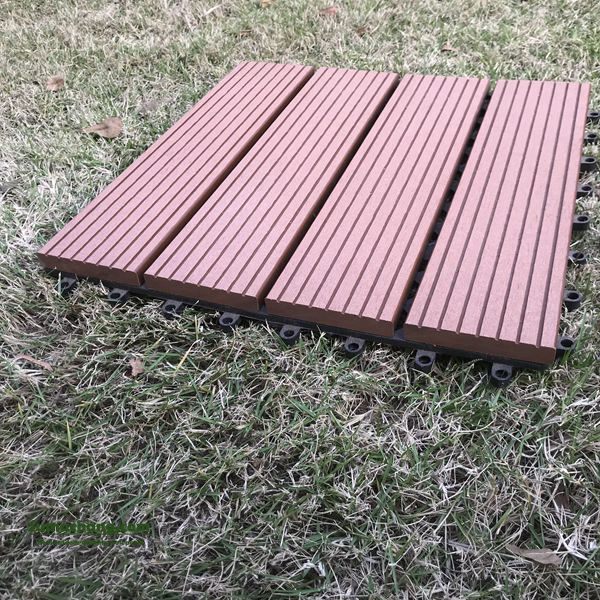
During the extrusion process, it is paramount that the material is evenly distributed within the mold to avoid any weak points in the decking. Uneven distribution can lead to defects such as warping or cracking, undermining the product’s performance over time. Engineers often conduct rigorous testing with prototypes to refine the mold design before initiating full-scale production.
Cooling Calibration and Surface Treatment
After exiting the mold, the newly formed decking boards must undergo a cooling calibration process. This step is essential to solidify the shape and ensure dimensional accuracy. Typically, the boards are cooled through water baths or air conveyors, allowing for a controlled setting that prevents warping. The cooling phase must be meticulously timed, as rapid cooling can lead to internal stresses within the material.
Once cooled, the boards are subjected to surface treatment processes, which may include sanding or applying a protective coating. This enhances not only the aesthetic qualities of the exterior WPC decking but also its resistance to ultraviolet rays and moisture. The surface treatment is critical in extending the lifespan of the product in outdoor environments, where exposure to the elements can lead to degradation if not properly addressed.
Common Production Challenges and Solutions
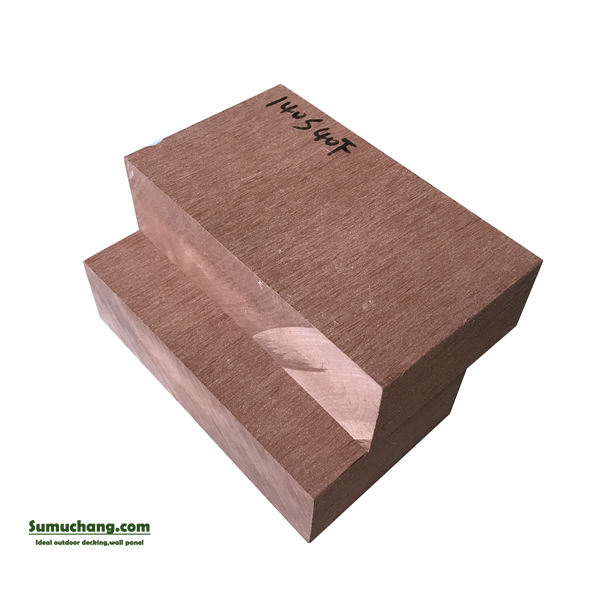
Another challenge involves the maintenance of the extrusion equipment. Regular upkeep is necessary to prevent issues such as blockages or wear, which can affect the quality of the decking produced. Implementing a rigorous maintenance schedule and using high-quality materials for the machinery can greatly reduce downtime and improve overall efficiency in the manufacturing process.
The production of exterior WPC decking is a complex yet rewarding process, combining engineering precision with innovative materials science. The careful attention to detail at every stage, from material mixing to final surface treatment, ensures that the decking is not only visually appealing but also built to withstand the rigours of outdoor use. As consumer demand for sustainable and durable building materials continues to rise, the advancements in WPC extrusion technology will play a pivotal role in meeting these needs.