 한국어
한국어  English
  Español
  Français
  Português
  Deutsch
  Italiano
  Русский
  العربية
  简体中文
简体中文  香港中文
香港中文  日本語
日本語  Türkçe
  Nederlands
  Bahasa Indonesia
 Composite Deck Plans and Structural Integrity
The design of composite deck plans significantly impacts the structural integrity of the finished product. As a WPC extrusion mold design engineer, I focus on how various profiles influence the load-bearing capacity of decking materials. Solid structures, for instance, provide enhanced strength, making them ideal for high-traffic areas. Conversely, hollow structures can reduce weight, which is beneficial for installation and transport but may sacrifice some strength. The balance between these two forms dictates the application. It is essential to analyse the intended use of the deck to ensure that the chosen design aligns with performance expectations.
Moreover, rib designs play an integral role in enhancing stability while keeping material costs down. Incorporating ribs into hollow profiles can reinforce the structure without significantly increasing weight. This meticulous approach allows for cost-effective production while ensuring the end product meets necessary safety standards.
Surface Patterns and Aesthetic Appeal
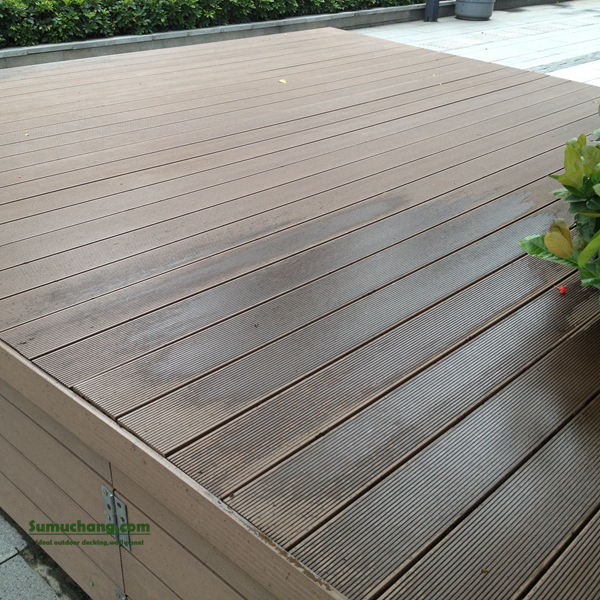
The surface finish of composite decking is not merely about aesthetics; it profoundly influences the product’s performance. Different surface patterns can impact slip resistance, a critical factor for outdoor applications where moisture can create hazardous conditions. Textured surfaces are often designed to improve traction, decreasing the likelihood of slips and falls. As a designer, I must collaborate closely with the marketing team to align the surface patterns with consumer preferences while maintaining functionality.
Moreover, the aesthetic appeal of these patterns can significantly affect marketability. A well-designed surface pattern can enhance the visual allure of a deck, attracting more customers and encouraging higher sales. Understanding market trends and consumer tastes allows me to create designs that not only perform well but also cater to the desires of potential buyers.
Cost Considerations in Design Choices
The interplay between design complexity and manufacturing costs is critical in the development of composite deck plans. More intricate designs, such as those with detailed ribbing or varied surface patterns, often incur higher production expenses. As such, striking a balance between innovative design and cost-effectiveness is vital. Employing advanced extrusion techniques can yield unique designs while keeping production costs manageable.
Additionally, the raw materials selected for the decking influence overall costs. High-quality additives can enhance durability and longevity, but they may also escalate the price point. It’s imperative to conduct thorough cost-benefit analyses when selecting materials to ensure that the final product is both competitive in the market and meets the performance standards required by consumers.
Installation Performance and Ease of Use
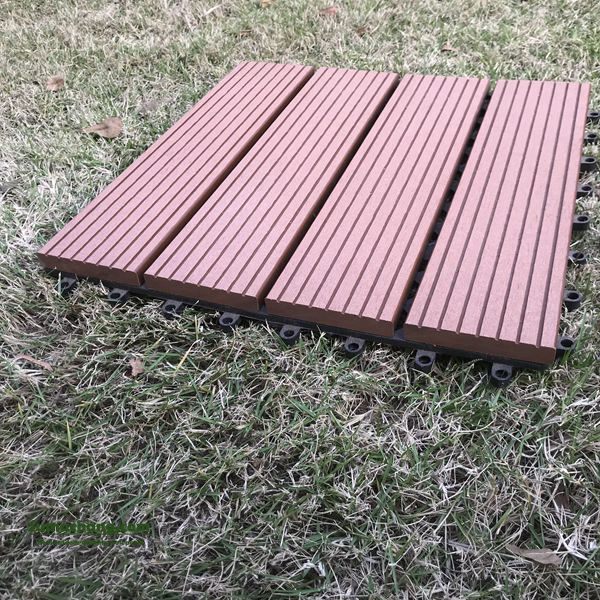
The design of composite decking not only affects its structural integrity and cost but also plays a significant role in installation performance. A decking system that is easy to install can significantly reduce labour costs and time, making it more attractive to both contractors and end-users. Designs that incorporate interlocking mechanisms or pre-drilled holes can enhance the installation process, allowing for quicker assembly and a more seamless finish.
Furthermore, considering factors like weight and handling during the design phase ensures that the decking can be transported and installed with minimal hassle. Lightweight materials may facilitate easier handling, reducing the risk of injury and damage during installation. Ultimately, the design choices made at the outset have long-lasting implications on both the efficiency of the installation process and the satisfaction of the final product’s users.

Future Trends in Composite Deck Design
Designing for sustainability requires a forward-thinking mindset, integrating eco-friendly materials while also ensuring that the structural and aesthetic demands of the decking are met. As we look ahead, staying abreast of technological advances and changing consumer preferences will be crucial for developing composite decking solutions that not only meet but exceed market expectations.