 한국어
한국어  English
  Español
  Français
  Português
  Deutsch
  Italiano
  Русский
  العربية
  简体中文
简体中文  香港中文
香港中文  日本語
日本語  Türkçe
  Nederlands
  Bahasa Indonesia
 Modern Design Trends in WPC Cladding
In the realm of outdoor design, the aesthetic appeal of a property significantly hinges on the materials selected for cladding. Wood Plastic Composite (WPC) has emerged as a popular choice due to its ability to blend functionality with modern aesthetics. When evaluating WPC cladding price, one must consider not just the cost but how the chosen product can enhance the visual and practical aspects of outdoor spaces.
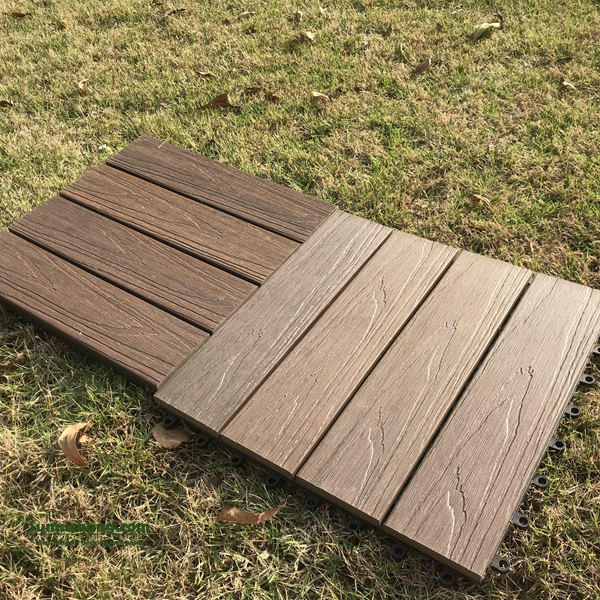
Current design trends favour the use of natural hues that mimic the look of wood without the associated maintenance. From rich browns to soft greys, the palette available in WPC cladding helps create a seamless transition between the built environment and nature. Textures play an equally vital role, as more homeowners are drawn to finishes that offer a tactile experience, inviting touch while improving grip underfoot. This holistic approach to design makes WPC an attractive option for contemporary architecture.
The Impact of Profiles on Aesthetics
The profile of WPC cladding can dramatically influence how a space feels and functions. Innovative designs, including tongue-and-groove and shiplap profiles, create sleek lines that can adapt to various architectural styles. These profiles not only contribute to the overall aesthetic but also provide structural integrity and ease of installation. When it comes to comparing WPC cladding price, understanding the relationship between design and construction efficiency is crucial.
Architects and designers are increasingly opting for modular designs that facilitate customisation. This adaptability allows for unique installations that can cater to the specific needs of the space. As a designer, one must keep in mind how these profiles will interact with the surrounding environment, ensuring that every angle and edge enhances the overall beauty of the outdoor area.
Textural Variations and Their Benefits
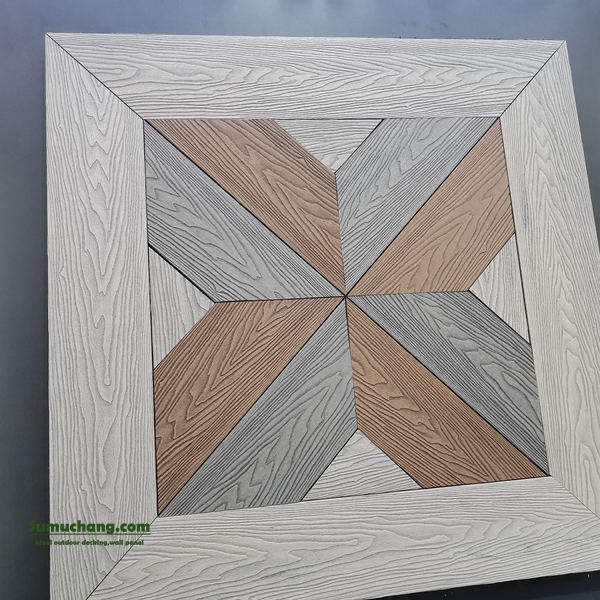
Textural variations in WPC products are becoming more pronounced, inviting an interplay between light and shadow that adds depth to outdoor spaces. Textured surfaces can help disguise wear and tear over time, making them a practical choice in addition to being visually appealing. The tactile nature of these surfaces can encourage interaction, drawing people into outdoor living areas. When comparing WPC cladding price, it is essential to consider how these textural elements will contribute to longevity and aesthetic richness.
Furthermore, the incorporation of innovative surface treatments can enhance the durability of WPC products against the elements. These treatments not only extend the lifespan of the cladding but also maintain its appearance, ensuring that the initial investment remains worthwhile over time. With the right balance of texture and colour, designers can create inviting environments that endure through the seasons.
Colours and Their Influence on Outdoor Spaces
Colour selection is paramount in outdoor design, as it can dramatically alter the perception of space. Neutral shades allow for flexibility in landscaping and furnishings, creating a versatile backdrop that complements various styles. Vibrant colours can be used sparingly to make a statement, while earth tones seamlessly blend with natural surroundings. When assessing WPC cladding price, the range of colours and the quality of the finish should be a fundamental consideration, as these factors influence the overall impact of the installation.
The psychological effects of colour should not be overlooked either. Calming blues and greens can promote relaxation, while warmer shades can invoke feelings of comfort and welcome. Designers should consider how different colours will affect the mood of outdoor areas, especially when they serve as extensions of living spaces.

Modular Designs for Versatility
Modular designs in WPC products offer unparalleled versatility, making them suitable for a variety of applications from decking to fences and pergolas. The ease of modularity allows for quick installation and the potential for future expansion or modification. This adaptability not only enhances the usability of outdoor spaces but can also play a significant role in how one compares WPC cladding price, as potential savings on installation and adjustments can be substantial.
By utilising modular components, designers can create unique configurations that respond to the specific needs of a project. This level of customisation aligns with modern design trends that favour both innovation and sustainability, ensuring that outdoor spaces remain functional, appealing, and true to the vision of the designer.