 한국어
한국어  English
  Español
  Français
  Português
  Deutsch
  Italiano
  Русский
  العربية
  简体中文
简体中文  香港中文
香港中文  日本語
日本語  Türkçe
  Nederlands
  Bahasa Indonesia
 The Rise of Wood Composite Decking Boards
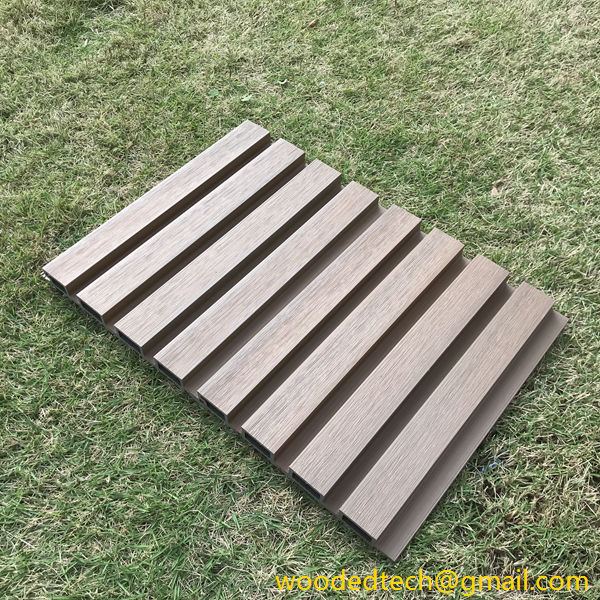
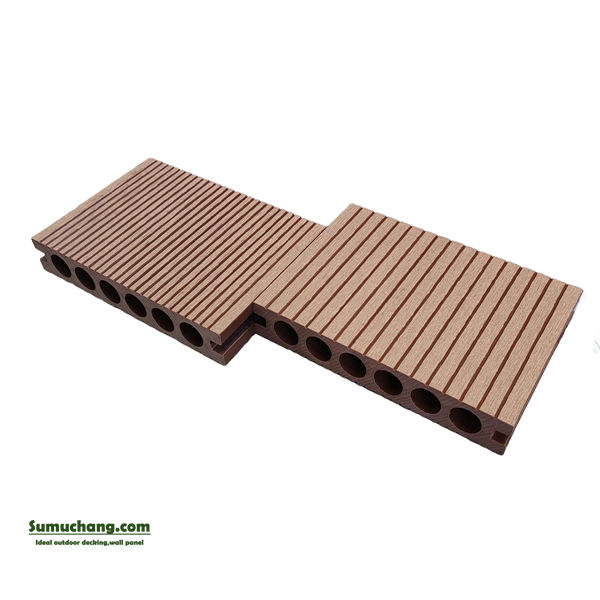
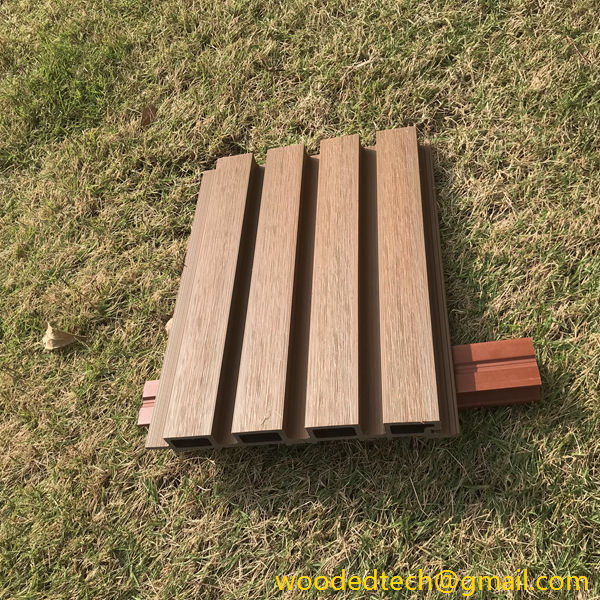
In recent years, wood composite decking boards have gained immense popularity within the outdoor building materials industry. As consumers increasingly seek sustainable and durable alternatives to traditional timber, wood-plastic composites (WPC) have emerged as a favoured choice for decking applications. This trend has been driven by a growing awareness of environmental issues, leading to a significant shift towards products that not only provide aesthetic appeal but also contribute to sustainability.
The versatility of wood composite decking boards makes them suitable for various applications, including residential patios, commercial walkways, and public spaces. Manufacturers are innovating continuously, introducing new textures, colours, and finishes that replicate the natural beauty of wood while offering enhanced performance characteristics. This combination of appearance and durability is a strong selling point, resulting in a steady rise in demand across global markets.
Environmental Benefits and Sustainability
One of the most compelling advantages of wood composite decking boards lies in their environmental benefits. Made from recycled wood fibres and plastic materials, these boards significantly reduce the reliance on virgin timber and help divert waste from landfills. As consumers grow more eco-conscious, they are increasingly drawn to products that align with their values and support sustainable building practices.
Furthermore, wood composite decking boards require minimal maintenance compared to traditional materials, which often need regular staining or sealing. This reduction in upkeep not only saves time but also decreases the use of harmful chemicals that can leach into the environment. As sustainability becomes a driving force in the construction industry, the demand for wood-plastic composites is expected to rise, offering vast opportunities for manufacturers and distributors alike.
Market Trends and Future Opportunities
Global trends indicate an upward trajectory for the composite decking market, which is projected to expand significantly in the coming years. Factors such as urbanisation, increased disposable income, and a growing preference for outdoor living spaces have all contributed to this growth. As more homeowners invest in their outdoor areas, the demand for wood composite decking boards is expected to soar, particularly in regions where outdoor living is an integral part of lifestyle.
Additionally, the rise of e-commerce platforms is reshaping the way consumers purchase outdoor building materials. Online sales have made it easier for customers to access a broader range of products and compare options before making a decision. This shift presents an exciting opportunity for manufacturers who can effectively market their wood composite decking boards through digital channels, thereby reaching a global audience.
Technological Advancements in Composite Materials
The continuous improvement of manufacturing processes has led to the development of advanced wood composite decking boards that offer enhanced durability, slip resistance, and weather resistance. Innovations in composite technology have resulted in boards that are not only longer-lasting but also more aesthetically pleasing, allowing for a broader range of applications.

As the technology evolves, manufacturers are likely to explore new materials and formulations, paving the way for even more sustainable options. The ongoing research into biodegradable composites and the use of natural fibres is indicative of the industry’s commitment to sustainability and innovation. This focus on technological advancement will undoubtedly provide further market opportunities as consumers seek the best materials for their outdoor projects.
Global Influence and Regional Markets
The wood composite decking boards market is not homogeneous; various regions exhibit distinct preferences and growth rates. North America and Europe currently hold substantial market shares, driven by advanced infrastructure and environmental awareness. Meanwhile, Asia-Pacific is poised to become a significant player in the global market due to rapid urban development and increasing construction activities.
In regions where traditional wood sourcing poses environmental challenges, the transition to wood composite materials is particularly advantageous. Understanding these regional dynamics will be essential for businesses aiming to capture market share and tailor their strategies accordingly. By leveraging local trends and consumer preferences, companies can effectively position their wood composite decking boards to meet the growing demand.