 한국어
한국어  English
  Español
  Français
  Português
  Deutsch
  Italiano
  Русский
  العربية
  简体中文
简体中文  香港中文
香港中文  日本語
日本語  Türkçe
  Nederlands
  Bahasa Indonesia
 Benefits of Construction Wall Panels in Modern Architecture
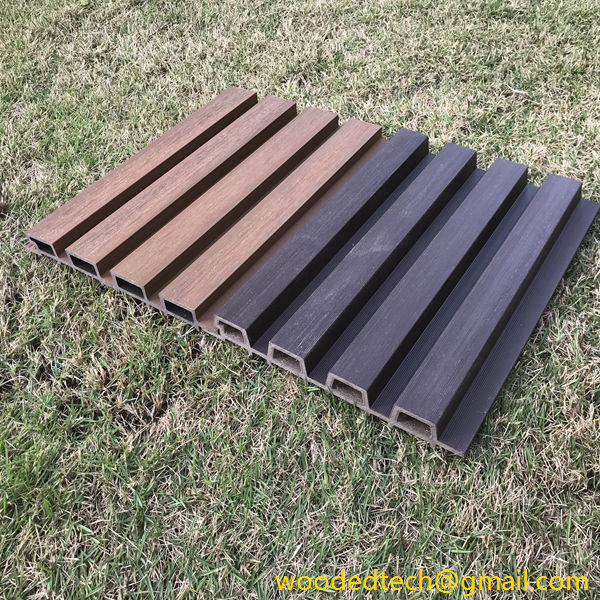
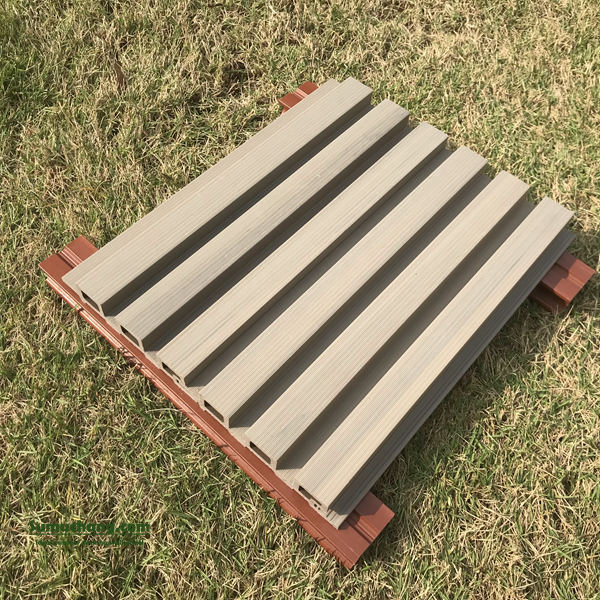
Construction wall panels have emerged as a transformative element in modern building design, significantly enhancing aesthetic appeal and structural integrity. By offering a versatile solution, wall panels cater to a range of architectural styles while providing superior insulation and durability. These panels are manufactured using advanced materials, including wood-plastic composites (WPC), which combine the best attributes of wood and plastic, resulting in products that resist rot, moisture, and insect damage. As sustainability becomes increasingly important, the eco-friendly nature of these materials aligns with global trends towards greener construction.
The integration of construction wall panels into modern buildings not only improves energy efficiency but also streamlines the construction process. With reduced installation time and fewer materials needed, builders can achieve faster project completion without compromising on quality. This efficiency is vital in today’s competitive market, where timelines are often tight and cost overruns can threaten project viability.
Global Trends in WPC Wall Cladding
The global market for WPC wall cladding is witnessing a notable surge driven by heightened consumer awareness regarding sustainable building practices. As architects and builders embrace environmentally responsible materials, WPC wall cladding stands out due to its durability and low maintenance requirements. Trends indicate an increasing preference for pre-finished panels that not only reduce waste but also eliminate the need for painting or staining, further appealing to eco-conscious consumers.
Regions like North America and Europe are leading the charge in adopting WPC wall cladding, but emerging markets in Asia Pacific are catching up rapidly. Countries such as India and China are experiencing a construction boom, with urbanisation driving demand for innovative building materials. This presents a significant opportunity for manufacturers to expand their reach and cater to an evolving market that values both aesthetics and sustainability.
Market Opportunities in Composite Decking and Outdoor Products
As the market evolves, there is a pronounced shift towards customisable solutions that allow consumers to tailor products to their specific needs. This flexibility not only enhances customer satisfaction but also fosters brand loyalty, creating a win-win situation for both manufacturers and end-users. Additionally, companies that can provide innovative designs and superior technology will likely capture a larger share of this expanding market.
The Role of Sustainable Practices in Wall Panel Development
As the construction industry increasingly prioritises sustainability, the development of construction wall panels is shifting towards eco-friendly practices. Manufacturers are now exploring bio-based materials, recycled content, and low-impact production processes to create products that meet stringent environmental standards. This approach not only appeals to environmentally conscious consumers but also complies with regulations aimed at reducing carbon footprints.
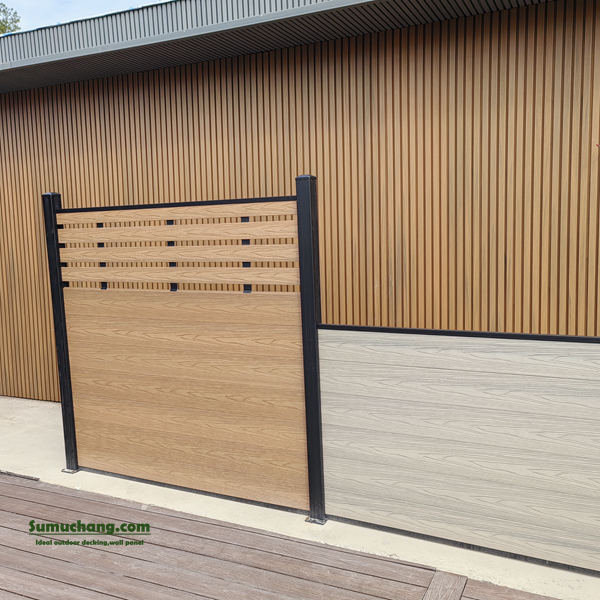
The future of construction wall panels will likely see an emphasis on circular economy principles, where materials are designed for reusability and recyclability. This not only conserves resources but also positions companies as responsible industry leaders, enhancing their brand image in an eco-aware market. The adoption of sustainable practices will be a key differentiator as competition intensifies globally.
Future Developments in Wall Panel Technology
The technological advancements in wall panel production are setting the stage for innovative applications and improved performance characteristics. Smart wall panels, embedded with technology that can regulate energy consumption or monitor environmental conditions, represent a burgeoning area of research and development. These features enhance the functionality of buildings and contribute to energy efficiency, appealing to both commercial and residential markets.
Moreover, as the demand for prefabricated building solutions grows, manufacturers of construction wall panels are well-positioned to benefit from this trend. Prefabrication allows for off-site construction, reducing labour costs and waste while improving quality control. This shift towards modern methods of construction will continue to shape the future landscape of building materials, offering exciting opportunities for growth and innovation in the sector.