 한국어
한국어  English
  Español
  Français
  Português
  Deutsch
  Italiano
  Русский
  العربية
  简体中文
简体中文  香港中文
香港中文  日本語
日本語  Türkçe
  Nederlands
  Bahasa Indonesia
 Exterior Waterproof Wall Panels: A Solution for Building Protection
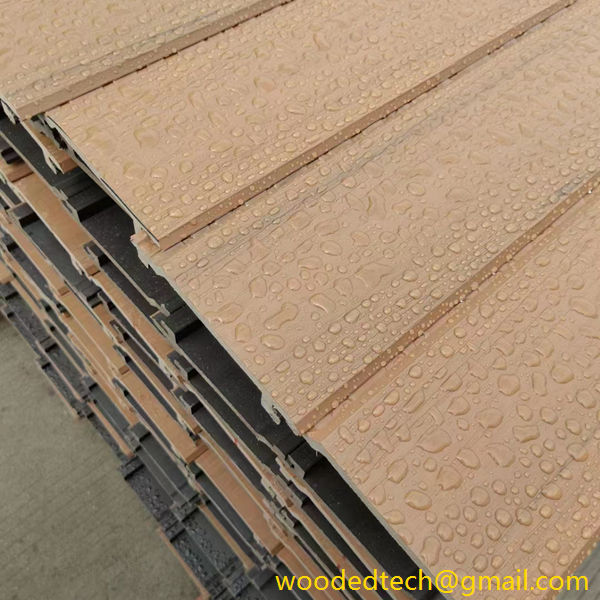
Architects and landscape designers increasingly recognise the value of exterior waterproof wall panels in enhancing building protection. These innovative materials are designed to withstand the elements, providing a durable barrier against moisture, UV rays, and other environmental stressors. The versatility of these panels allows them to be used in various applications, from residential homes to commercial structures, ensuring longevity and minimal maintenance, which is a significant advantage in outdoor environments.
Choosing the right waterproof wall panel involves understanding the specific needs of a project. The aesthetic appeal, thermal insulation properties, and structural integrity all play crucial roles in material selection. For instance, wood-plastic composite (WPC) panels combine the natural beauty of wood with the durability of plastic, making them an excellent choice for architects looking to create high-end, sustainable designs.
Material Selection for Outdoor Environments
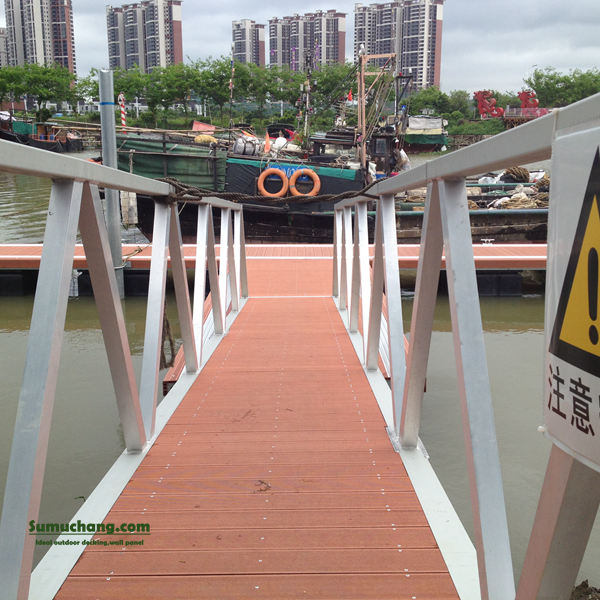
When selecting materials for outdoor applications, factors such as weather resistance and ease of installation are paramount. WPC products are engineered to resist moisture and decay, making them ideal for exterior applications. Their composition allows for greater flexibility in design while still maintaining structural strength. Landscape designers often recommend WPC for projects involving waterfront properties or areas prone to dampness, as these panels significantly reduce the risk of mould and algae growth.
In addition to moisture resistance, the thermal performance of exterior waterproof wall panels should be considered. Insulation properties can directly affect energy efficiency, helping buildings maintain comfortable temperatures without excessive heating or cooling. Selecting a product with good thermal resistance can lead to substantial savings in energy costs over time.
Durability and Low Maintenance Benefits
The durability of exterior waterproof wall panels cannot be overstated. Traditional materials often require regular maintenance and replacement, which can be both costly and labor-intensive. In contrast, WPC panels are designed for longevity, resisting fading and warping even in harsh weather conditions. For landscape architects, this is a compelling argument for incorporating WPC into their designs, as it lessens the need for frequent upkeep and repairs.
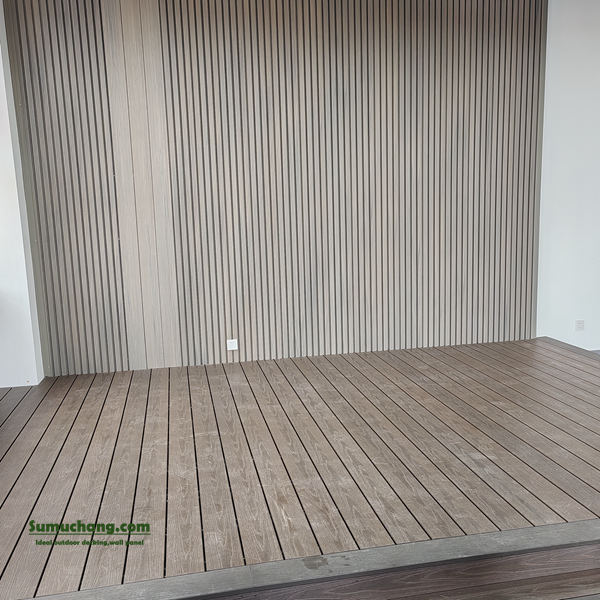
Furthermore, the low maintenance aspect of these panels means that they are not only cost-effective but also environmentally friendly. The reduction of waste associated with frequent replacements aligns with sustainable building practices, which are increasingly important in today’s construction industry. Landscape designers can offer clients a solution that contributes to a more sustainable future while providing the aesthetic qualities they desire.
Project Considerations in Design
When integrating exterior waterproof wall panels into a landscape design, several project considerations must be taken into account. The layout of the space, the intended use of the area, and the surrounding environment all influence the choice of materials. For example, in a coastal setting, where saltwater and high winds are factors, selecting panels specifically designed for such conditions is crucial. These decisions not only impact the visual appeal but also the performance of the building over time.
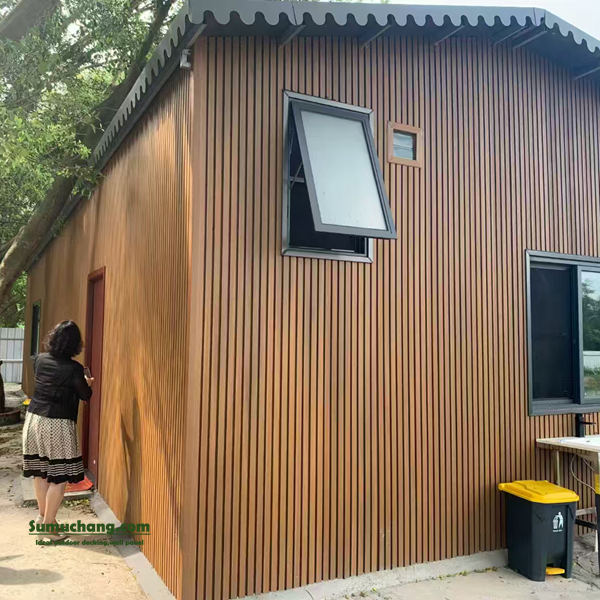
Collaboration with architects and builders is essential for ensuring that the selected panels meet the project’s structural requirements. The installation process should be thoroughly planned, taking into account the necessary support structures and anchoring techniques that will maintain the integrity of the wall panels. This collaboration helps mitigate potential issues during the construction phase, leading to a smoother project execution.
Innovative Applications of WPC Panels
The versatility of WPC exterior waterproof wall panels allows for innovative applications beyond traditional use. They can be creatively employed in combination with other materials, such as glass or metal, to achieve unique architectural aesthetics. This adaptability opens the door for landscape architects to push boundaries and explore new design possibilities that stand out in the competitive market.
Moreover, these panels can be used in various forms such as fencing, cladding, or decorative features that enhance the overall environment. By integrating WPC panels, landscape designers can create outdoor spaces that are not only visually appealing but also functional and resilient against environmental challenges.