 한국어
한국어  English
  Español
  Français
  Português
  Deutsch
  Italiano
  Русский
  العربية
  简体中文
简体中文  香港中文
香港中文  日本語
日本語  Türkçe
  Nederlands
  Bahasa Indonesia
 Composite Decking Versus Natural Wood and Traditional Timber
Composite decking has steadily gained traction within architectural and landscape design sectors as a viable alternative to natural wood and traditional timber. One of the noteworthy installation considerations is the use of composite decking 24 inch centers, which refers to the spacing between joists that support the decking boards. Unlike natural timber, which often requires joist spacing of around 16 inches for adequate support, composite decking can be installed with wider spacing owing to its engineered strength and durability.
Natural wood offers aesthetic warmth and is often valued for its organic appearance and texture. However, it demands frequent maintenance such as staining and sealing, and is prone to warping, splitting, and rot when exposed to outdoor elements. Traditional timber can be relatively affordable initially but often incurs higher lifecycle costs due to replacement and upkeep. Composite decking, on the other hand, composed of wood fibres and plastic, exhibits superior resistance to moisture, insects, and ultraviolet degradation. This advantage permits more generous joist spacing such as 24 inch centers without compromising structural integrity or safety.

Comparing Composite Decking with Aluminium and Other Exterior Materials
In addition to wood and timber, aluminium decking has emerged as a contender in outdoor construction, particularly for commercial or high-traffic applications. Aluminium is lightweight and exceptionally durable, resisting corrosion and requiring minimal maintenance. However, its thermal conductivity means that it can become uncomfortably hot in direct sunlight, unlike composite materials which tend to maintain a more moderate surface temperature.
Composite decking installed on 24 inch centers benefits from the material’s inherent flexibility combined with its strength, allowing for fewer joists and potentially faster installation times. Other exterior materials such as PVC decking share some of these benefits but often lack the tactile appeal of composite’s wood content. While aluminium or PVC may require closer joist spacing or specific fasteners, composite decking’s structural properties support wider joist spacing, which can reduce material costs and labour.
Maintenance Requirements and Installation Efficiency
One of the primary advantages of composite decking is its low maintenance profile compared with natural wood. Installation over 24 inch centres means fewer joists, reducing the amount of framing timber needed, which translates to less time spent on construction and lower overall labour expenses. This wider spacing is feasible because composite boards resist sagging and deflection better than timber, maintaining a firm, level surface over time.
While natural wood decks require regular sanding, painting, or staining to maintain appearance and structural health, composite decks typically only need periodic cleaning with soap and water. As a result, property owners and landscape contractors benefit from lower ongoing costs and reduced downtime for repairs. The reduction in joist density also minimises material consumption, aligning with sustainable building principles by cutting waste and resource use.
Lifecycle Costs and Sustainability Considerations
From a lifecycle cost perspective, composite decking installed on 24 inch centers offers an attractive balance of upfront investment versus longevity. Although the initial price of composite boards can be higher than untreated timber, the diminished maintenance requirements and extended lifespan contribute to better value over time. Composite materials resist weathering, insect damage, and moisture ingress far better than natural wood, reducing the risk of costly repairs or premature replacement.
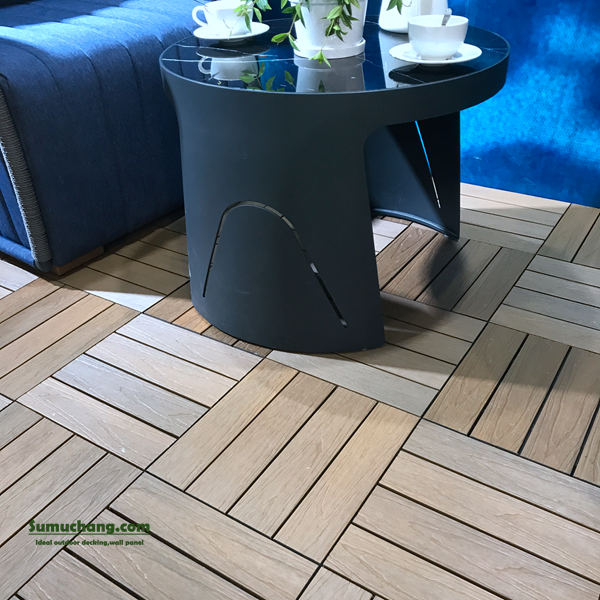
Moreover, many composite decking products incorporate recycled materials and are themselves recyclable, supporting sustainability goals within construction projects. The reduced need for framing timber due to wider joist spacing further decreases environmental impact. By contrast, timber sourced unsustainably or treated with harmful chemicals may have higher ecological and health costs embedded in its supply chain.
Installation Challenges and Best Practices for 24 Inch Centers
While composite decking can accommodate joist spacing of 24 inch centers, special attention is required during installation to ensure structural performance. Boards must be properly supported and fastened using manufacturers’ recommended clips or screws to prevent movement and allow for thermal expansion. Failure to adhere to specifications may result in premature board warping or loosening.
Outdoor WPC product designers and installation technicians often advocate for thorough planning of joist layout, considering load-bearing needs and anticipated foot traffic. The ability to use wider joist spacing can speed up construction and lower material costs, but only if the decking system is engineered accordingly. Skilled installers understand that composite decking, while more forgiving than timber, still demands precision and adherence to best practice for long-term durability.