 한국어
한국어  English
  Español
  Français
  Português
  Deutsch
  Italiano
  Русский
  العربية
  简体中文
简体中文  香港中文
香港中文  日本語
日本語  Türkçe
  Nederlands
  Bahasa Indonesia
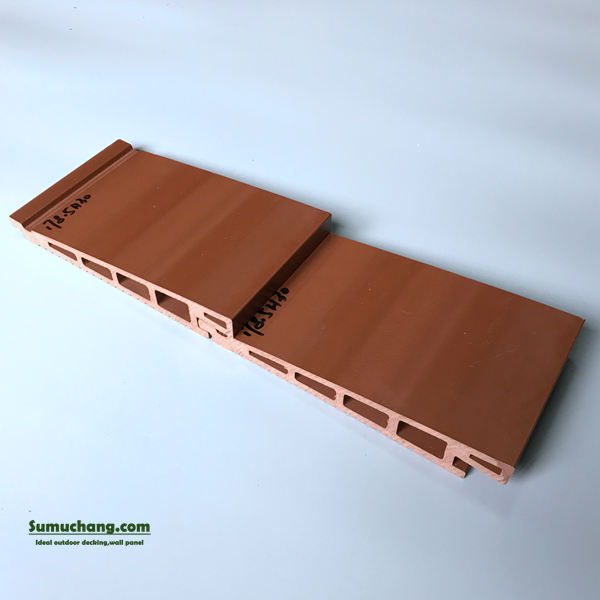
 Preparing for WPC Slatted Cladding Installation
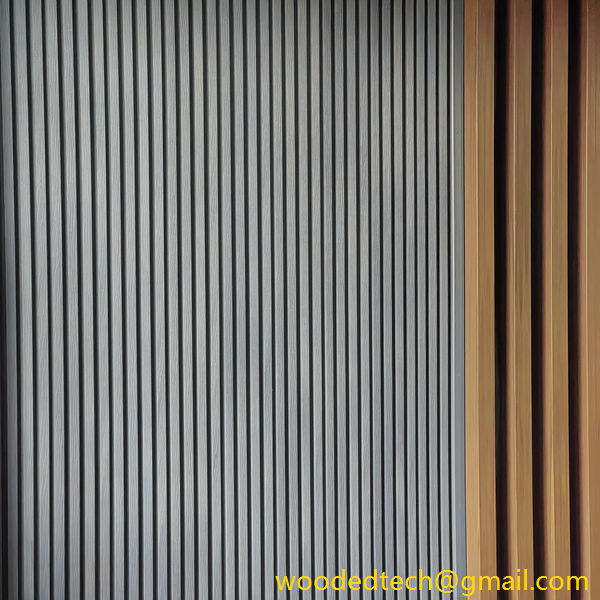
Before embarking on the installation of wpc slatted cladding for outdoor spaces, it is essential to prepare your subframe thoroughly. A well-structured subframe acts as the backbone of the entire cladding system, ensuring stability and durability. Begin by selecting appropriate bearers, typically made from treated timber or metal, which should be spaced correctly to support the panels. The spacing is crucial; typically, bearers should be positioned at intervals of 400mm to 600mm, depending on the specific requirements of the WPC material used and the manufacturer’s guidelines.
Once the bearers are installed, check for level and alignment using a spirit level. This ensures that the surface will be even and visually appealing once the panels are attached. Any unevenness in the frame could lead to installation issues down the line. Additionally, ensure that the area is free from debris, as dirt and dust can affect the adhesion of the cladding.
Fixing Methods for WPC Slatted Cladding
There are various fixing methods available for securing wpc slatted cladding to the subframe, and the choice depends on the specific design and aesthetic requirements. The two most common methods are face-fixing and hidden fixing systems. Face-fixing involves directly screwing the panels into the bearers, which is straightforward and provides immediate feedback on alignment. However, this method may expose screw heads, which can detract from the visual appeal.
On the other hand, hidden fixing systems employ clips and brackets that are concealed once the cladding is installed. This method enhances the overall look of the installation by providing a clean, uninterrupted surface. Regardless of the method chosen, ensure that the screws or clips used are compatible with WPC materials to prevent corrosion and ensure longevity. Always follow the manufacturer’s guidelines for the specific cladding product, as they may have particular recommendations for fixing methods.
Importance of Expansion Gaps
WPC slatted cladding is designed to withstand various weather conditions, but it is still subject to thermal expansion and contraction. To accommodate this natural movement, it is vital to leave appropriate expansion gaps during installation. Typically, a gap of 5mm to 10mm should be maintained between the cladding panels and any adjacent structures. This allows for the natural expansion that occurs with temperature fluctuations, preventing warping and buckling over time.
When determining the exact size of the gaps, consider the specific climate of the installation area as well as the product specifications. In extreme temperature regions, larger gaps may be necessary. Additionally, ensure that any gaps around the edges of the cladding are uniform and aesthetically pleasing, as this contributes to the overall appearance of the finished project.
Cutting WPC Panels to Size
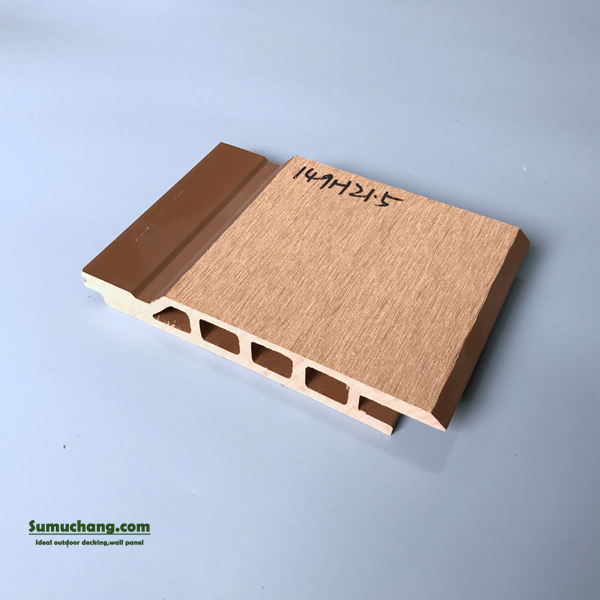
Accurate cutting of wpc slatted cladding panels is essential for a professional finish. Use a fine-toothed saw, such as a mitre saw or a circular saw fitted with a suitable blade, to achieve clean cuts without splintering. Measure carefully and mark the panels clearly before cutting, as mistakes can lead to gaps and unevenness in the final installation.
When cutting, always wear appropriate personal protective equipment, including goggles and a dust mask, to protect yourself from debris and dust. After cutting the panels, it is advisable to sand down the edges to eliminate any rough spots, ensuring that the panels fit snugly against one another and the subframe. This attention to detail will enhance both the practicality and aesthetic value of the cladding.
Maintenance Tips for Longevity
Maintaining wpc slatted cladding is relatively straightforward, contributing to its appeal as a long-lasting outdoor solution. Regular cleaning is essential to remove dirt, grime, and any potential mould growth. A simple solution of warm soapy water and a soft brush can effectively clean the surface without damaging the material. Avoid using harsh chemicals or pressure washers, as these can degrade the surface finish over time.
Additionally, inspect the installation periodically for any signs of wear, particularly around the fixing points. Ensure that all screws and clips remain tight and that the panels are secure. If any panels become damaged, replace them promptly to maintain the integrity and appearance of the cladding. These simple maintenance steps will significantly prolong the lifespan and beauty of your wpc slatted cladding.
Enhancing Outdoor Spaces with WPC Slatted Cladding
WPC slatted cladding has a transformative effect on outdoor spaces, not only improving aesthetic appeal but also enhancing functionality. By following proper installation techniques, including meticulous preparation, appropriate fixing methods, adequate expansion gaps, precise cutting, and ongoing maintenance, you can ensure an impressive and durable installation. This approach not only elevates the appearance of your walls but also reinforces the structural integrity of your outdoor environment.