 한국어
한국어  English
  Español
  Français
  Português
  Deutsch
  Italiano
  Русский
  العربية
  简体中文
简体中文  香港中文
香港中文  日本語
日本語  Türkçe
  Nederlands
  Bahasa Indonesia
 Functionality of WPC Wall Panels in Exterior Applications
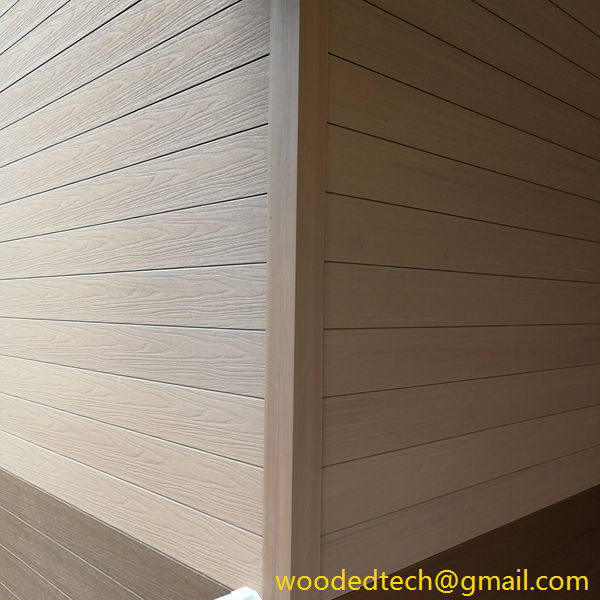
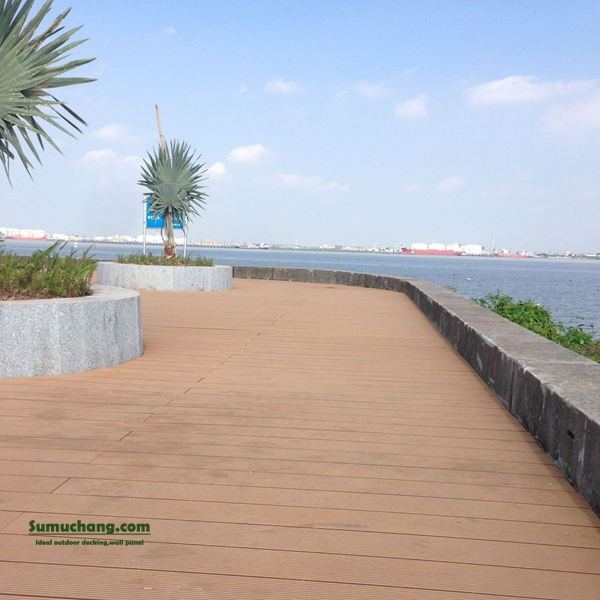
WPC wall panels, crafted from a blend of wood fibres and thermoplastics, present a compelling alternative for exterior applications. Their unique composition allows them to resist moisture, rot, and pests, which are common concerns with traditional timber. This durability makes WPC wall panels a preferred choice for outdoor settings, where exposure to the elements can significantly reduce the lifespan of standard wooden materials. The engineered nature of WPC ensures that these panels can maintain their appearance and structural integrity over time, offering a stable solution for architects and builders alike.
When assessing how WPC wall panels work in outdoor environments, it is essential to consider their installation flexibility. These panels can be easily cut and shaped to fit various architectural styles, making them suitable for modern designs and traditional aesthetics alike. Unlike natural wood, which may warp or crack with temperature fluctuations, WPC maintains a consistent shape, ensuring that the façade remains visually appealing and functional.
Comparative Analysis with Natural Wood
Natural wood has long been a staple in exterior applications due to its aesthetic appeal and thermal properties. However, its disadvantages become apparent when faced with environmental challenges. Wood is prone to decay, requires regular treatments, and is susceptible to pest infestations. WPC wall panels address these issues by offering a low-maintenance option that does not require frequent sealing or staining, thus reducing long-term upkeep costs. Furthermore, WPC panels do not absorb moisture in the same way that wood does, allowing them to resist mould and mildew, which can lead to health concerns in damp conditions.
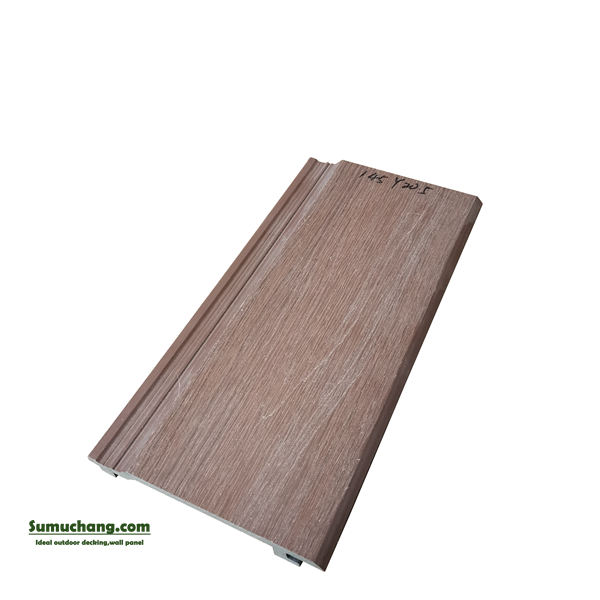
While the natural beauty of wood is undeniable, advancements in WPC technology have led to products that mimic the appearance of wood grain, allowing architects to achieve similar visual effects without sacrificing performance. This is particularly advantageous in exterior applications where aesthetics play a significant role alongside functionality.
Traditional Timber versus WPC
Traditional timber has a warm, organic feel that many find appealing for exterior applications. However, it typically requires extensive maintenance to preserve its beauty and structural integrity. Regular treatments, painting, or staining can become costly and time-consuming. In contrast, WPC wall panels offer a more sustainable choice by significantly reducing the need for chemical treatments, which can be harmful to the environment. Consequently, the lifecycle costs associated with WPC are often much lower when factoring in both maintenance and replacement.
Moreover, the installation of WPC panels can be quicker compared to traditional timber. With pre-fabricated options available, builders can save significant time on-site, leading to overall project efficiency. This aspect is particularly appealing in commercial applications where time is often of the essence.
WPC versus Aluminium and Other Exterior Materials
Aluminium has emerged as a strong contender in the exterior materials market, known for its lightweight properties and resistance to corrosion. However, it often lacks the warmth and aesthetic appeal that many homeowners desire. WPC wall panels bridge this gap by offering a visually appealing alternative that also provides excellent durability. Unlike aluminium, which can conduct heat, WPC remains cooler to the touch, contributing to more comfortable outdoor spaces during the warmer months.
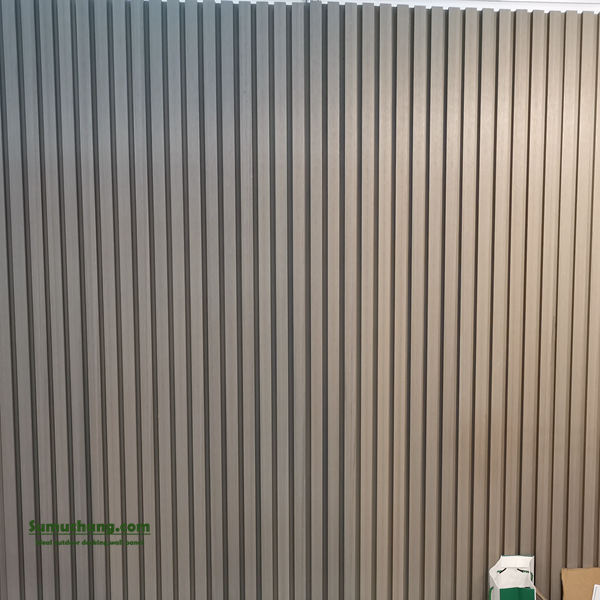
When placed alongside other materials such as vinyl or composite options, WPC tends to outperform in terms of thermal insulation and sound dampening. This makes WPC wall panels an attractive solution for residential applications, especially in urban areas where noise pollution can be a concern. Additionally, the environmental benefits of using recycled materials in WPC production further enhance its appeal for today’s eco-conscious consumers.
Maintenance and Lifecycle Considerations
Maintenance is a crucial factor in the longevity of any exterior material. WPC wall panels require minimal maintenance compared to traditional wood, which needs regular treatments to stave off deterioration. WPC products typically only require occasional cleaning with soap and water to maintain their aesthetic appeal. This simplicity in maintenance translates to lower lifecycle costs, making WPC a financially savvy choice for property developers and homeowners alike.
Furthermore, the production of WPC wall panels often emphasises sustainability, with many manufacturers focusing on reducing their carbon footprint. This not only enhances the appeal of WPC but also aligns with the growing demand for environmentally responsible building materials. The longevity and minimal upkeep required for WPC panels contribute to a lifecycle that is both economical and environmentally friendly, positioning them as a wise investment for modern constructions.