 한국어
한국어  English
  Español
  Français
  Português
  Deutsch
  Italiano
  Русский
  العربية
  简体中文
简体中文  香港中文
香港中文  日本語
日本語  Türkçe
  Nederlands
  Bahasa Indonesia
 Factors Influencing Composite Deck Cost
Calculating the cost of a composite deck for outdoor renovation involves various factors that can significantly influence the final price. The type of composite material chosen plays a pivotal role. Wood-plastic composites (WPC) are renowned for their durability and low maintenance, making them an appealing option for landscape projects. The quality of the WPC material affects both the lifespan and aesthetics of the finished deck. Higher-quality composites may have a higher initial cost but often save money in the long run, due to reduced maintenance and longer durability.
Another critical factor is the size and complexity of the deck design. Larger decks will naturally require more materials and labour, which will increase the composite deck cost. Additionally, intricate designs that include curves or multi-level structures demand more skilled workmanship, further adding to the overall expenditure. Taking these elements into consideration can provide a clearer picture of the project’s budget.
Material Selection for Outdoor Spaces
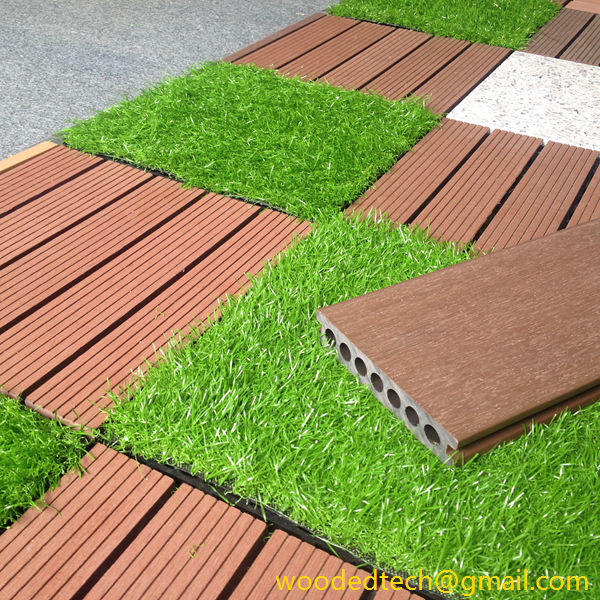
When selecting materials for a composite deck, architects and landscape designers must consider not just the aesthetic appeal, but also functionality and sustainability. WPC products are particularly advantageous as they are resistant to rot and insect damage, which are common issues in traditional wood decks. Furthermore, they are available in a variety of colours and finishes, allowing for creative freedom in design.
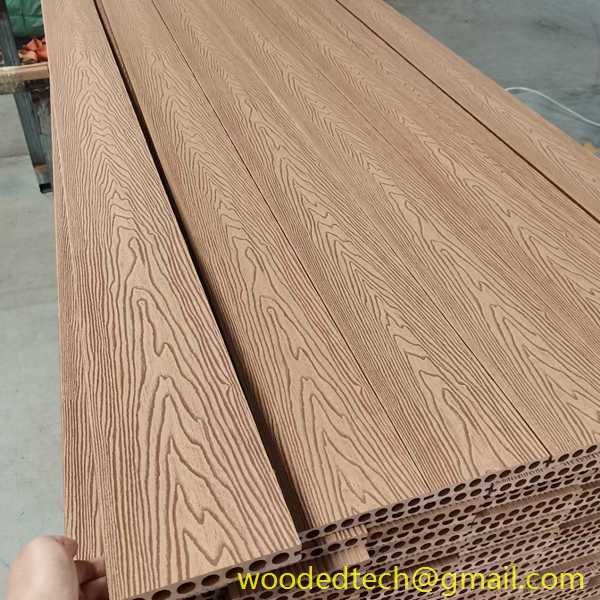
Choosing the right surface texture is equally important. Smooth finishes might appeal to some for their sleek appearance, while textured options can offer enhanced slip resistance, making them safer for outdoor environments. The choice of colour can also impact heat absorption, which is an essential consideration in warmer climates. Understanding these nuances can help in selecting a composite material that aligns with the desired outcome of the outdoor space.
Labour Costs and Installation Techniques
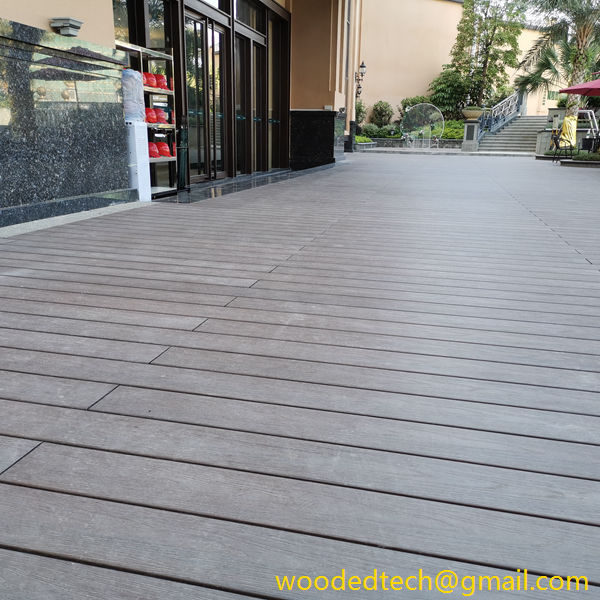
Labour costs represent a significant portion of the composite deck cost. Experienced contractors who specialise in composite materials are essential for ensuring a flawless installation. Poor installation can lead to future issues such as warping or inadequate drainage, which can ultimately be more costly to rectify than the initial installation. Therefore, investing in skilled labour is necessary to secure a long-lasting structure.
In addition, the installation techniques employed can affect overall costs. For instance, hidden fastener systems, while more expensive, provide a clean appearance and can contribute to the overall durability of the deck. Traditional installation methods might be less expensive upfront but can lead to additional costs down the line. Evaluating the pros and cons of each technique is crucial in maintaining budgetary constraints while ensuring quality.
Long-term Costs and Maintenance Considerations
While the initial composite deck cost may seem steep, it is essential to consider the long-term benefits. WPC materials are designed to resist fading, staining, and scratching, which reduces the need for frequent replacements or repairs. This aspect is particularly appealing for homeowners and businesses looking to create low-maintenance outdoor environments. Maintenance costs for traditional wood decks can accumulate significantly over time due to regular staining and sealing, whereas composites typically require only periodic cleaning.
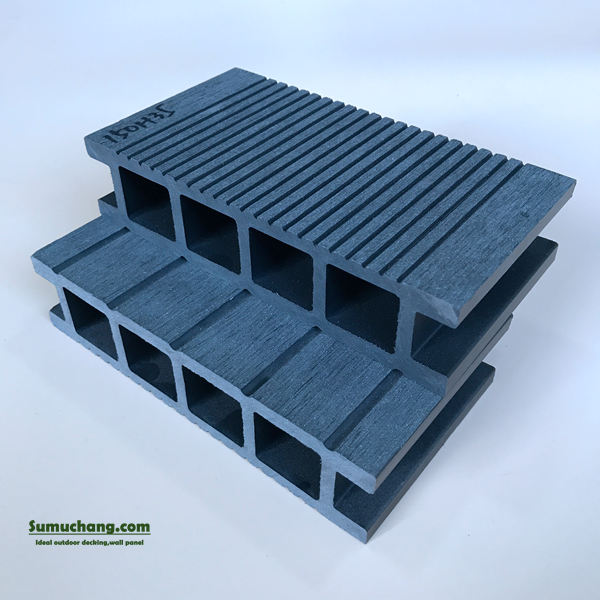
Furthermore, energy efficiency plays a role in the long-term cost equation. WPC products are often made from recycled materials, thus contributing to sustainability goals while potentially offering tax incentives for environmentally conscious buildings. These factors can make composite decking a more financially sound investment when viewed through a long-term lens.
Project Planning and Budget Management
Effective project planning is vital for managing the budget associated with composite decking. Including all aspects of the project, such as design, materials, labour, and potential unforeseen costs, ensures that there are no unpleasant surprises. Collaborating with architects and landscape engineers early in the planning stages allows for a clearer understanding of the total composite deck cost and helps in making informed decisions about material selection and design complexity.

Additionally, considering seasonal factors can also impact costs. Scheduling the project during off-peak seasons may yield more competitive quotes from contractors. Taking all these elements into account enables a smoother renovation process while ensuring the developed outdoor space meets both aesthetic and functional requirements.