 한국어
한국어  English
  Español
  Français
  Português
  Deutsch
  Italiano
  Русский
  العربية
  简体中文
简体中文  香港中文
香港中文  日本語
日本語  Türkçe
  Nederlands
  Bahasa Indonesia
 Material Composition of Composite Decking
The choice of materials in composite decking 2 x 6 products significantly influences their durability and performance. Typically, these products are made from a blend of wood powder, HDPE or PVC polymers, and various additives. Wood powder provides a natural appearance and helps in achieving the desired texture, while polymers like HDPE or PVC enhance moisture resistance and structural integrity. The ratio of these components can vary; a higher percentage of wood powder may offer a more authentic look but can compromise moisture resistance if not balanced correctly with the polymers.
Moreover, additives such as UV stabilisers and anti-fungal agents are crucial in extending the lifespan of composite decking. These substances protect the material from the degrading effects of sunlight and mould, which are particularly important in outdoor settings. Additionally, pigments are added to enhance colour and aesthetic appeal, but they must be chosen carefully to ensure they do not affect the material’s overall performance.
Quality Control Measures in Production
To maintain high standards in composite decking manufacturing, rigorous quality control measures must be implemented throughout the production process. As a raw material quality control engineer, I focus on inspecting the raw materials before they enter the production line. This includes checking the wood powder for particle size and moisture content, as excessive moisture can lead to swelling and other issues during processing.
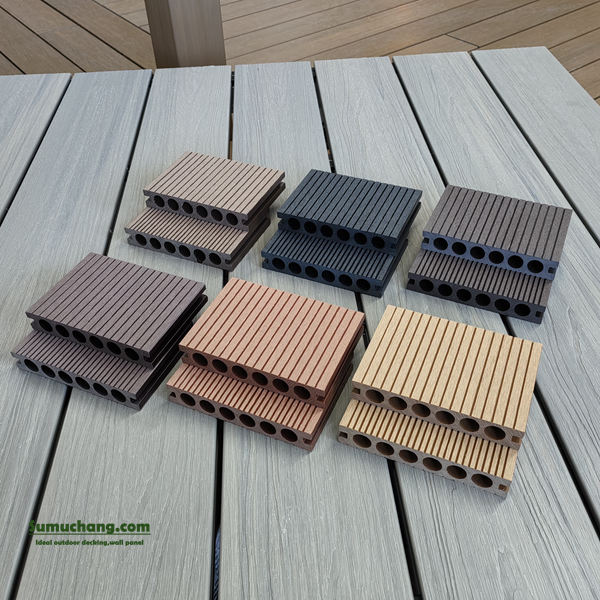
During production, monitoring the extrusion parameters is essential. Variations in temperature and pressure can significantly impact the final product’s consistency and quality. Regular sampling of the output for physical and mechanical properties, such as tensile strength and moisture absorption, ensures adherence to industry standards. These inspections should be conducted at various stages, from raw material input to finished product testing.
Impact of Additives on Performance
The selection of additives plays a pivotal role in the performance of composite decking 2 x 6. For instance, anti-UV agents are essential for preventing fading and degradation caused by prolonged sun exposure. Without these additives, the decking may lose its colour and structural integrity over time, leading to a higher frequency of replacement and increased costs for homeowners.
Fire retardant additives are also important, especially in regions prone to wildfires or where building codes require fire-resistant materials. These additives work by reducing the flammability of the decking, providing an added layer of safety for outdoor structures. Regular testing for compliance with fire safety standards should be part of the quality assurance protocols.
Weather Resistance and Longevity
Weather resistance is a key consideration for outdoor composite decking. Materials must be able to withstand extreme temperatures, rain, snow, and UV exposure without compromising their structural integrity. The combination of quality polymers with wood powder is crucial for achieving this balance. While wood powder adds aesthetic value, it must be adequately protected by the polymer matrix to prevent moisture ingress.

Longevity is also impacted by the product’s overall design, including the thickness and profile of the decking boards. A thicker board may offer better impact resistance and performance under heavy loads, which is particularly valuable for high-traffic areas. Quality inspections should include assessments of the product’s ability to resist warping or cracking under extreme weather conditions.
Regulatory Compliance and Standards
Meeting regulatory compliance and industry standards is non-negotiable for manufacturers of composite decking. Various standards exist that dictate performance metrics for outdoor materials, including dimensions, mechanical properties, and resistance to environmental factors. Ensuring that our composite decking 2 x 6 products meet these standards not only enhances their marketability but also provides assurance to consumers regarding their safety and durability.
Regular audits and certifications by third-party organisations can bolster credibility in the market. It is essential for manufacturers to stay updated with changes in regulations to ensure ongoing compliance and maintain a competitive edge in the industry. Continuous improvement processes should be established to refine manufacturing methods, ensuring that all products not only meet but exceed the required standards.