 한국어
한국어  English
  Español
  Français
  Português
  Deutsch
  Italiano
  Русский
  العربية
  简体中文
简体中文  香港中文
香港中文  日本語
日本語  Türkçe
  Nederlands
  Bahasa Indonesia
 Selecting the Right Materials for 24 ft Composite Deck Boards
Choosing the right materials for 24 ft composite deck boards is the first step in ensuring a successful outdoor decking project. Composite materials are typically a blend of recycled wood fibres and plastic, which provides durability and resistance to environmental factors. The choice of raw materials plays a significant role in the overall performance of the board, influencing aspects such as colour retention, structural integrity, and longevity. Ensuring that the wood fibres are of high quality and the plastics are UV-stabilised can greatly enhance the lifespan of the decking.
Moreover, the proportion of wood to plastic in the composite formulation can be adjusted to suit specific requirements. A higher percentage of wood may offer a more natural appearance, but it could affect the board’s resistance to moisture and mould. Conversely, a higher plastic content can improve overall durability and ease of maintenance, making it an ideal choice for larger decks that experience heavy foot traffic.
The Process of Material Mixing
The mixing process is essential to achieving a uniform composite material that will extrude well. Raw materials, including recycled wood fibres, thermoplastics, and additives, are fed into mixing equipment. This phase requires precision; achieving the right blend can influence the colour and texture of the final product. During this stage, colourants can be added to create the desired aesthetic appeal. The mixing must be thorough to prevent inconsistencies that could lead to defects in the finished board.
Advanced technologies, such as twin-screw extruders, are often employed to ensure a homogeneous mixture. These machines not only mix the materials but also help to increase the efficiency of the process by incorporating heat and shear forces. The outcome is a well-blended material that can be easily pelletised for the subsequent extrusion process.
Pelletising for Consistency
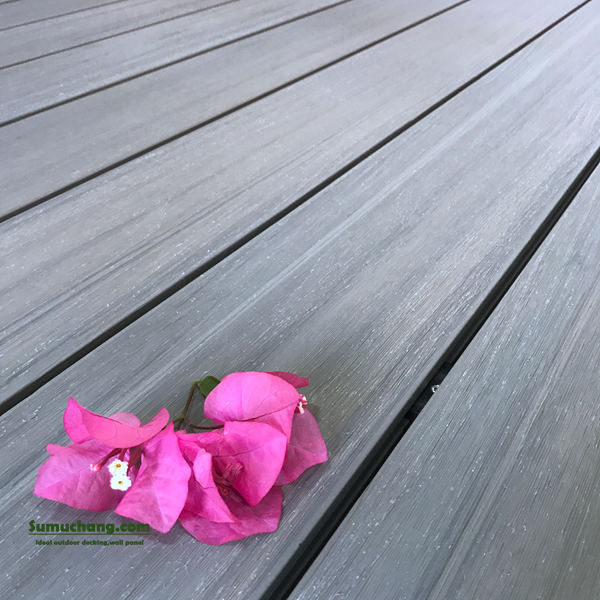
Pelletising is another crucial step in the production of 24 ft composite deck boards. The blended material is transformed into pellets, which are easier to handle and feed into the extruder. The pelletising process involves heating the mixture until it becomes pliable and then forcing it through a die to create uniform pellets. This step is vital for ensuring that the material can be consistently fed into the extrusion machine, thereby maintaining a steady production rate.
The size and shape of the pellets can also affect the extrusion process. Smaller, uniformly shaped pellets tend to flow better, reducing the risk of blockages and ensuring a smoother extrusion. Proper pelletisation is essential, as any inconsistencies can lead to variations in the density and strength of the deck boards.
Extrusion Temperature Control
Temperature control during the extrusion process is critical for achieving the desired properties of the 24 ft composite deck boards. The extruder must maintain specific temperatures to ensure that the material flows correctly through the die and takes the desired shape. If the temperature is too low, the material may not melt sufficiently, leading to poor flow and incomplete shaping. Conversely, excessively high temperatures can degrade the material, causing discoloration and reducing its mechanical properties.
Precision in temperature management allows for optimal flow characteristics and ensures that the composite material retains its strength and durability. Monitoring systems are typically employed to keep track of the temperature throughout the extrusion process, allowing for real-time adjustments to be made as needed.
Mold Design and Cooling Calibration
The design of the mold used during the extrusion process is fundamental in defining the final shape and dimensions of the 24 ft composite deck boards. The mold must be crafted with precise tolerances to ensure uniform thickness and strength across the entire length of the board. Innovative mold designs can also improve efficiency by allowing for easy release of the finished product, reducing production time.
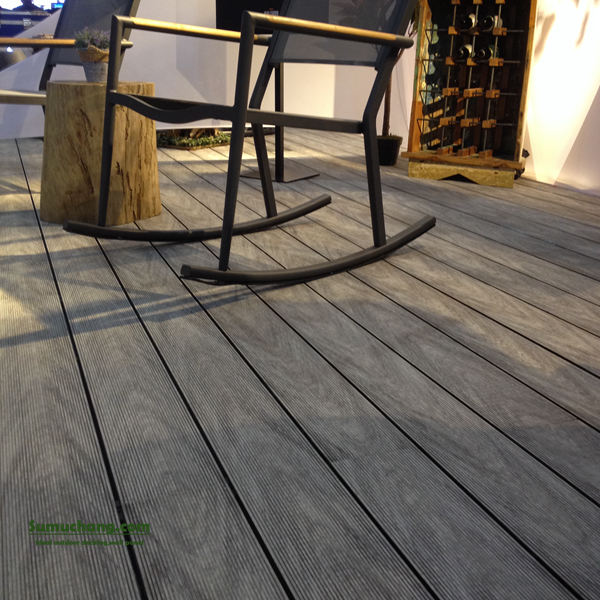
Cooling calibration is another essential factor. After the composite material is extruded, it enters a cooling system to solidify and maintain the desired shape. The cooling must be uniform, as uneven cooling can lead to warping or dimensional changes in the final product. Some manufacturers employ water baths or air cooling to ensure that the boards cool properly and maintain structural integrity.
Surface Treatment and Common Production Challenges
Surface treatment is often the final step in the production of composite deck boards, enhancing their aesthetic appeal and functionality. Treatments can include colour staining, anti-slip coatings, or UV protection, which help to extend the lifespan of the product while also ensuring it meets aesthetic requirements. Effective surface treatments can also provide additional resistance to stains and scratches, which is particularly important for large decks that are frequently used.
Despite advancements in technology, several common production problems can arise, such as inconsistent colour, surface defects, or dimensional inaccuracies. These issues can often be traced back to inadequate mixing, improper temperature control, or poor mold design. A robust quality control process is vital to identify and rectify these issues early in the production cycle, ensuring that only the highest-quality 24 ft composite deck boards reach the market.