 한국어
한국어  English
  Español
  Français
  Português
  Deutsch
  Italiano
  Русский
  العربية
  简体中文
简体中文  香港中文
香港中文  日本語
日本語  Türkçe
  Nederlands
  Bahasa Indonesia
 Choosing Plastic Wall Panels for Modern Exteriors
Plastic wall panels have gained significant traction in recent years, particularly as a stylish yet functional solution for modern exterior decoration. These panels not only offer aesthetic appeal but also come with a host of benefits that cater to sustainability and practicality. When selecting the right plastic wall panels for your project, numerous factors should be weighed, particularly their environmental impact and material composition.
The Sustainable Advantages of WPC
Wood-plastic composites (WPC) have emerged as a leading alternative in the realm of exterior wall decoration. The primary reason behind this shift is the incorporation of recycled materials in their production. WPC typically combines recycled wood fibres with plastic polymers, significantly reducing the need for virgin wood. This not only lessens deforestation but also promotes the recycling of materials that might otherwise end up in landfills. By choosing WPC plastic wall panels, consumers are opting for a solution that minimises environmental degradation while maintaining aesthetic standards.
Durability Meets Design
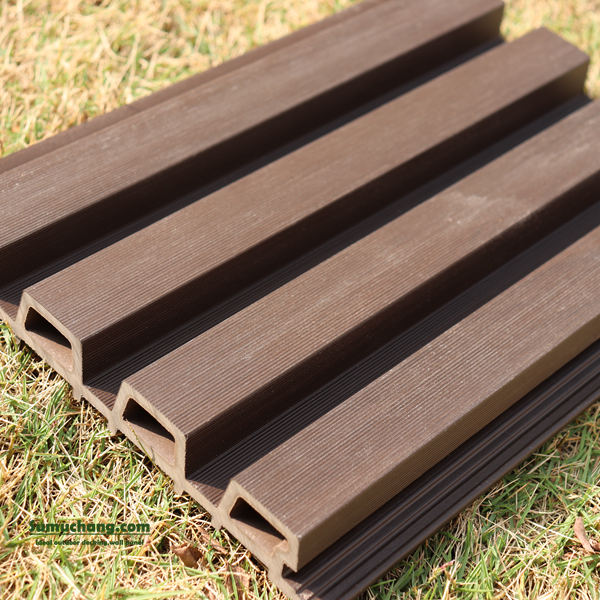
One of the most compelling arguments for selecting WPC plastic wall panels is their outstanding durability. Unlike traditional wood, which is susceptible to rot, insects, and weather-related wear and tear, WPC panels are engineered to withstand the elements. This resilience means that homeowners and businesses can enjoy the beauty of their exteriors without the constant worry of maintenance or replacement. Furthermore, the longevity of WPC panels translates to a lower lifecycle environmental impact, as less material is needed over time to replace damaged surfaces.
Low-Maintenance Benefits for Busy Lifestyles
Modern life often demands solutions that require minimal upkeep, and this is where plastic wall panels excel. WPC panels are designed to be low-maintenance, requiring little more than occasional cleaning to retain their appearance. They do not need painting, staining, or sealing, which are typically required for traditional wood panels. This ease of maintenance is not only convenient but also contributes to sustainability, as it reduces the consumption of harmful chemicals often used in wood treatment processes.
Design Flexibility and Aesthetic Appeal
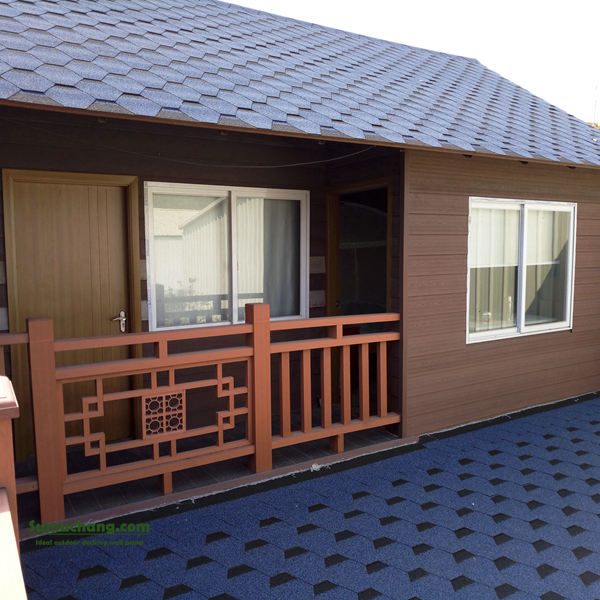
When considering plastic wall panels, it is essential to recognise the wealth of design options available. WPC panels can mimic the appearance of natural wood while offering a broader spectrum of colours and textures. This flexibility allows architects and designers to create unique visual experiences without sacrificing the environmental benefits associated with using sustainable materials. The modern consumer is increasingly aware of the aesthetics of their environment, and WPC plastic wall panels provide an attractive solution that meets both design and sustainability criteria.
Economic Considerations
While the initial cost of WPC plastic wall panels may be higher than traditional alternatives, the long-term economic benefits often outweigh the upfront investment. Given their durability and low maintenance needs, these panels can lead to significant savings over time, particularly in terms of repair and replacement costs. Additionally, as sustainability becomes a more prominent concern in construction, properties featuring eco-friendly materials may see higher market values and appeal to environmentally conscious buyers.
Environmental Impact and Certification
For those prioritising sustainability, it is crucial to look for plastic wall panels that come with certifications attesting to their eco-friendly nature. Various organizations provide certifications that guarantee the panels are produced from recycled materials and that their manufacturing processes adhere to environmental standards. Such certifications not only assure quality but also confirm that choosing WPC panels is a responsible decision for the environment.