 한국어
한국어  English
  Español
  Français
  Português
  Deutsch
  Italiano
  Русский
  العربية
  简体中文
简体中文  香港中文
香港中文  日本語
日本語  Türkçe
  Nederlands
  Bahasa Indonesia
 Composite Decking Materials for Fencing
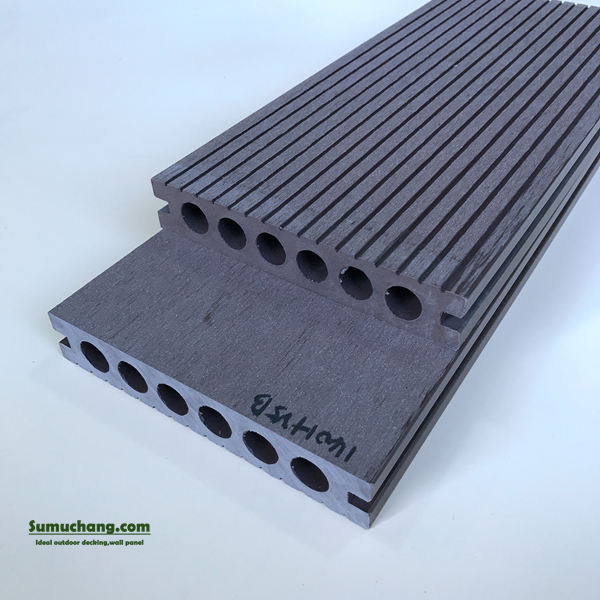
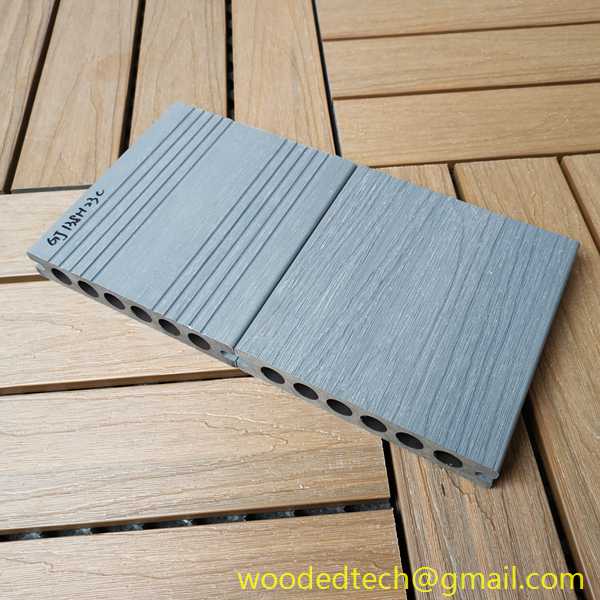
Composite decking materials, primarily crafted from wood fibres and recycled plastic, offer an innovative solution for creating durable and aesthetically pleasing fences. When using composite decking for fence applications, the blend of materials aids in resisting the natural elements, thus ensuring longevity and minimal maintenance. The incorporation of these materials not only provides structural integrity but also enhances visual appeal, making it a preferred choice for homeowners and landscape designers alike.
Material Mixing Process
The initial step in the production of composite decking for fencing involves a meticulous material mixing process. The right proportions of wood flour, recycled plastic, and additives must be calculated accurately to achieve the desired characteristics. This stage is crucial, as it determines the final product’s strength, flexibility, and resistance to moisture. During mixing, advanced machinery ensures that the materials are adequately blended, achieving a homogeneous mixture that is ready for the subsequent pelletizing stage.

Pelletizing and Preparation for Extrusion
Once the materials are mixed, the next step is pelletizing. This process transforms the combined raw materials into small pellets, which ensure uniformity and ease of handling during extrusion. The pellets are then cooled and stored prior to the extrusion process. The size and quality of these pellets are critical, as they influence the performance of the finished composite decking. If the pellets are too large or inconsistently shaped, they can cause blockages or uneven extrusion, leading to production delays and potential quality issues.
Extrusion Temperature Control
Temperature control during the extrusion of composite decking is a key factor that affects the material properties of the final product. Maintaining the correct temperatures throughout the extrusion process ensures optimal melting of the components, allowing them to flow smoothly through the die. If the temperature is too low, the material may not extrude properly, while excessively high temperatures can degrade the polymer, leading to poor mechanical properties. Precision in temperature management is crucial to ensure that the composite maintains its strength and durability, particularly when used for fencing, where structural integrity is paramount.
Mold Design and Production Challenges
The mold design is an integral element of the extrusion process, directly impacting the shape and finish of the composite decking boards. Molds must be engineered to facilitate the production of fencing panels that meet specific aesthetic and functional requirements. Challenges can arise in mold design, such as maintaining consistent wall thickness and achieving the desired finish. Additionally, any imperfections in the mold can lead to defects in the final product, such as warping or surface blemishes. Engineers must regularly review and update mold designs to overcome these challenges and ensure high-quality production.
Cooling Calibration and Surface Treatment
Post-extrusion, the cooling calibration phase is essential for solidifying the composite decking and preparing it for surface treatment. Proper cooling techniques help to maintain the structural integrity of the fencing panels, preventing warpage and ensuring dimensional accuracy. Following cooling, surface treatment processes may be applied to enhance both appearance and performance. Treatments can include applying UV-resistant coatings or textures that mimic natural wood finishes. These treatments not only improve the aesthetic appeal of the fences but also provide additional protection against environmental factors.
Addressing Production Problems
Despite the advancements in composite decking production technology, various problems can arise during manufacturing. Common issues include variations in material consistency, which can lead to defects in the finished product, and equipment malfunctions that disrupt production flow. Additionally, fluctuations in temperature and humidity during the mixing and extrusion phases can affect the quality of the composite. Continuous monitoring and maintenance of the production line, along with thorough quality control measures, are essential to mitigate these issues and ensure that the composite decking is suitable for fence applications.
Innovation in Composite Fencing Solutions
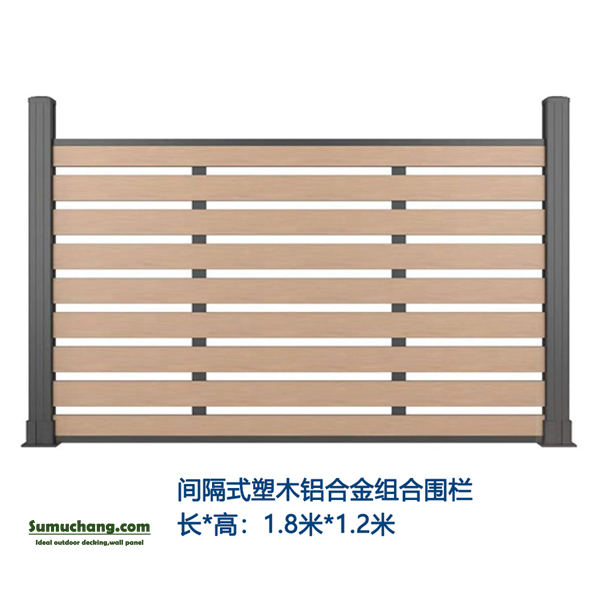
The integration of new technologies and sustainable practices in the production of composite decking is paving the way for innovative fencing solutions. This evolution not only enhances the performance of composite materials but also aligns with the growing demand for environmentally friendly building practices. As industry experts focus on improving the properties of composite materials, the versatility of using composite decking for fence applications will only expand, offering homeowners and businesses alike a reliable, sustainable, and stylish fencing option.