 한국어
한국어  English
  Español
  Français
  Português
  Deutsch
  Italiano
  Русский
  العربية
  简体中文
简体中文  香港中文
香港中文  日本語
日本語  Türkçe
  Nederlands
  Bahasa Indonesia
 Composite Deck Boards: The Ideal Choice for Outdoor Projects
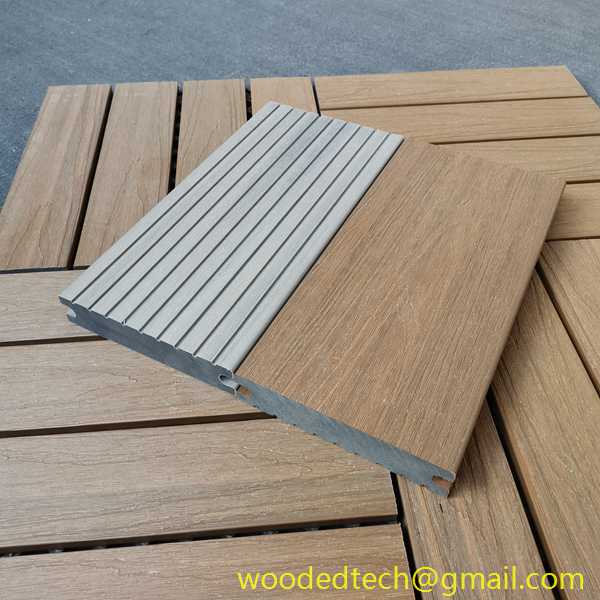
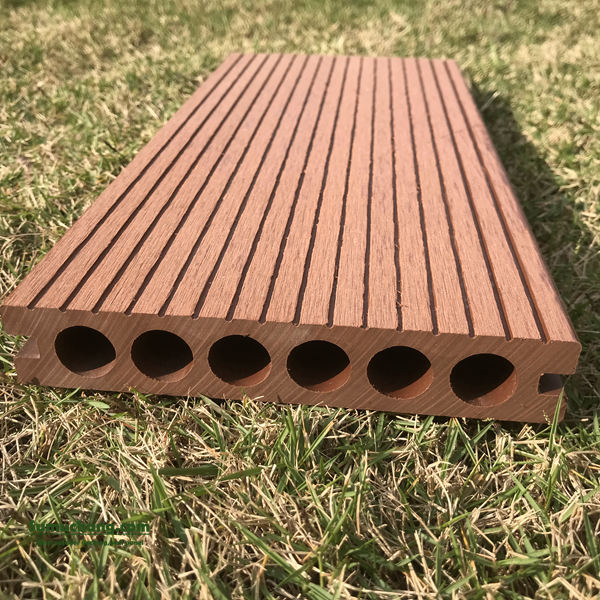
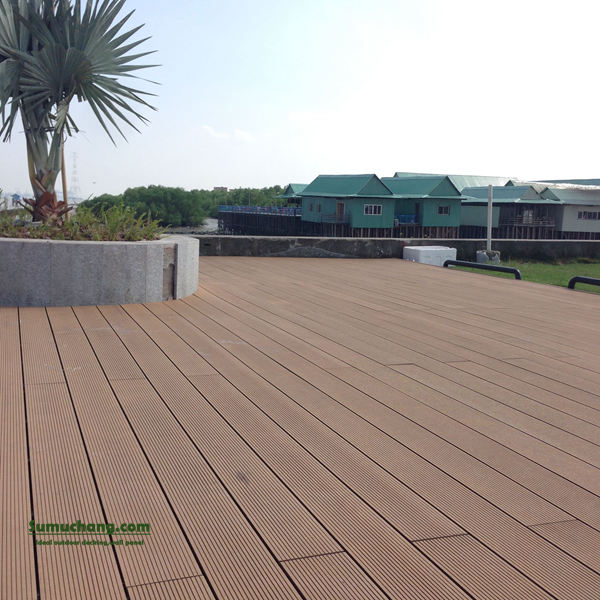
Composite deck boards are rapidly becoming the material of choice for outdoor projects, thanks to their durability and aesthetic appeal. Made from a blend of wood fibres and recycled plastic, these boards provide the perfect combination of strength and low maintenance. Unlike traditional wooden decking, composite boards resist rotting, warping, and fading, making them well-suited for a variety of outdoor applications. Whether you are working on residential patios, commercial boardwalks or outdoor living spaces, the versatility of composite deck boards cannot be overstated.
One of the standout features of composite deck boards is their ability to mimic the natural beauty of wood while offering enhanced durability. This characteristic makes them an excellent option for architects and landscape designers looking to create stunning outdoor environments without the environmental impact of traditional timber. With a wide range of colours and textures available, buyers can easily find composite boards that complement their specific project requirements.
Utilising Composite Deck Boards in Landscape Design
Landscape designers have embraced composite deck boards for their innovative applications, transforming outdoor spaces into functional yet beautiful environments. These boards can be used to create pathways, terraces, and even seating areas, allowing for seamless integration of design and utility. Their slip-resistant surface is particularly advantageous in high-traffic areas, reducing the risk of accidents and ensuring safety for users.
In addition to functionality, the aesthetic flexibility of composite deck boards presents numerous design opportunities. They can be easily cut and shaped to fit various design elements, enabling the creation of custom features such as raised flower beds, outdoor kitchens, or even garden bridges. Furthermore, the long-lasting nature of composite materials means that once installed, these structures can withstand the elements while maintaining their appearance for years to come.
Installation Techniques for Composite Deck Boards
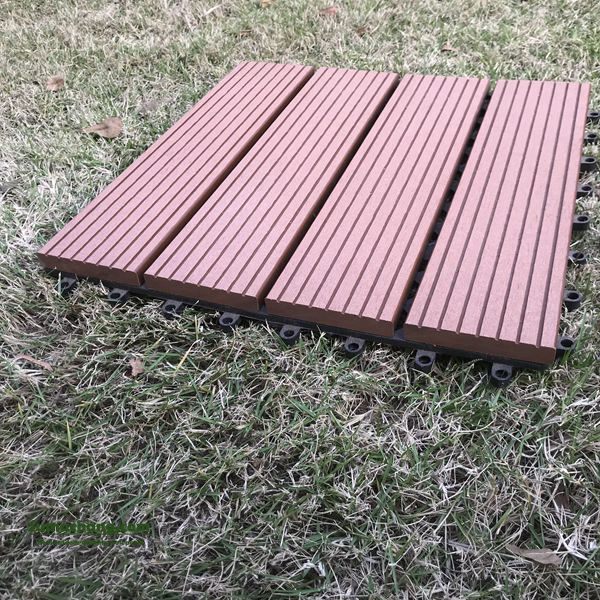
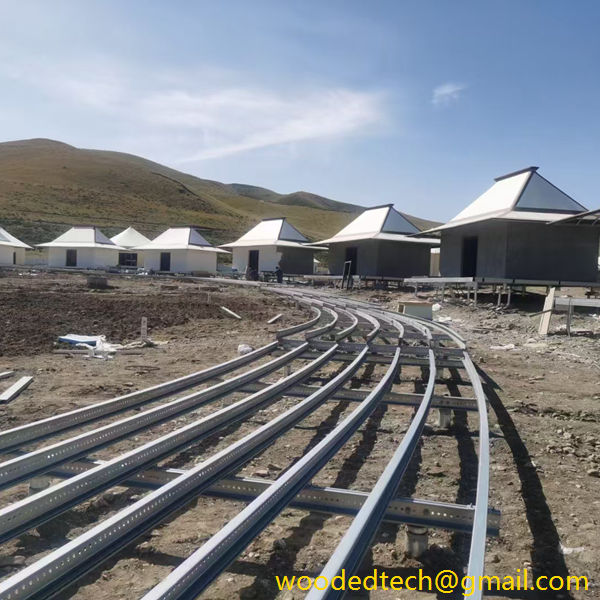
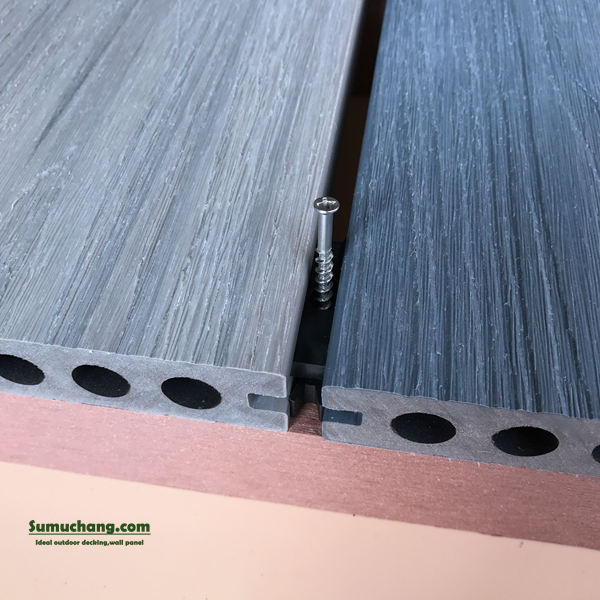
Proper installation is key to maximising the benefits of composite deck boards. It is essential to follow manufacturer guidelines closely to ensure that the boards are fitted correctly. Most composite products come with specific fastening systems that enhance stability while providing a clean, seamless look. Professionals should account for factors such as spacing and support structures when laying the boards to avoid issues like buckling or movement over time.
Additionally, using the right tools is crucial for a successful installation. Cutting composite boards requires specific blades to ensure clean edges without damaging the material. The ability to easily work with these boards means that installation can often be accomplished quicker than with traditional wood, saving both time and labour costs for contractors and builders.
Composite Deck Boards and Environmental Sustainability
The choice of composite deck boards also aligns with contemporary trends toward sustainability in construction. Made from recycled materials, these boards contribute to reducing landfill waste and minimising the reliance on virgin timber. Buyers can feel good about their choices, knowing that they are promoting environmental stewardship while still achieving their aesthetic and functional goals.
Moreover, composite materials are often designed to be energy-efficient, which can lead to more sustainable building practices. The longevity of composite deck boards means that less waste is generated over the lifecycle of the product. This characteristic is increasingly important for businesses and consumers who are looking to make environmentally responsible choices in their outdoor projects.
Cost Considerations for Composite Deck Boards
While the initial investment in composite deck boards may be higher than that of traditional wood, the long-term savings can be significant. Reduced maintenance costs and the lifespan of composite materials often lead to a lower total cost of ownership. For contractors and builders, understanding the lifecycle cost of materials is key to providing clients with accurate and comprehensive estimates.
Moreover, many suppliers offer competitive pricing and bulk purchasing options that can enhance profitability for businesses involved in outdoor construction. Buyers should also consider the potential for integrated financing solutions or partnerships with manufacturers, which can further improve cost efficiency and project execution.