 한국어
 English
 Español
 Français
 Português
 Deutsch
 Italiano
 Русский
 العربية
 简体中文
 香港中文
 日本語
 Türkçe
 Nederlands
 Bahasa Indonesia
Value Starts With the Right Outdoor Application
Selecting the best composite decking for the money means matching the board, support system and finish to the way a space will be used. A residential garden terrace has different demands from a hotel pool surround or a public park walkway. WPC decking combines wood fibre and polymer to create an outdoor surface that needs less routine coating than timber, but its performance still depends on product quality, installation and site conditions. Assess foot traffic, moisture exposure, sunlight, expected service life and maintenance access before comparing prices.
In private gardens, composite boards suit patios, dining areas, paths and transitions between the house and lawn. Choose a colour and surface texture that work with the building and landscape, and allow adequate falls so rainwater drains away rather than collecting near doors. For small gardens, board direction can influence how wide or long the area appears. Use a consistent subframe and keep the specified expansion gaps at ends and sides, since outdoor temperatures cause boards to move.
Designing for Hotels and Commercial Landscapes
Hotels, restaurants and commercial landscapes need finishes that cope with repeated use and regular cleaning. Decking can define seating zones, outdoor dining terraces and routes between buildings. For these settings, check the product’s load guidance, wear characteristics, fire requirements where applicable, and compatibility with the proposed support spacing. A higher initial specification may offer better value where replacement would interrupt trading or require substantial access equipment.
At hotels, select a surface that remains practical around entrances and food service areas, where spills and frequent cleaning are likely. Provide unobstructed drainage and avoid details that trap debris beneath the deck. In commercial courtyards, coordinate board layout with access covers, planters and furniture bases before installation. A clear maintenance plan should state suitable cleaning methods and exclude abrasive tools or chemicals that may damage the surface.
Pool Areas, Balconies and Wet Conditions
Swimming pool surrounds expose decking to splashes, standing water, sunscreen and chemicals used to treat pool water. Specify boards intended for the conditions and review the manufacturer’s slip-performance information for wet use. No surface should be treated as slip-proof in every circumstance: algae, soap and organic debris can affect traction, so cleaning and drainage remain essential. Leave access to pool equipment and avoid enclosing pumps or pipework without ventilation and service provision.

Balconies bring different constraints. Confirm the building’s structural capacity, waterproofing arrangement, permitted finished floor height and any fire or façade requirements before choosing a raised deck system. Do not fix through a waterproof membrane unless the approved detail allows it. A low-profile support system may help preserve drainage and door clearance, but it still needs stable bearing points and access for inspection. For both balconies and pool areas, follow the product supplier’s installation details rather than adapting residential garden practices.
Public Parks and Shared Facilities
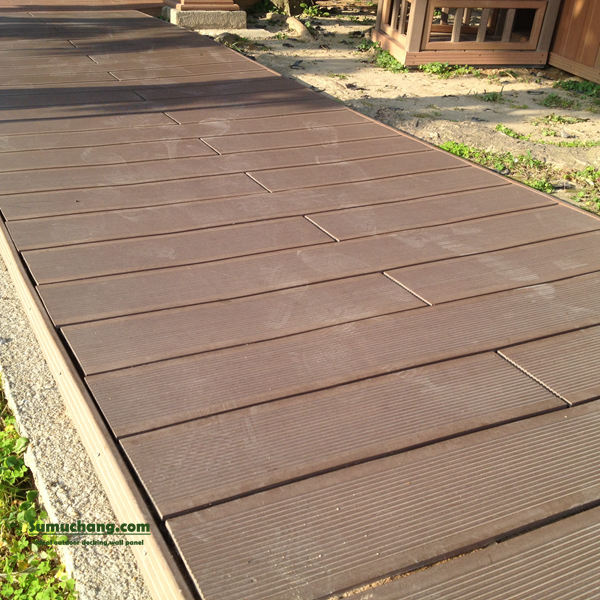
In parks, promenades and public facilities, decking may form viewing platforms, accessible paths, seating zones or approaches to waterfront features. Specify for expected pedestrian flows, mobility-aid use and local exposure, including frost, high heat or persistent damp. Keep surface transitions level, detail edges to reduce trip risks, and coordinate dimensions with accessibility requirements. Where boards sit above ground, provide a subframe designed for the span and loading rather than relying on the deck boards to bridge unsupported gaps.
Public projects also need straightforward inspection and replacement. A concealed-fixing system can give a clean appearance, while removable access panels may be useful near drainage or service points. Confirm that the fastening system, joists and boards are compatible, and use corrosion-resistant components suited to the environment. For coastal or heavily exposed locations, request specific guidance on fastener grades and maintenance intervals.
Compare Whole-Life Cost, Not Board Price Alone
To identify the best composite decking for the money, compare the complete installed system: boards, subframe, clips, trims, labour, waste allowance and ongoing care. Ask for technical data on dimensions, permissible joist spacing, expansion movement, load limits and cleaning. Check sample colours outdoors, since sunlight and surrounding materials alter how a finish reads. Confirm product warranties and understand their conditions, including installation requirements and exclusions for unsuitable use.

Accurate measurement and a coordinated layout reduce offcuts and awkward details, while sound drainage and ventilation help protect the structure beneath the boards. Choose a supplier that can provide consistent product batches, installation documentation and practical after-sales support. The lowest quotation may not represent good value if it omits essential framing or specifies an unsuitable board. A considered match between product and site gives outdoor projects a dependable surface, manageable upkeep and a more predictable cost over its working life.