 한국어
한국어  English
  Español
  Français
  Português
  Deutsch
  Italiano
  Русский
  العربية
  简体中文
简体中文  香港中文
香港中文  日本語
日本語  Türkçe
  Nederlands
  Bahasa Indonesia
 The Advantages of Composite Deck Material for Outdoor Spaces
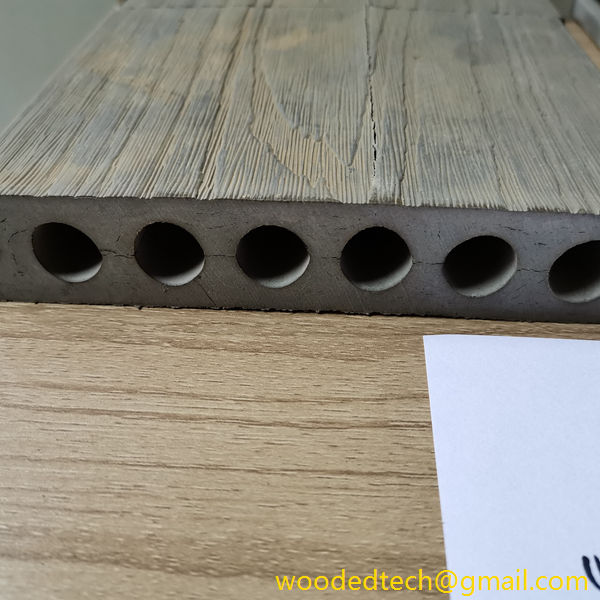
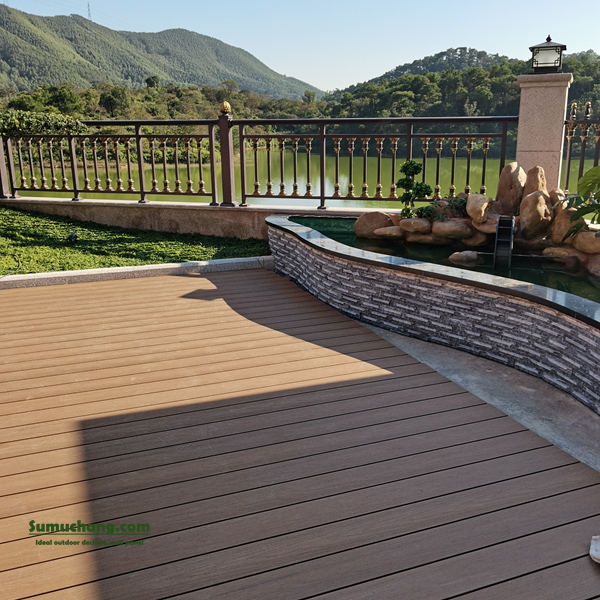
Composite deck material has gained immense popularity among homeowners and builders alike due to its remarkable blend of aesthetics, durability, and functionality. This innovative material, primarily composed of wood fibres and recycled plastic, presents an environmentally friendly alternative to traditional wood decking. One of the most significant benefits of composite decking is its resistance to the elements. Unlike wood, which can warp, splinter, or rot when exposed to moisture, composite materials are engineered to withstand rain, snow, and intense sunlight without degrading over time. This resilience ensures that outdoor spaces maintain their appearance and functionality for years, making composite decking a wise investment.
Another notable advantage of composite deck material is its low maintenance requirements. Traditional wood decks demand regular staining, sealing, and painting to preserve their beauty and structural integrity. In contrast, composite decking requires minimal upkeep, typically only needing occasional cleaning with soap and water to remove dirt and debris. This ease of maintenance not only saves time and effort but also contributes to cost savings over the long term, making composite decking an attractive choice for busy homeowners.
Customisation Options for Global Customers
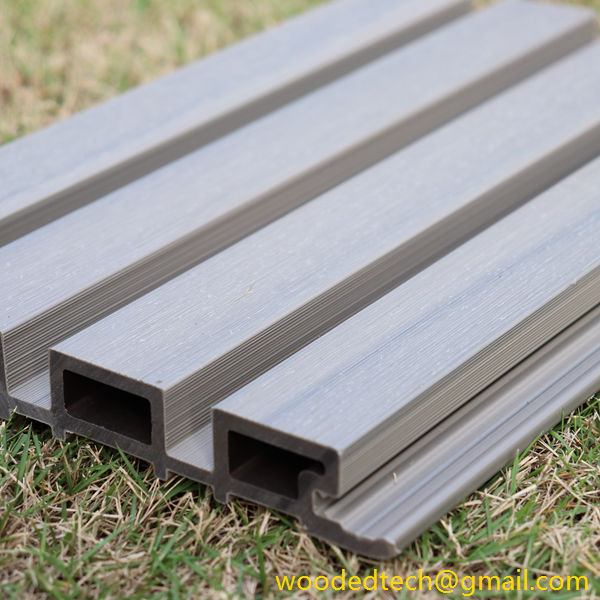
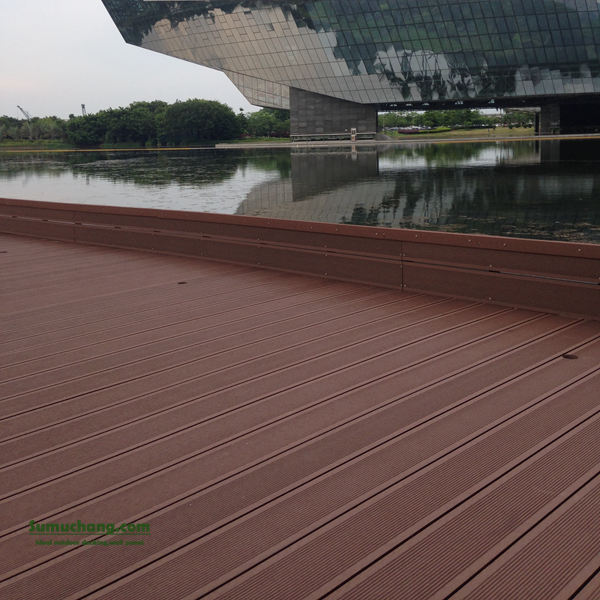
As an OEM customization specialist in a WPC factory, we understand the importance of offering tailored solutions to meet the diverse needs of our global customers. When it comes to composite deck material, manufacturers can provide a myriad of customization options. Profile dimensions are one area where customers can specify their preferences. Whether they require wider boards for a more luxurious feel or narrower profiles for intricate designs, the flexibility in dimensions allows for creativity in outdoor space planning.
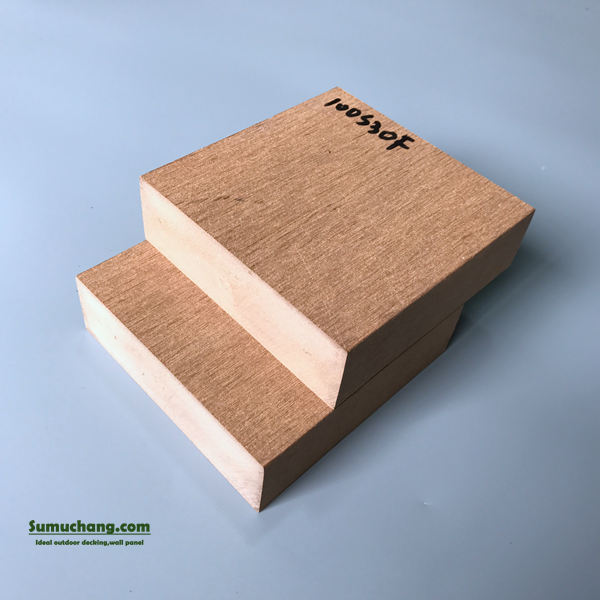
Another crucial aspect of customisation lies in colour selection. Composite decking is available in a wide range of colours, from earthy browns and greys to vibrant hues, enabling customers to choose finishes that perfectly complement their outdoor aesthetic. Additionally, surface textures can be tailored to mimic the look and feel of natural wood or to provide a smooth, modern finish. By offering these customisable elements, manufacturers can help clients create unique outdoor environments that reflect their style and vision.
Branding and Packaging Customisation
In addition to product specifications, branding and packaging also play a vital role in the composite deck material market. As businesses look to differentiate themselves in a competitive landscape, customised branding options become essential. Manufacturers can incorporate logos, colour schemes, and specific marketing messages into the packaging of composite decking products. This not only enhances brand visibility but also creates a cohesive marketing strategy that aligns with the company’s overall identity.
Packaging itself can also be customised to suit the needs of different markets. For instance, eco-friendly packaging can appeal to environmentally conscious consumers, while innovative designs can enhance shelf appeal in retail outlets. By providing tailored packaging solutions, manufacturers not only cater to the preferences of their clients but also contribute to the overall sustainability of the product lifecycle.
Special Applications of Composite Deck Material
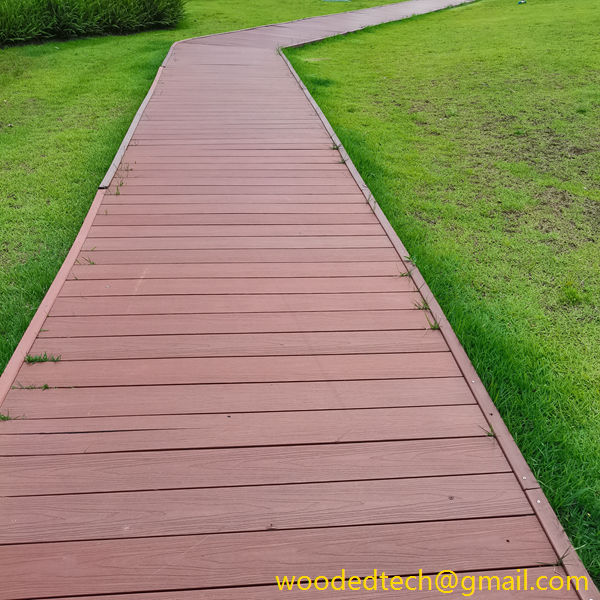
The versatility of composite deck material extends beyond conventional residential use. Manufacturers are increasingly developing products designed for special applications, which can significantly broaden the market scope. For example, composite material can be engineered for commercial projects, such as boardwalks, public parks, and outdoor entertainment venues. These applications require deck materials that can endure heavy foot traffic and exposure to harsh weather conditions while maintaining aesthetic appeal.
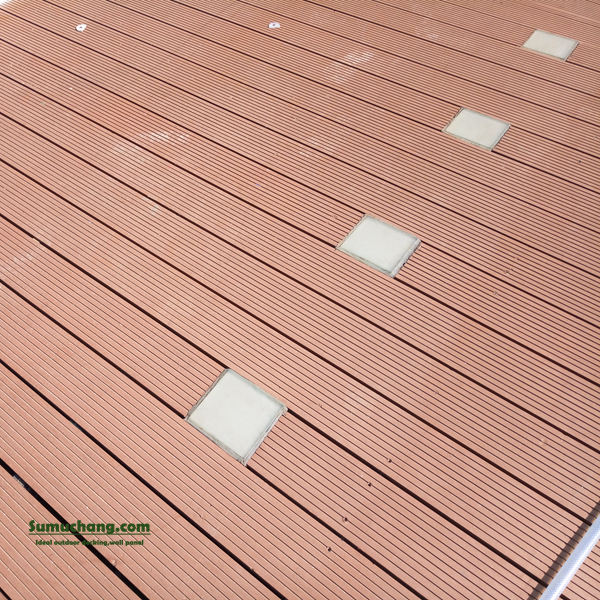
Furthermore, composite decking can also be adapted for specific environmental conditions. For instance, materials designed for coastal areas can be treated to resist corrosion and fading caused by saltwater and UV rays. This adaptability ensures that the composite deck material remains functional and visually appealing, regardless of the installation environment. By considering the unique demands of various applications, manufacturers can provide solutions that truly meet the needs of their customers.
The Sustainability Aspect of Composite Deck Material
Sustainability is a growing concern for many in today’s market. Composite deck material is often celebrated for its environmentally friendly properties, as it is made from recycled materials, including wood scraps and plastic. This not only reduces waste but also diminishes the reliance on timber resources. As sustainability becomes more integral to purchasing decisions, manufacturers who can highlight the eco-friendly nature of their composite decking products will find an advantageous position in the marketplace.
Moreover, composite materials are often manufactured under stringent environmental regulations, ensuring that the production process itself is as sustainable as the final product. By promoting the sustainability of composite deck material, manufacturers not only attract eco-conscious consumers but also contribute to broader environmental goals, creating a win-win situation for businesses and the planet alike.