 한국어
한국어  English
  Español
  Français
  Português
  Deutsch
  Italiano
  Русский
  العربية
  简体中文
简体中文  香港中文
香港中文  日本語
日本語  Türkçe
  Nederlands
  Bahasa Indonesia
 Composite Decking Material Options
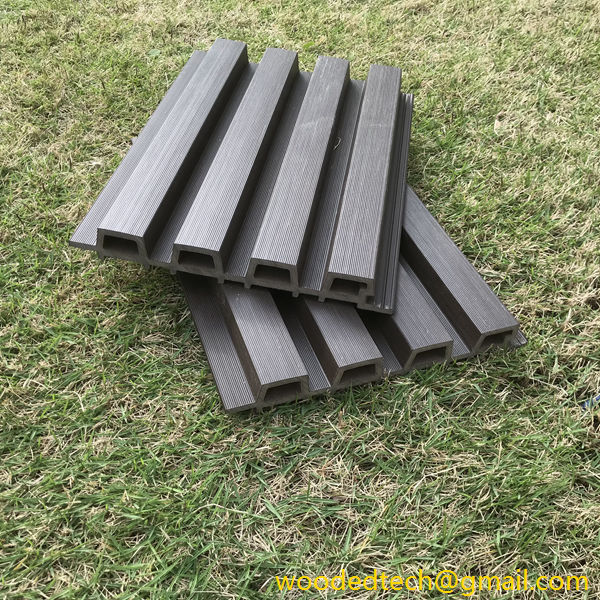
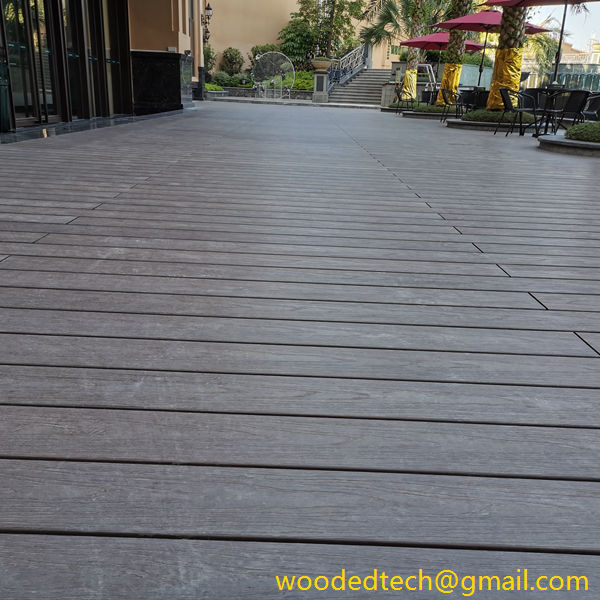
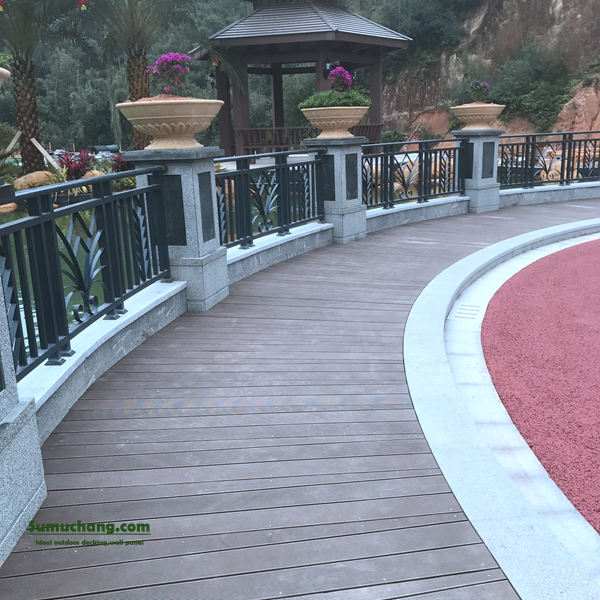
The world of composite decking has evolved significantly over the years, providing a myriad of material options for outdoor spaces. These materials combine wood fibres, plastic, and other additives to produce boards that mimic the appearance of timber while delivering enhanced durability and lower maintenance requirements. Among the various composite decking material options, significant choices include wood-plastic composites (WPC), high-density polyethylene (HDPE), and eco-friendly options made from recycled components. Each of these materials brings unique characteristics that cater to diverse aesthetic preferences and functional requirements.
WPC and Its Advantages
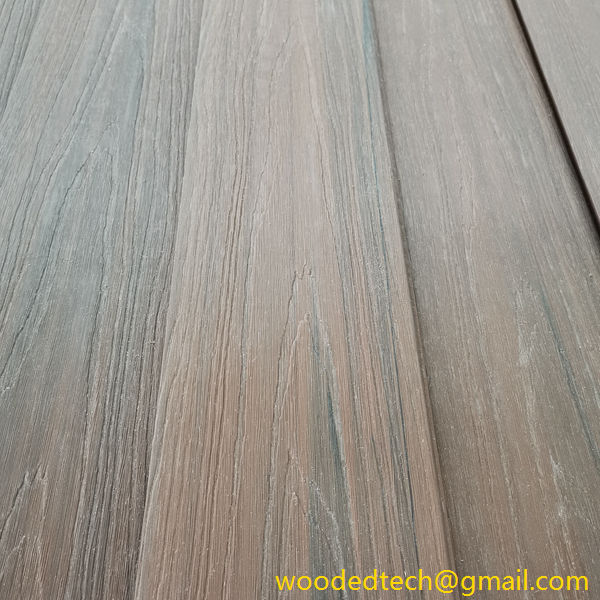
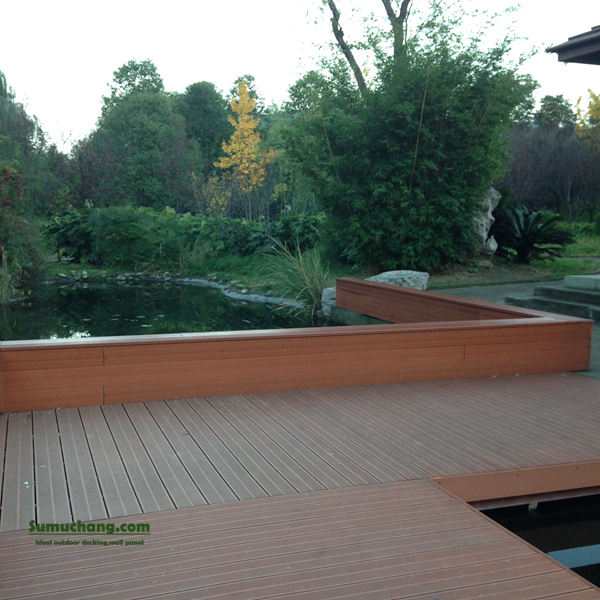
Wood-plastic composites are perhaps the most common type of composite decking material. They are made from a blend of recycled wood and plastic, allowing manufacturers to create a product that maintains the warmth and beauty of natural wood while offering superior resistance to rot, insects, and fading. WPC material is particularly appealing for outdoor applications because it can withstand the harsh effects of weather, reducing the need for regular upkeep. Its ability to be fabricated into various textures and finishes also makes it an attractive option for designers aiming to achieve a specific look in their projects.
High-Density Polyethylene (HDPE) Decking
Another viable option in the composite decking market is high-density polyethylene. This material is derived from plastic and does not contain any wood fibres, making it completely resistant to moisture and decay. HDPE decking offers a different set of benefits compared to WPC. It typically features a more consistent and uniform surface, which can be a selling point in certain applications. Additionally, HDPE products are often easier to clean and maintain, allowing for a lower lifetime cost when compared to traditional wood decking. Its lightweight nature also makes it easier to handle during installation, which is an important consideration in the logistics of transporting these materials.
Eco-Friendly Composite Decking
The growing emphasis on sustainability has led to an increase in eco-friendly composite decking options. These products often incorporate recycled materials, such as reclaimed wood or post-consumer plastic, making them an attractive choice for environmentally conscious consumers. Using such materials not only reduces landfill waste but also lowers the carbon footprint associated with decking production. As packaging engineers, it is essential to consider how these eco-friendly materials can be protected during transport. Designing packaging solutions that accommodate their unique properties while ensuring safety and integrity throughout the shipping process is a priority.
Packaging Solutions for Long-Distance Transport
When it comes to exporting composite decking materials, packaging plays a vital role in ensuring the products arrive at their destination in perfect condition. The design of export packaging must take into account the potential hazards associated with long-distance ocean transport. Factors such as humidity, temperature fluctuations, and potential physical damage from handling during transit can have detrimental effects on composite materials. Packaging engineers must select materials that not only shield against these elements but also facilitate efficient stacking and storage within shipping containers.
One effective strategy is to use custom-fit packaging that cradles each decking board securely, preventing movement and impact during transport. This approach not only minimises potential damages but also optimises space within containers, allowing for greater efficiency in shipping costs. Furthermore, the use of biodegradable or recyclable packaging materials aligns with the sustainable ethos of many composite decking options, offering an additional layer of appeal in the marketplace.

Market Trends in Composite Decking
The demand for composite decking is on the rise, driven by its numerous benefits over traditional wood materials. As more consumers seek out low-maintenance outdoor solutions, the selection of composite decking material options continues to expand. New colours, textures, and designs are regularly introduced to meet the evolving aesthetic preferences of homeowners and commercial builders alike. Additionally, as manufacturers refine their production processes, the quality of composite materials improves, further encouraging adoption in the market.
As a packaging engineer focused on outdoor WPC products, it is imperative to stay informed about these trends. An understanding of market demands can influence not only the design of protective packaging but also the materials chosen for production. By anticipating the needs of both manufacturers and consumers, packaging solutions can be tailored to enhance the overall value of composite decking products as they navigate the complexities of international trade.