 한국어
한국어  English
  Español
  Français
  Português
  Deutsch
  Italiano
  Русский
  العربية
  简体中文
简体中文  香港中文
香港中文  日本語
日本語  Türkçe
  Nederlands
  Bahasa Indonesia
 The Role of WPC Profile Designs in Decking
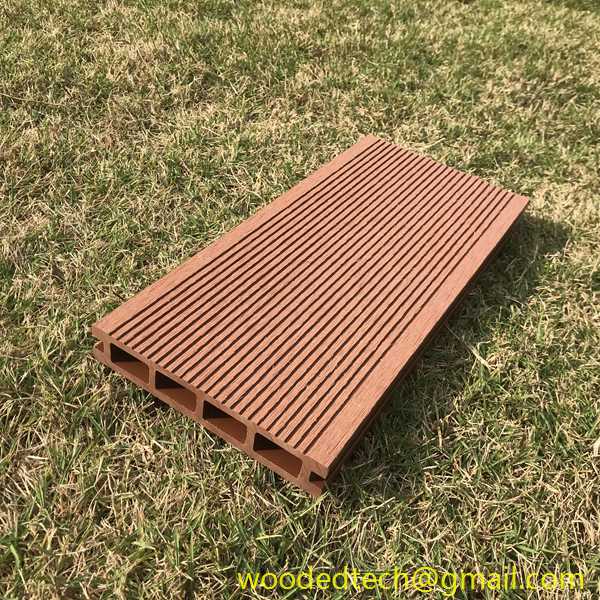
Wood-plastic composite (WPC) decking has gained popularity due to its durability and aesthetic appeal. The design of WPC profiles plays a significant role in determining the performance of decking composite products. Hollow structures, for instance, offer a lightweight option that is easier to handle during installation. These profiles can be engineered to maximise strength while minimizing material usage, which directly influences cost-effectiveness. Solid structures, on the other hand, provide enhanced stability and robustness, making them suitable for high-traffic areas. The choice between hollow and solid profiles ultimately impacts the overall cost and performance of the decking solution.
When developing WPC profiles, careful consideration is given to the extrusion process and the properties of the raw materials. Profile designs that incorporate a combination of solid and hollow sections can achieve optimal performance by balancing weight and strength. This hybrid approach allows for creative solutions tailored to specific outdoor applications, whether for residential patios or commercial boardwalks.
Importance of Rib Designs for Structural Integrity
Rib designs within WPC profiles significantly enhance the structural integrity of decking composite products. By strategically placing ribs within the profile, engineers can increase stiffness and load-bearing capacity without adding excessive weight. This is particularly beneficial for installations requiring long spans, where deflection and flexural strength are critical considerations. The ribbing can also contribute to the overall aesthetics of the decking, offering visual interest and texture.
Moreover, rib designs help to distribute loads evenly across the surface of the decking. This distribution reduces the potential for warping or bending over time, which is essential for maintaining the aesthetics and functionality of outdoor spaces. Designers must therefore consider not only the visual appeal of ribbed patterns but also their engineering advantages in enhancing performance.
Surface Patterns and Their Impact on Aesthetics and Safety
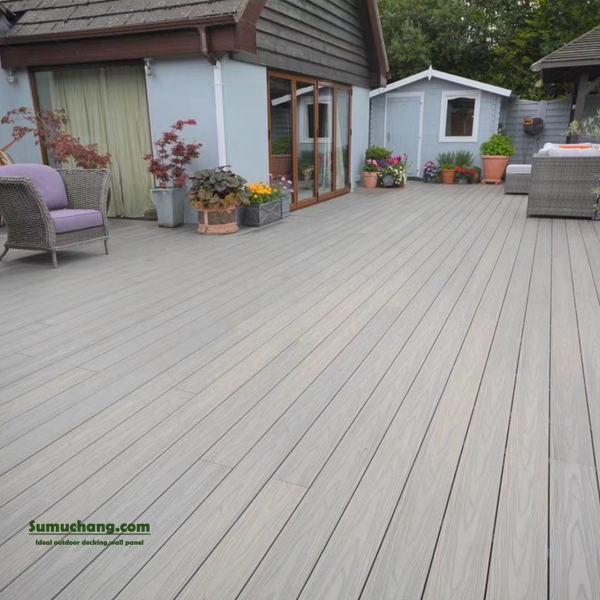
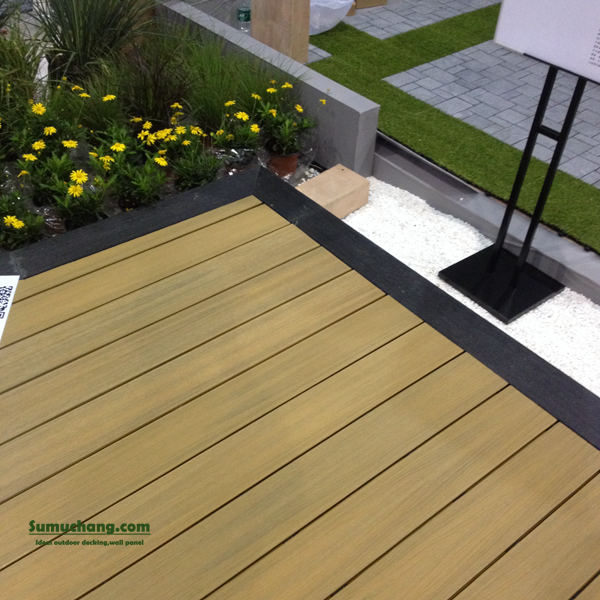
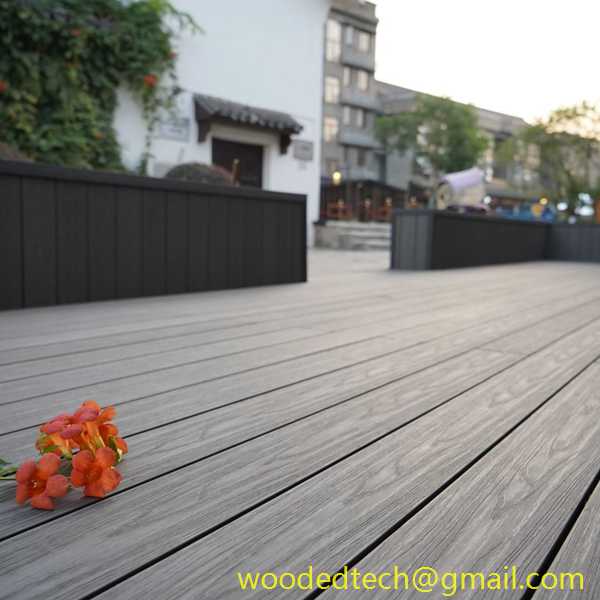
The surface patterns applied to WPC decking can dramatically influence both the visual appeal and safety of the product. A textured surface, for example, not only enhances grip, reducing the risk of slips and falls in wet conditions, but also adds a layer of aesthetic charm. Various patterns can mimic natural wood grains or offer modern geometric designs, catering to diverse consumer preferences.
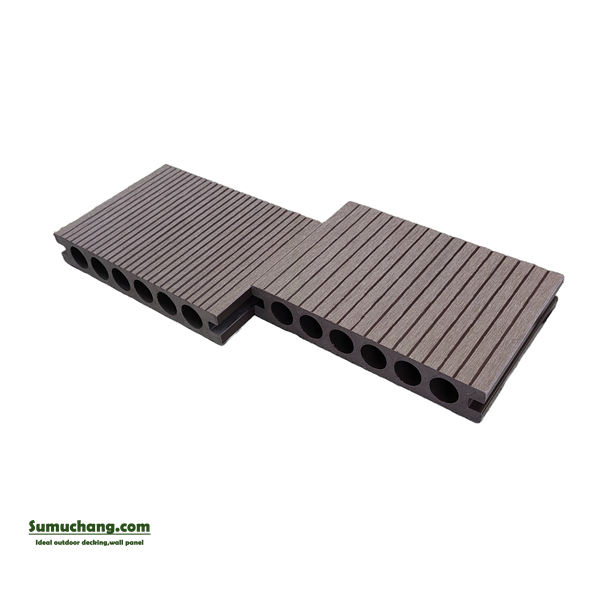
The choice of surface pattern can also affect the maintenance of decking composite products. More intricate textures may trap dirt and debris, necessitating more frequent cleaning. Manufacturers must balance aesthetic desires with practical maintenance considerations to ensure customer satisfaction over the product’s lifespan. This balance is crucial as it directly impacts the long-term performance of the decking solution, influencing consumer purchasing decisions.
Cost Considerations in WPC Decking Production
The interplay between design elements and production costs is a vital factor in the development of WPC decking products. Complexity in profile design, such as the incorporation of ribs and specific surface patterns, can increase manufacturing costs due to the need for advanced moulds and precise extrusion techniques. However, optimising design for cost efficiency can lead to significant long-term savings for businesses.
By utilising advanced extrusion technologies, manufacturers can reduce waste and improve material utilisation, thus lowering overall costs. Additionally, understanding the market demand for various decking styles allows companies to invest in designs that are not only appealing to consumers but also cost-effective to produce. This strategic approach ensures competitiveness in a crowded marketplace, making it essential for engineers and designers to collaborate closely.
Installation Performance and User Experience
Installation performance is an often-overlooked aspect of WPC decking that can greatly affect user experience. The choice of profile design directly influences how easily the decking can be installed. Profiles that are lightweight and feature interlocking systems can significantly reduce installation times, thereby enhancing overall project efficiency. Additionally, designs that allow for easy alignment and fastening can minimise the potential for errors during installation.
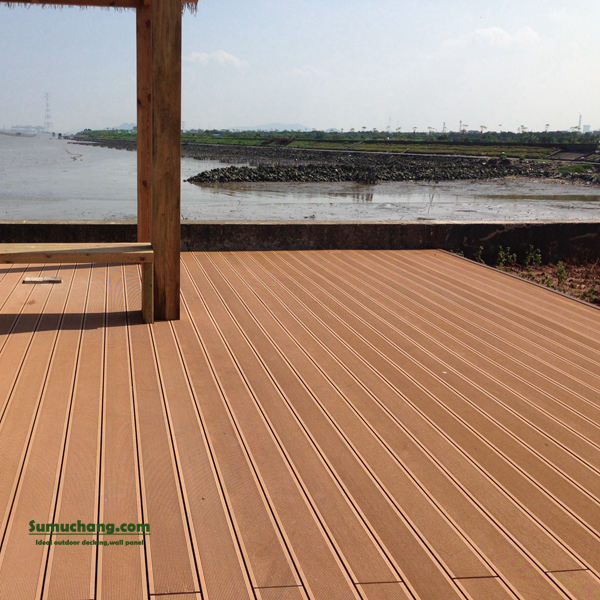
Furthermore, considering thermal expansion and contraction during the design phase can prevent issues related to warping or buckling after installation. Engineers must ensure that the profiles accommodate environmental changes while maintaining structural integrity. A well-designed WPC decking product not only meets aesthetic and functional requirements but also simplifies the installation process, ultimately leading to happier customers.