 한국어
한국어  English
  Español
  Français
  Português
  Deutsch
  Italiano
  Русский
  العربية
  简体中文
简体中文  香港中文
香港中文  日本語
日本語  Türkçe
  Nederlands
  Bahasa Indonesia
 Material Mixing for WPC Extrusion
The foundation of producing the best composite decking for the money begins with the meticulous process of material mixing. This phase involves combining wood fibres with thermoplastics, typically polyethylene or polyvinyl chloride, along with additives that improve performance and longevity. The selected raw materials must be of high quality to ensure durability and aesthetic appeal. Precise measurements and the right proportions are critical, as variations can lead to inconsistencies in the final product. It is paramount to use a high-speed mixer to achieve a homogeneous blend that ensures optimal flow during the subsequent extrusion stage.
Pelletizing the Mixture
After achieving a uniform mix, the next step is pelletizing, which transforms the blended materials into small pellets. These pellets not only streamline the extrusion process but also enhance the material handling and storage. The pelletizing stage typically involves cooling the blended mix and then forming it into small, manageable sizes. It is important that the pellets maintain their integrity and do not degrade during this process, as any flaws could lead to defects in the final decking boards.
Extrusion Temperature Control
Temperature control during the extrusion process is vital to achieving a smooth and consistent output. The melting point of the thermoplastic component must be met without degrading the wood fibres. Each type of WPC may require slightly different temperature profiles, which must be monitored closely. Proper heating and cooling rates reduce the risk of material degradation, ensuring that the physical properties of the composite remain intact. Control systems that monitor real-time temperature data help in maintaining the ideal conditions for extrusion.
Mold Design Considerations
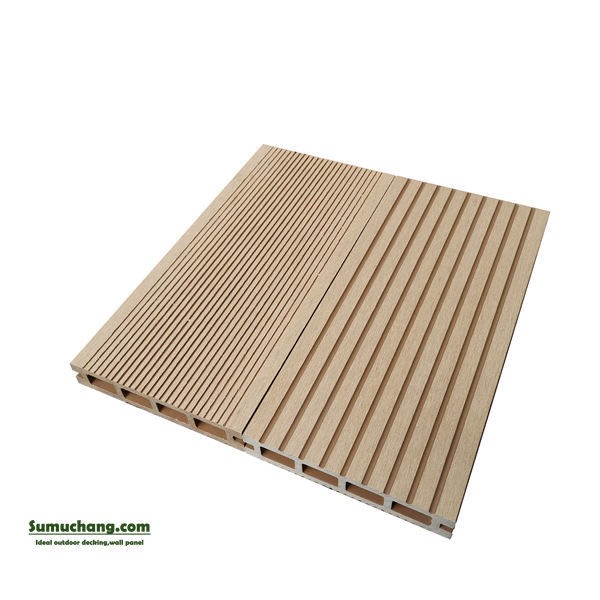
The mold design is another critical aspect that affects both the appearance and performance of the best composite decking for the money. A well-designed mold not only shapes the decking boards to the desired dimensions but also influences the surface finish quality. The design must accommodate the specific flow characteristics of the WPC material to prevent defects such as warping or uneven textures. Incorporating features that enhance drainage and reduce the risk of moisture retention is also essential for outdoor applications.
Cooling Calibration Techniques
Once the WPC has been extruded, the cooling calibration process begins. Proper cooling is essential to solidify the decking and maintain dimensional stability. This step often utilises water baths or air cooling methods to rapidly decrease the temperature of the extruded boards. Calibration is key; if the boards cool too quickly, they may warp, while insufficient cooling can lead to soft spots that compromise strength. Adequate cooling systems ensure that the material achieves its final properties as intended.
Surface Treatment and Finishing Touches
Surface treatment plays a significant role in enhancing the durability and aesthetic appeal of the composite decking. This phase can involve adding protective coatings that improve UV resistance, scratch resistance, and colour retention. Additionally, applying textures or finishes that mimic natural wood grain can significantly boost the visual appeal. However, it is crucial to select treatments that do not affect the composite’s recyclability or wood-like feel, as these properties are often major selling points for the best composite decking for the money.

Addressing Common Production Problems
Throughout the manufacturing process, several common production problems may arise. These include inconsistent pellet size, temperature fluctuations during extrusion, and surface defects post-cooling. Identifying and addressing these issues promptly is critical to maintaining production efficiency and product quality. Effective monitoring systems and quality control measures should be in place to detect anomalies early in the process, allowing for timely adjustments that preserve the integrity of the final product.