 한국어
한국어  English
  Español
  Français
  Português
  Deutsch
  Italiano
  Русский
  العربية
  简体中文
简体中文  香港中文
香港中文  日本語
日本語  Türkçe
  Nederlands
  Bahasa Indonesia
 What is Wood Polymer Composite?
Wood polymer composite (WPC) is an innovative material that combines wood fibres or wood flour with thermoplastics, creating a versatile product often used in outdoor applications. This composite material capitalises on the natural aesthetics and strength of wood while offering enhanced durability and resistance to environmental factors such as moisture and UV light. This synergy not only reduces the likelihood of warping, splintering, and rotting often associated with traditional wood products but also makes it an appealing choice for designers and builders alike.
The Complete Outdoor WPC Extrusion Process
The production of wood polymer composite involves a multi-step extrusion process that begins with material mixing. The first step requires precise blending of wood fibres with thermoplastic resins, typically polyethylene or polypropylene, along with additives that enhance the performance characteristics of the final product. Achieving the right mix is critical, as this directly influences the mechanical properties and appearance of the finished WPC.
Once the mixing is complete, the material is pelletised. In this stage, the blended mixture is transformed into small pellets that can be efficiently fed into the extrusion machine. It is essential to control the pellet size as uniform pellets facilitate a more consistent flow during the extrusion process.
Temperature Control in WPC Extrusion
Temperature control during the extrusion process is paramount. The extruder must maintain specific temperatures to ensure the thermoplastic melts adequately without degrading the wood fibres. Typically, the temperature settings vary along the length of the extruder, with the feed zone remaining cooler to prevent premature melting, while the melting and metering zones operate at higher temperatures. Fluctuations in temperature can lead to defects in the final product, such as uneven surface texture or weak structural integrity, making vigilant monitoring necessary.
Mold Design and Cooling Calibration
Once the molten composite exits the extruder, it enters a mould designed to shape the WPC product, be it decking boards, fencing panels, or other outdoor structures. The design of the mould is crucial, as it determines the final dimensions and surface finish of the product. Precision engineering ensures that the mould accommodates thermal expansion and contraction, maintaining the integrity of the shape during cooling.
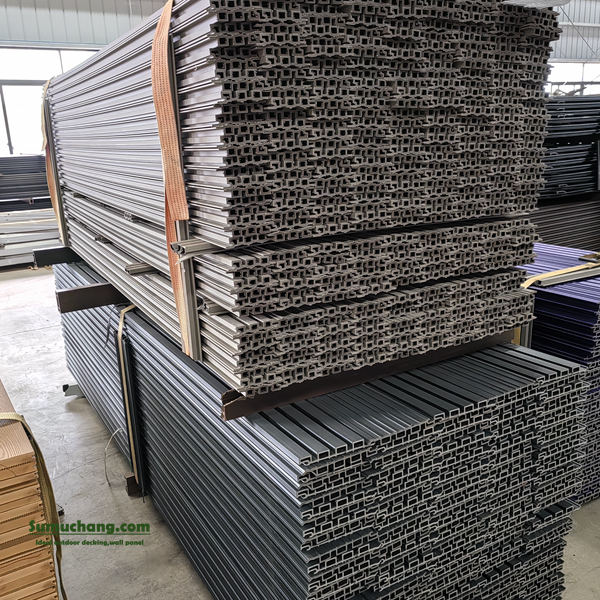
The cooling phase is equally important, as it solidifies the extruded material. A cooling calibration system typically uses water or air to facilitate rapid cooling, ensuring that the product maintains its shape and structural integrity. Failure to cool the product adequately can lead to warping or dimensional inconsistencies, which can compromise the functionality of the WPC.
Surface Treatment and Common Production Problems
After cooling, surface treatment may be applied to enhance the aesthetic qualities of the WPC. This can include embossing or adding colourants and protective coatings to improve UV resistance and longevity. Surface treatments not only enhance the visual appeal of the product but also contribute to its overall durability in outdoor settings.
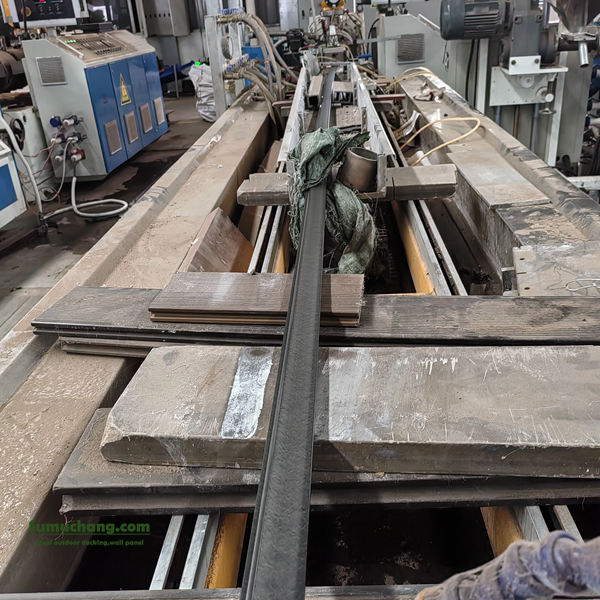
Throughout the production process, various common problems may arise. These include issues such as improper material mixing, which can lead to weak points in the structure or inconsistent colouration. Additionally, if the extrusion temperature is not adequately controlled, one might encounter challenges such as material degradation or poor flow characteristics, resulting in an unsatisfactory product. Regular maintenance of machinery and thorough quality control measures are essential to mitigate these issues and ensure a high-quality output.
Advancements in WPC Technology
Recent advancements in WPC technology continue to improve the extrusion process, with innovations in additive formulations and recycling methods. The industry is increasingly focusing on sustainability, aiming to reduce waste and promote environmentally friendly practices. Using recycled plastics and sustainably sourced wood fibres is becoming more prevalent, which not only meets consumer demand for greener products but also contributes to the overall reduction of the carbon footprint associated with manufacturing processes.