 한국어
 English
 Español
 Français
 Português
 Deutsch
 Italiano
 Русский
 العربية
 简体中文
 香港中文
 日本語
 Türkçe
 Nederlands
 Bahasa Indonesia
Preparing the Subframe for Light Oak Composite Decking
Before embarking on the installation of light oak composite decking, proper preparation of the subframe is essential. Start by surveying the area where the decking will be laid, ensuring it is clean and free from debris. The subframe typically consists of treated timber or aluminium, which should be securely fixed to the ground or existing structure to provide stable support. It is advisable to create a slight slope for drainage purposes, helping to prevent water pooling on the surface. Use a spirit level to ensure the frame is level and aligned correctly.
Once the subframe is in place, it is crucial to incorporate adequate spacing between the joists. A standard distance of 400mm to 500mm between joists is recommended to provide sufficient support for the decking boards. This spacing helps to mitigate the risk of sagging or bending over time.
Fixing Methods for Composite Decking
Light oak composite decking boards can be fixed using various methods, but the most common approach involves using hidden fasteners. These fasteners are designed to secure the boards without visible screws, creating a sleek, unobtrusive appearance that enhances the natural aesthetic of the decking. To install, simply position the fastening clips along the edge of the boards and align them with the joists. Pre-drilling holes can be beneficial to avoid splitting the boards, ensuring a clean finish.

Alternatively, surface screws can be used, but care must be taken to select screws that match the decking colour and are designed for composite materials. When using surface screws, countersink the screws slightly to avoid any sharp edges and to allow for natural expansion and contraction.
Expansion Gaps and Cutting Techniques
Another critical aspect of installing light oak composite decking is accounting for expansion gaps. Composite materials can expand and contract with changes in temperature, so it is essential to leave gaps of approximately 5-10mm between the boards and any fixed structures, such as walls or railings. This accommodation allows for the natural movement of the decking without causing warping or buckling.
Maintenance Tips for Longevity
To keep light oak composite decking looking its best, regular maintenance is necessary. Although composite decking is designed to withstand the elements better than traditional wood, it can still attract dirt and debris. A simple wash with warm soapy water and a soft brush is usually sufficient for maintenance. Avoid using harsh chemicals or high-pressure washers, as these can damage the surface finish and compromise the decking’s longevity.

Additionally, applying a protective sealant every few years can help to maintain the colour and shine of the light oak finish. This sealant acts as a barrier against UV rays and environmental factors, extending the life of your decking significantly.
Enhancing Outdoor Spaces with Light Oak Composite Decking
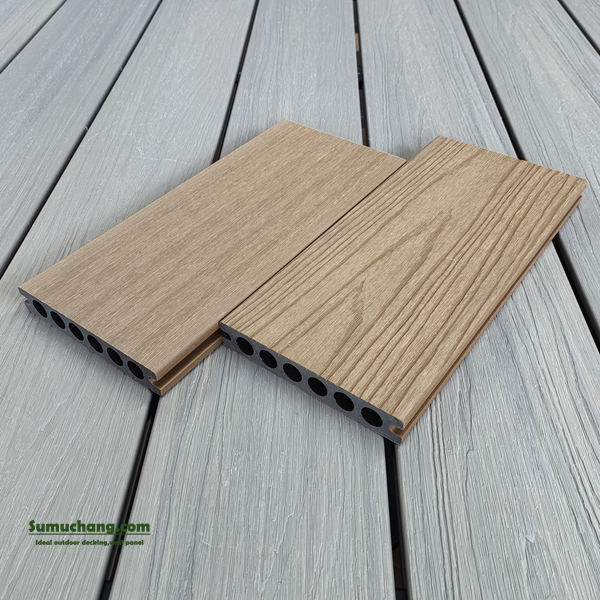
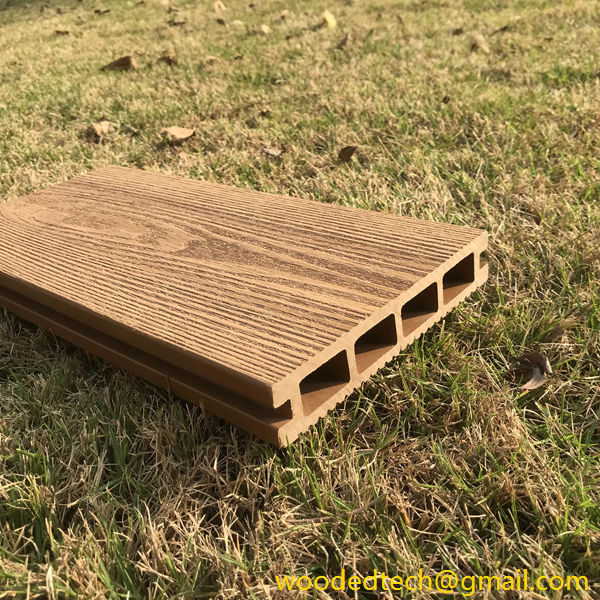
Light oak composite decking offers an aesthetic that closely resembles natural wood while providing enhanced durability and lower maintenance requirements. The warm tones of light oak create a welcoming and inviting atmosphere for any outdoor space, making it an ideal choice for patios, gardens, and balconies. Moreover, the versatility of composite materials also allows for creative designs, including unique patterns or arrangements that can further enhance the beauty of your outdoor area.
As an outdoor WPC installation technician, the installation of light oak composite decking not only transforms a space but also provides a long-lasting solution that remains beautiful over time. With proper preparation, careful installation, and ongoing maintenance, your decking will become a cherished part of your outdoor living experience.