 한국어
한국어  English
  Español
  Français
  Português
  Deutsch
  Italiano
  Русский
  العربية
  简体中文
简体中文  香港中文
香港中文  日本語
日本語  Türkçe
  Nederlands
  Bahasa Indonesia
 The Advantages of WPC Wall Panels for Exterior Applications
WPC (Wood Plastic Composite) wall panels have gained significant traction in the construction industry, particularly for exterior applications. Their unique blend of wood and plastic yields a material that combines the aesthetic appeal of traditional wood with the durability of synthetic materials. This combination makes WPC wall panels an attractive option for building exteriors, providing both style and substance. As a WPC extrusion mold design engineer, I can attest that the design intricacies of these wall panels significantly contribute to their overall performance, affecting strength, weight, cost, and ease of installation.
Profile Designs and Their Impact on Strength
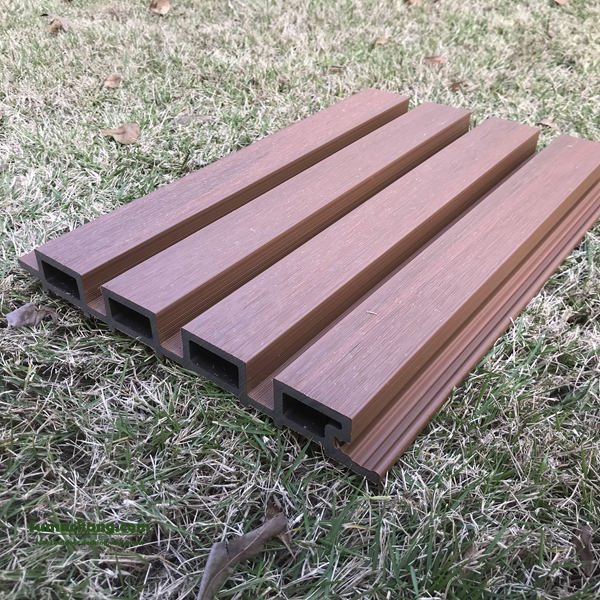
The strength of WPC wall panels is heavily influenced by their profile designs. A well-considered profile can enhance the structural integrity of the panels, allowing them to withstand various environmental stresses such as wind, rain, and temperature fluctuations. For instance, hollow structures are often employed to reduce the weight of the panels without compromising strength. By strategically designing the hollow sections, we can ensure that the panels maintain their rigidity and resistance while being lightweight, which in turn simplifies the installation process.
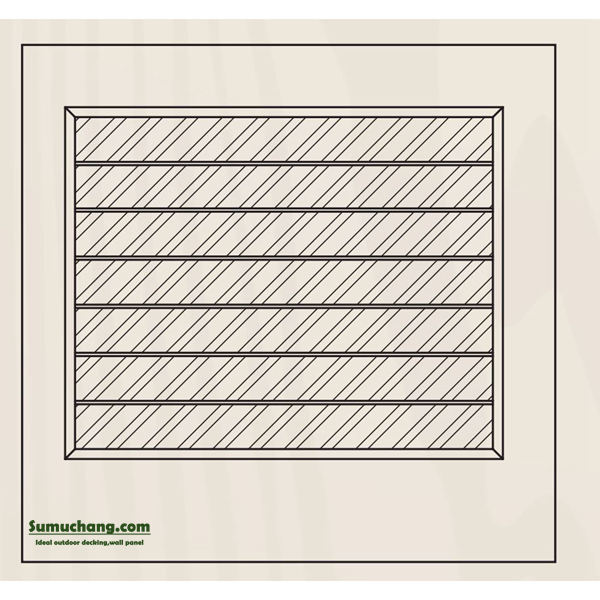
Solid structures, on the other hand, offer remarkable durability and are ideal for areas that may experience higher impact, such as lower wall segments. These designs can absorb shock and resist damage, making them suitable for buildings in high-traffic areas. The choice between hollow and solid structures often comes down to the specific requirements of the project, balancing factors such as cost and functional performance.
Rib Designs for Enhanced Performance
Rib designs play a pivotal role in boosting the overall performance of WPC wall panels. By incorporating ribs into the panel structure, we can further enhance strength without adding excessive weight. This design feature not only improves load-bearing capacity but also aids in resisting deformation from external pressures. The strategic placement of ribs can be tailored to the specific needs of the application, whether for aesthetic purposes or for added structural support.
Additionally, these ribs can create channels that facilitate drainage, which is particularly important for exterior applications. Proper drainage is essential to prevent moisture accumulation, which can compromise the integrity of the panels over time. By integrating effective rib designs, we can enhance both the performance and longevity of WPC wall panels, ensuring they remain a reliable choice for exterior building applications.
Surface Patterns and Aesthetic Appeal
The surface patterns of WPC wall panels are not merely a matter of aesthetics; they also contribute to the functionality of the panels. Various surface textures can be applied during the extrusion process, allowing for a range of finishes from smooth to textured, providing an appealing look that can mimic natural wood. This versatility in design makes WPC wall panels suitable for various architectural styles, enhancing the overall visual presentation of a building.
Furthermore, specific surface patterns can promote slip resistance, which is particularly valuable for exterior applications where wet conditions may arise. By carefully selecting the right surface pattern, we can significantly improve safety while maintaining the desired aesthetic. Ultimately, the choice of surface patterns can elevate the performance of WPC wall panels, offering not just beauty but practicality as well.
Cost-Effectiveness and Installation Efficiency
From a cost perspective, WPC wall panels present a financially viable option for construction projects. The manufacturing process allows for efficient production, which can lead to lower costs without sacrificing quality. Furthermore, the lightweight nature of WPC panels can result in reduced shipping costs and simplified handling on-site. Additionally, the ease of installation associated with WPC wall panels contributes to overall labour savings during construction.
As a WPC extrusion mold design engineer, I can affirm that the design of the panels can significantly affect installation efficiency. Modular designs, interlocking features, and pre-fabricated elements can aid in streamlining the assembly process, making it quicker and more efficient. This can be crucial in time-sensitive projects where rapid construction is essential.
Environmental Considerations and Sustainability
With the growing emphasis on sustainable building practices, WPC wall panels present an eco-friendly alternative to traditional materials. They are typically made from recycled materials, contributing to waste reduction. Moreover, WPC products are designed to be durable and low-maintenance, which can lead to a reduced need for replacements and repairs over time, further lessening their environmental impact.
As a sustainable building materials specialist, I find that employing WPC wall panels not only meets construction needs but also aligns with broader environmental goals. The longevity and resilience of these materials ensure that they will perform well over time, promoting a sustainable approach to exterior building applications.